
15th Annual Joint Consultative Meeting between the PSC and EU PSC
Date | 21 November 2024
Tomorrow (22 November), the African Union (AU) Peace and Security Council (PSC) and the European Union Political and Security Committee (EU PSC) will convene their 15th joint annual consultative meeting in Addis Ababa.
The informal joint retreat the two organs customarily convene ahead of their joint annual consultative meeting with the aim of facilitating constructive dialogue through informal engagements, was held earlier this year in March 2024 at the request of the EU PSC. In the joint informal retreat, the AUPSC and the EUPSC exchanged views on conflict prevention, mediation and post-conflict strategies and financing of Peace Support Operations (PSOs). The AUPSC and EU PSC also used the informal retreat to deliberate on their working methods.
Ahead of the consultative meeting, the representatives of the AU and the EU are set to hold a meeting at the level of directors on 21 November. On that same day, at the level of the PSC, the Committee of Experts of the PSC is scheduled to hold a final preparatory meeting.
It is envisaged that the meeting commences with welcoming remarks by the co-chairs, Jean Leon Ngandu Ilunga, Permanent Representative of Democratic Republic of Congo (DRC) to the AU and Chairperson of the PSC for the month of November and Delphine Pronk, Permanent Chair of the EU Political and Security Committee.
Considering that this meeting comes at the heels of two consecutive joint annual consultative meetings without a jointly issued communiqué, as a result of divergence particularly as it related to disagreements concerning responses to the Russia – Ukraine war, it is expected that this meeting will focus on thematic and continental security related agenda items of common interest and pathways for enhanced cooperation.
Despite some divergences, the broader scope of the AU – EU relationship suggests a commitment to regional stability and security areas where both organs’ interests intersect. Shifting the conversation to mutual areas of interest could allow both sides to sidestep their differences while advancing shared peace and security priorities on files of common interest. The agenda items for this year’s meeting show that they will focus on regional and country-specific situations of concern for both organs. These are: the situations in Somalia and the implementation of the UNSC Resolution 2719 (2023), Sudan, Sahel and Lake Chad Basin and Great Lakes Region.
Somalia
As it has become a common practice of the PSC, it is anticipated that different PSC member states take the lead in making interventions on the different agenda items on behalf of the PSC. On Somalia, it is anticipated that Uganda along with Egypt will take lead in making the intervention from the side of the PSC. On the part of the EUPSC, France along with Italy is envisaged to take the lead.
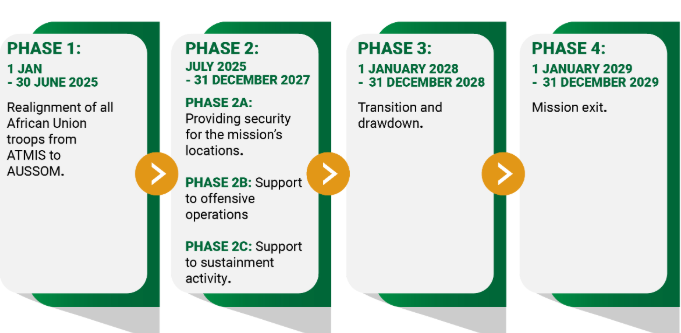
With respect to Somalia, the issue that is expected to attract the most attention is the transition from the African Union Transitional Mission in Somalia (ATMIS) to AU Support and Stabilisation Mission in Somalia (AUSSOM). This transition comes amidst rising piracy incidents along Somlaia’s coast, driven in part by shifting shipping routes due to Red Sea security concerns linked to the Middle East crisis.
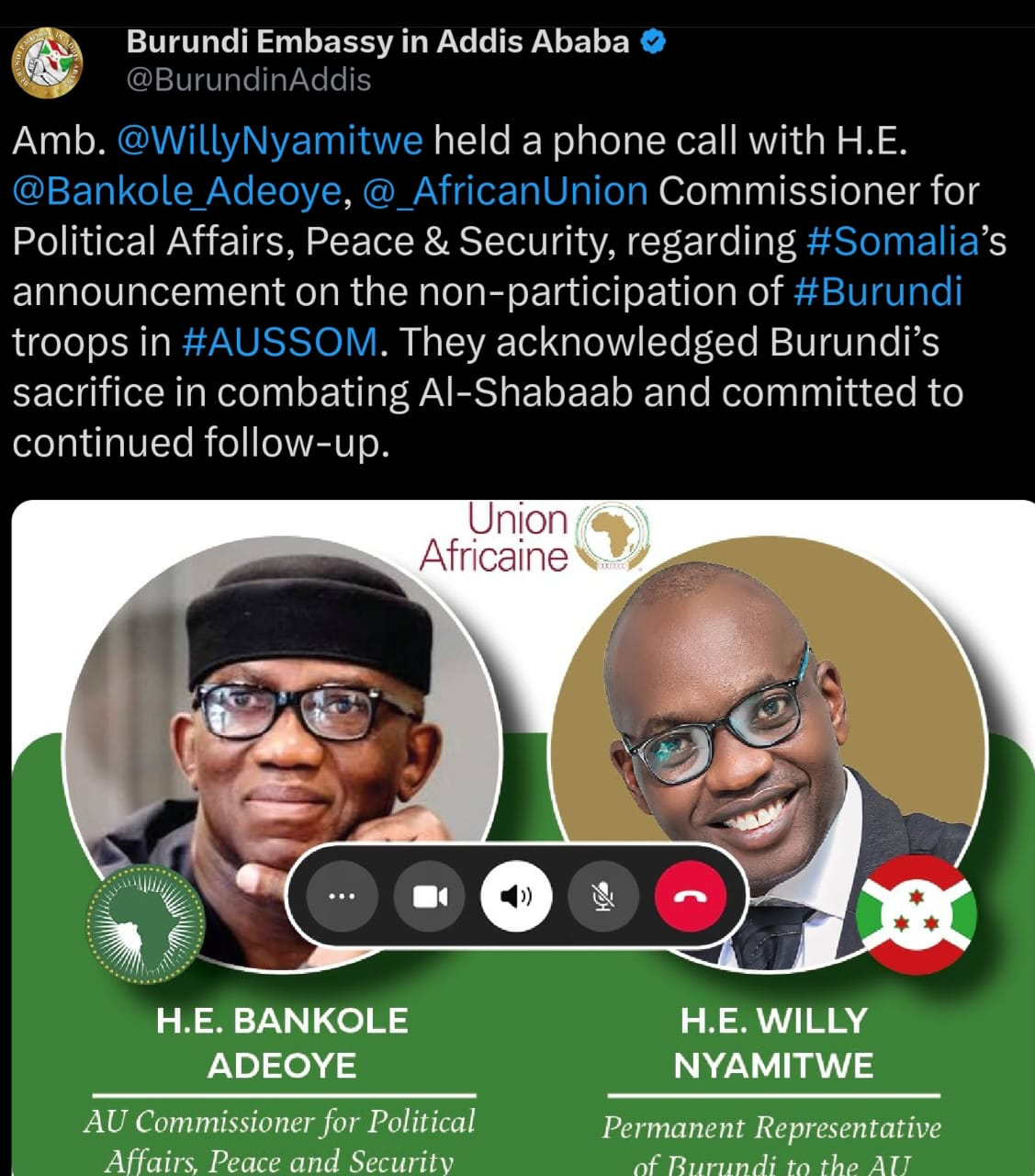
There are two issues that are sure to dominate the meeting. The first relates to the lack of clarity and disagreement surrounding troop-contributing countries in the context of the transition from ATMIS to AUSSOM. Following the between Ethiopia and Somalia that were sparked by the signing of a MoU between Ethiopia and Somaliland, Somalia responded by insisting that it opposes the participation of Ethiopia, which is a major troop contributor to ATMIS, in the AUSSOM unless Ethiopia retracts the MoU. The post-ATMIS process has turned into a major regional flashpoint following the express reference welcoming Egypt’s offer to contribute to AUSSOM in the communique of the 1225th session of the PSC. This provoked an expression of alarm by Ethiopia about the risk of the situation endangering regional peace and security. There is a shared interest between the AU and the EU, given the considerable investment the EU put into supporting the AU mission in Somalia and its interest in preventing the unravelling of the situation in Somalia and the region, to urge that the countries refrain from taking measures or making pronouncements that escalate tension. They may also reiterate the AU PSC communique of its 1238 session that directed ‘the African Union Commission to undertake consultation with AU Member States that have expressed readiness to contribute troops to AUSSOM’ and requested the Chairperson of the AU Commission ‘to use all available preventive diplomacy tools to urgently find an amicable/peaceful solution to the differences between the Federal Republic of Somalia and the Federal Democratic Republic of Ethiopia based on the respect for the sovereignty, unity and territorial integrity of the Federal Republic of Somalia.’
The second issue concerns the financing of AUSSOM. On the part of the AU, the preferred source of funding is UNSC Resolution 2719 as stated in the various PSC communiqués. The EU, which has been the major source of funding for AU mission in Somalia, also supports this position. It has indicated that it does not anticipate to contribute more than Euro 60 million. Yet, considering that there is no consensus in the UN Security Council on the use of Resolution 2719, one of the issues in tomorrow’s meeting is whether the EU would be amenable for considering to provide a substantial portion of the funding for AUSSOM as a measure for bridging between the time of the deployment of AUSSOM and the activation of Resolution 2719 as seems to be proposed by the US.
Sudan
Sudan is another critical agenda item expected in the consultative meeting. It is anticipated that Egypt along with Uganda and Morocco would take the lead in making interventions on the side of the PSC. From the side of the EUPSC, Ireland and Cyprus are expected to take the lead.
The hostilities between the SAF and RSF have escalated into a humanitarian emergency with widespread reports of indiscriminate attacks on civilians, SGBV and violations against children, famine, displacement and violations of international humanitarian law. The conflict has resulted in a large scale crisis in the region with recent reports indicating that nearly 25 million people are in dire need of humanitarian assistance and over 14 million people forcedly displaced internally and into neighbouring states. High Representative Josep Borrell recently described the situation as one that is ‘becoming desperate’.
The AUPSC and EUPSC are expected to express deep concerns over worsening conditions, condemning attacks on civilians, including recent mass killings and rapes in Sudan’s El-Jazirah state. The two bodies are likely to emphasise based on respective existing pronouncements the urgent need for an immediate and unconditional ceasefire to halt the violence and ensure the protection of civilians while reiterating that a civilian-led government remains the only sustainable solution to the crisis. They are also expected to underline the importance of accountability for those responsible for atrocities. Additionally, the councils are anticipated to highlight the necessity of a coordinated international response to address the massive humanitarian needs. And stress the urgency of providing immediate humanitarian aid while supporting Sudan’s path toward long-term peace and stability.
Sahel and Lake Chad
Nigeria along with Morocco and Cameroon is expected to take the lead in making interventions on the side of the AU on the situation in the Sahel. It would be Hungary along with Luxembourg that would take the lead on the side of the EUPSC.
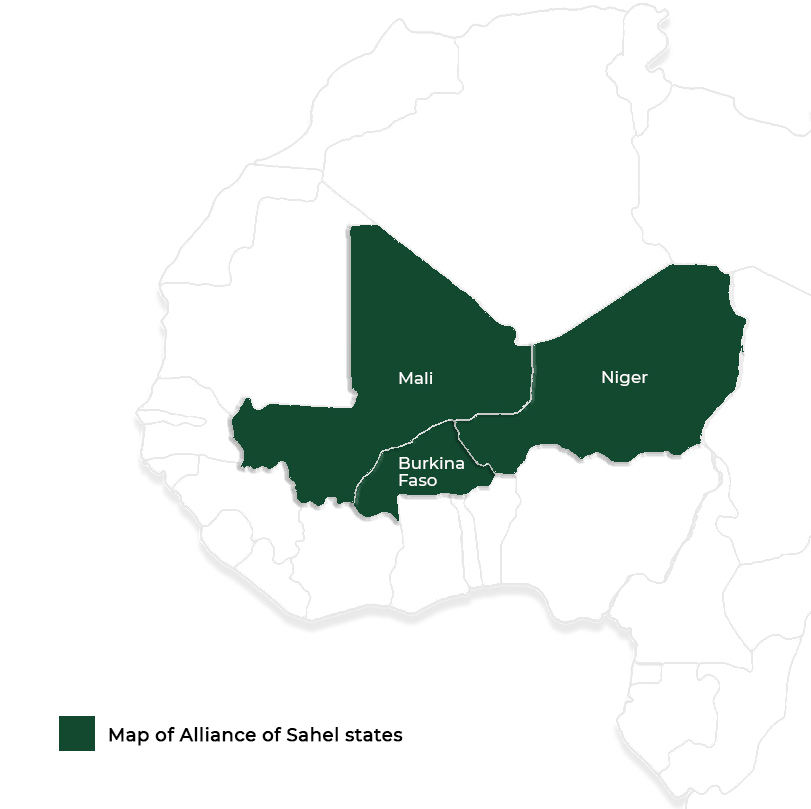
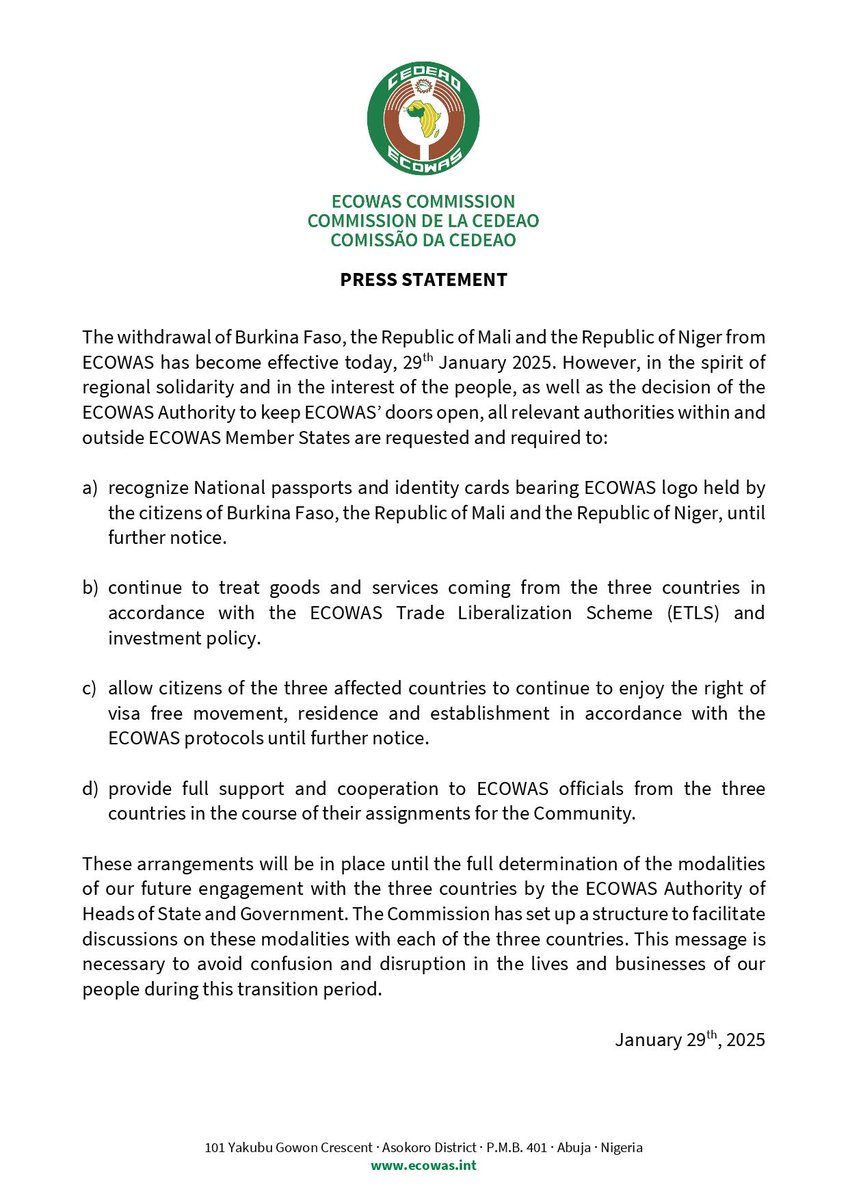
The Sahel’s complex security, governance and humanitarian crisis has long been a focal point for AU and EU security agendas. Since the last AUPSC – EUPSC session, the military governments of Mali, Burkina Faso and Niger have announced their withdrawal from the Economic Community of West African States (ECOWAS) and the formation of the Alliance of Sahel States (ASS) this setback in regional integration and security was further compounded by the dissolution of the G5 Sahel initiative and the withdrawal- upon the request of the host- of the UN’s 10-year mission in Mali, MINUSMA.
In light of these developments, it is expected that the two sides will express concern over the worrying security situation in the region and the attendant deteriorating humanitarian situation. They may echo existing pronouncements on the need for countries in political transition in the Sahel to adhere to the transitional timelines. They may also express the need for coordinating engagements in responding to the situation in the region and express support for the role of ECOWAS and the AU in advancing stability and the resolution of the constitutional crisis in the three Sahelian countries of Burkina Faso, Mali and Niger. The need for maintaining lines of communication and engaging the authorities in these countries may also underscored. Emphasis is also expected to be made on the need for enhancing support for people affected by the humanitarian situation in the region.
On Lake Chad, Cameroon along with Nigeria is expected to take the lead in making intervention on the side of the PSC. In Lake Chad, despite gains by the Multinational Joint Task Force (MNJTF) against Boko Haram and the splinter groups Islamic State’s West Africa Province (ISWAP) and Jama’tu Ahlis Sunna Lidda’awati wal-Jihad (JAS) factions, the security and humanitarian situations remain critical, with millions of civilians in urgent need of assistance. The AU PSC and EU PSC are expected to recognise the importance of a cohesive multidimensional regional approach to address the security and humanitarian crisis in the region. Cognizant of the threats the region faces from terrorism and violent extremism, coups and unconstitutional changes of government, it is also expected that the two organs will emphasise the need for enhancing security, civilian protection and humanitarian relief.
Great Lakes Region
On Great Lakes, Angola is expected to take the lead in making interventions on the side of the AUPSC while Belgium along with Romania will take lead on the side of the EUPSC. The discussion on the Great Lakes Region is expected to focus on the situation in Eastern DRC. The two organs will likely focus on terrorism, proliferation of armed groups, illegal exploitation of natural resources and the progress with the Luanda process. The EU’s renewed strategy for the GLR may also feature.
Since the last consultations between the two organs, the Luanda process has revived with the 30 July 2024 signing of a ceasefire between the DRC and Rwanda. However, the security situation in eastern DRC has remained volatile with armed groups continuing to perpetrate atrocities. It is thus expected that the AUPSC and EU PSC may express deep concern over the insecurity prevailing in Eastern DRC and the deteriorating humanitarian situation. They may condemn the various armed groups engaged in acts of violence in the region and the support that is extended to these armed groups wreaking havoc in the region. They may also commend the Luanda process and the progress achieved thus far in the talks under the auspicious of the Luanda process. In this respect, they may welcome the ceasefire agreement negotiated between DRC and Rwanda on 30 July 2024 within the framework of the Luanda process. They may also urge both DRC and Rwanda to maintain their commitment to and engage constructively in the Luanda process for achieving a conclusive peace agreement.
The agenda also allocates a slot for AOB. Beyond the foregoing issues that are on the agenda of the PSC, it is anticipated that representatives of the EUPSC would raise from the floor the war in Ukraine. This is a pressing issue of existential proportion particularly for members of the EUPSC from Eastern Europe. In their intervention, it is expected that EU representatives may underscore their expectation that the annual consultative meeting should not be focusing on African peace and security issues only and need to reflect on peace and security issues of concern in Europe as well with a focus in particular on Ukraine. They may emphasise that the blatant breach of the fundamental UN Charter and international law principles of state sovereignty and inviolability of the territorial integrity of states are matters of concern for all members of the international community and should be condemned.
Yet, while members of the PSC may empathise with the concerns of the EUPSC, there has been no change in their position from the last two years. Most notably, While AU member states may share the view that the invasion of one country by another and the breach of the sovereignty of one country by another is contrary to the UN Charter and international law and don’t support the invasion of Ukraine by Russia, they lack a common AU position to enable the PSC on adopting any measure against this particular breach of international law. In view of this, if EU member states insist on the inclusion of reference as a condition for the adoption of a joint communique, it is possible that the two sides may end up repeating the last two consultative meetings, thereby ending their meetings without adopting a joint communiqué.
However, aside from the issue of Ukraine, the two Councils share common interests and perspectives on most of the issues relating to the various agenda items of the consultative meeting. This may therefore be the moment for the two sides to decide on whether they should continue to be stuck on an issue in respect of which they face incompatibility arising from mandate gaps affecting the AU PSC and held themselves back from pronouncing themselves on all the issues on the agenda of the consultative meeting on which they do not have differences.
In the light of the dilemmas this poses and the strongly held policy position, the two sides are left with four options and scenarios. The first option is the repeat of the last two consecutive consultative meetings. This is the scenario of each clinging to its position and agree to disagree. This is in a way a well-known experience. The second option is they agree to adopt a joint communique with the EUPSC having the possibility of attaching as annexe their views on Ukraine. This is the scenario of tampered compromise which in some ways allows both sides to uphold their policy position with some adjustment. The third option is to adopt a joint communiqué in which there would be no reference to Ukraine and focusing exclusively on the agenda of the consultative meeting. The other and fourth scenario is the AU PSC relents on its existing position and agrees to a reference to Ukraine in the joint communiqué.
Will the AU and the EU peace and security organs once again fail to adopt joint communique of their annual consultative meeting?
Date | 20 November 2024
Fikir Getachew
Assistant Researcher, Amani Africa
Solomon Ayele Dersso, PhD
Founding Director, Amani Africa
On 22 November 2024, the African Union (AU) Peace and Security Council (PSC) and the European Union (EU) Peace and Security Committee (PSC) are scheduled to hold their 15th annual consultative meeting hosted by the AUPSC at the AU Headquarters. This annual joint consultative meeting is being held under a cloud of uncertainty. For the past two consecutive years, the two organs had failed to adopt a joint communiqué capturing the outcome of their deliberations in the consultative meeting held in Addis Ababa in June 2022 and in Brussels in May 2023. It is feared that when the two sides meet this Friday, they may end up in another deadlock on the adoption of a joint communiqué.
The dealbreaker both in 2022 and 2023 has been the inclusion of a language in the communiqué on the war in Ukraine. Russia’s invasion of Ukraine in February 2022 understandably triggered a strong reaction from the EU. For European countries and the EU, this war represents the first major war on European soil since World War II and is often characterised as being existential. EU and its member states thought that the longstanding partnership they have with the AU and its member states would enable them to secure support from the AU and its member states.
Indeed, the AU-EU partnership remains to be of significant value for the AU and is among the long-standing partnerships. For example, more than any other partnership, EU’s partnership is recognised as the most consequential, particularly in terms of peace and security. The EU receives and should receive a well-deserved recognition for its critical partnership in peace and security in Africa since the early 2000s. One can argue that the development and operationalisation of the African Peace and Security Architecture and the deployment and sustenance of the large number of AU peace support operations from Darfur Sudan to Somalia and in between would not have been financially possible without the EU support.
The expectation in the EU was accordingly that African countries would automatically align with the position of the EU. While representatives of many African countries appreciate EU’s position, particularly in terms of the fact that Russia’s invasion of Ukraine is a violation of fundamental principles of UN Charter and international law, they did not see their position vis-à-vis this war to be one of taking side with the EU. African countries, while against aggression of one country against another and hence a breach of fundamental principles of international law, did not see the war only through the lens of legality. As one observer of EU-AU relations also rightly pointed out, ‘for many African governments, the war in Ukraine is a result of great power contestation between the West and Russia, and they perceive a need for equidistance from these powers to hold space for the pursuit of African agency.’
There may be many AU member representatives who share the view that the breach of the sovereignty of one country by another is contrary to the UN Charter and international law. Yet, reluctant to be taking a position against Russia for this is not seen as a legal but a geopolitical issue. Admittedly, the reluctance of AU member states on joining the EU and others in taking a position against Russia is informed by various considerations. But one of the major factors is the belief on the part of many member states that this war is not just about legality but in the main constitutes a geopolitical war reminiscent of the Cold War. Since the Cold War was not actually cold when it played itself on the African continent but led to hot wars, there are many who are weary of being caught up in the crossfire of similar confrontations involving major powers.
EU countries and EU bodies expressed shock about the fact that African countries did not side with the EU. The sense of being let down was of such a nature on the part of some that they went as far as suggesting that they have to reconsider their partnership with the AU and their funding. A news report in July 2022 reported that ‘European diplomats have argued in a confidential report for a more ‘transactional’ approach to foreign aid that would tie funding for African countries to their willingness to work ‘based on common values and a joint vision’.
While there is increasing appreciation of the concerns of African countries, there is a continuing expectation on the part of the EU for having a language referencing the war in Ukraine. Further reinforcing this expectation at this material point in time is the current escalation of the war. As in the past two annual consultative meetings, the issue of Ukraine is not part of the formal agenda of the consultative meeting. Yet, as in the past, it is expected that the EU side would raise the matter from the floor.
As the two sides finalise their preparations for the meeting this coming Friday, there is no indication of a shift in the position of AU member states. AU member states still lack a common AU position to enable the PSC members adopt a policy position on the issue. From a process and policy-making perspective, the implication of this is that where there is no common AU position on a matter of global interest with major geopolitical implications such as this one, it would be very difficult for the PSC to take any position.
In view of the foregoing, a major issue is whether the AUPSC and EUPSC are going to have a repeat of what transpired during the past two consultative meetings and fail to adopt a communiqué or avoid a repeat of the same. Apart from causing frustration, the inability to adopt a communique can also strain the relationship between the two sides. It also signals that despite 12 years of convening annual consultative meetings the two don’t even have an understanding of what should and should not go into their joint consultative meeting.
Thus, whether the AUPSC and the EUPSC would have the same experience as the past two years and fail to adopt a joint communiqué depends on whether they are able to find avenues for mutual understanding of each other’s positions. This may be achieved if both sides show willingness to give each other an empathetic hearing. EU member states may show understanding of the political and institutional predicament AU member states face. On their part, the AU member states may reciprocally show their understanding and empathy for the gravity of EU’s concern regarding the war in Ukraine. They can agree to set aside an issue that the EU understandably consider to be of enormous importance and instead affirm their shared interest and common position on the various other agenda items of their consultative meeting.
Within the framework of the foregoing, consideration may be given to have the views of the EU PSC reflected as an annexe to the joint communiqué considering that it was not part of the agenda of the consultative meeting while the communiqué is confined to the agenda items agreed to for the joint consultative meeting. Additionally, they need to agree on terms of their working methods around the negotiation and adoption of a joint communique on issues not on the agenda of the joint consultative meeting.
The content of this article does not represent the views of Amani Africa and reflect only the personal views of the authors who contribute to ‘Ideas Indaba’

Prioritising Protection of Civilians in Peace and Security Diplomacy in Sudan: Challenges and Options
Date | 18 November 2024
WHY THIS SPECIAL RESEARCH REPORT?
The most profound and pressing policy issue for peace and security diplomacy in Sudan is how to advance the protection of civilians. While there is growing appreciation of the need for protection of civilians, there remain lack of policy clarity on how this can be achieved practically in a war where conditions are lacking for the use of conventional mechanisms for protection of civilians, such as notably the deployment of an international protection force. The purpose of this special research report, which draws on a series of meetings held with Sudanese civilians and experts in Kampala, New York and Addis Ababa during the past few months, is to provide analysis of various options for the protection of civilians in Sudan that can be pursued with urgency as the search for successful negotiation for a ceasefire and final political settlement continues.
High-level session on implementation of DDR and PCRD programmes for consolidation of peace, security and socio-economic activities: Challenges and way forward
Date | 17 November 2024
Tomorrow (18 November), the African Union (AU) Peace and Security Council (PSC) will convene its 1245th session in a high-level, open format to address the theme, ‘Implementation of Disarmament, Demobilisation, and Reintegration (DDR) and Post-Conflict Reconstruction and Development (PCRD) Programmes for Consolidation of Peace, Security and Socio-Economic Activities: Challenges and Way Forward.’ The high-level meeting will be held in Kinshasa, Democratic Republic of Congo (DRC) as part of the 20th anniversary of the PSC and the AU Commission’s annual PCRD awareness week, taking place from 18 to 24 November 2024.
The meeting is expected to commence with opening remarks by Thérèse Kayikwamba Wagner, Minister of State, Minister of Foreign Affairs, International Cooperation and Francophonie, and Chairperson of the PSC for November 2024. This will be followed by a statement from Bankole Adeoye, Commissioner for Political Affairs, Peace, and Security (PAPS). The agenda includes presentations from the AU Commission and the United Nations Peacebuilding Commission (UNPBC). Key partners involved in DDR and PCRD programs, including the European Union, World Bank, and African Development Bank (AfDB), are also expected to contribute. Côte d’Ivoire, Angola, and DRC are slated to share their experiences in implementing DDR and PCRD programs.
The session will include an update on the progress of PCRD initiatives and programs. It will serve as a platform to share best practices and lessons learned from past and ongoing initiatives, identify challenges, and explore strategies to address them. The last time PSC received a briefing on PCRD activities was during its 1188th session held in November 2023. Subsequently, the PSC considered the revised PCRD policy at its 1198th session on 31 January 2024 for its adoption and submission to the AU Assembly.
The first segment of the session is envisaged to focus on activities and initiatives with respect to the AU PCRD. It was during the 37th AU summit held in February 2024 that the AU Assembly adopted the revised PCRD policy. The updated PCRD Policy has nine pillars and is premised on the recognition of the interconnectedness of the different phases of peace/conflict from prevention to post-conflict. Bankole’s briefing is expected to focus on initiatives undertaken by the AU Commission over the past year in implementing PCRD programs in the continent. This may cover the convening of the AU High-Level Working Group on PCRD co-chaired by the Commissioner PAPS and the CEO of AUDA-NEPAD. In terms of funding of PCRD, reference is expected to be made to the assignment by the Peace Fund of specific allocation for PCRD activities. Apart from the recent trend in the outcome of PSC sessions of making regular reference to PCRD, the PSC also sought to integrate PCRD into peace support operations including in its decision on the mandate of the mission that will succeed the AU Transition Mission in Somalia.
Building on discussions from the 7th annual consultative meeting between the PSC and UNPBC on 15 October, a representative from the UNPBC may emphasise the importance of strengthening strategic collaboration between the two bodies. The engagement may highlight the need for a comprehensive joint action plan to facilitate cohesive and well-coordinated peacebuilding initiatives and underscore the opportunity presented by the upcoming 2025 Peacebuilding Architecture Review to enhance the operational frameworks governing their collaboration. Of interest for the PSC in respect to the 2025 Peacebuilding Architecture Review is the preparation of a common African position similar to the AU did for the previous edition of the Review.
The second segment of the session will zoom in specifically on DDR, which is part of one of the pillars of the PCRD Policy, namely Security Governance. Bankole may emphasise the Commission’s capacity-building efforts for the implementation of various PCRD programmes, including DDR processes in conflict and post-conflict settings, as well as financial support. Specifically, he may mention the use of the Peace Fund’s Crisis Reserve Facility (CRF) to assist Member States in their peace consolidation efforts, including DDR. A notable example in this respect is the allocation of one million USD from the CRF in March 2024 to support the DDR component of the Pretoria Peace Agreement in Ethiopia, making Ethiopia the first Member State to benefit from the revitalised Peace Fund.
Speakers from the EU, World Bank, and AfDB may also highlight various peacebuilding initiatives they supported in the continent. The World Bank, in particular, may reference the launch of the fourth phase of the AU DDR Implementation Framework, a collaboration between the AU, UN, and World Bank, which will be implemented from 2023 to 2025, focusing on operational support, the preventive role, and the politics of DDR.
Another key aspect of tomorrow’s session will be a critical reflection on the challenges and the way forward for implementing DDR in Africa, drawing on the continent’s wealth of experiences. Several countries, including Liberia, Sierra Leone, Côte d’Ivoire, DRC, South Sudan, CAR, and Mozambique, are among those that have undertaken DDR processes.
Africa’s evolving security landscape presents a major challenge for DDR and PCRD programs. Traditionally, DDR is implemented in a post-conflict phase following peace agreements and with cooperation among parties. However, today’s DDR programs face environments where these conditions are often absent. Conflicts have become increasingly fragmented, involving various non-state actors, criminal groups, and transnational elements that complicate comprehensive peace agreements. In the DRC, for instance, over 120 active armed groups, complex ethnic ties, and regional alliances create a unique challenge for DDR implementation. Moreover, terrorism has become a significant driver of insecurity, particularly in Central Sahel, and DDR does not take the same form in such context as in civil war types of conflicts. Countries in the Lake Chad Basin, such as Niger, Nigeria and Cameroon are called to apply DDR in relation to persons associated with Boko Haram and other armed groups in the region amid active conflict contexts.
Reintegration, though critical, remains the most challenging component of DDR. The reintegration phase requires substantial investment in skills training, job placement, and social reintegration support, yet these efforts are often insufficient or misaligned with economic realities. In the DRC, for example, a study indicates that only about half of demobilised individuals received adequate support, and delayed stipends further eroded trust. As a result, ex-combatants frequently relapse into violence. Experience from Cote d’Ivoire also shows the challenge in the reintegration process where the reintegration phase never fully materialised due to lack of adequate funding. As the UN Secretary-General in his 2022 report on DDR notes, reintegration efforts are often hampered by weak governance institutions and fragile economies, particularly in conflict-affected or protracted conflict zones. This is particularly relevant in Africa, where many conflicts have lasted for years, making it exceptionally challenging for individuals who have spent much of their lives in armed groups to reintegrate into civilian life.
Tensions can also arise between ex-combatants and host communities, particularly when economic benefits appear to reward former fighters, causing resentment. Combatants may feel motivated to stay armed if they derive income from illegal resources, as seen in cases where senior fighters have vested interests in conflict economies. Climate change is also recognised as a driver of recruitment into armed groups due to its impact on economic instability and livelihood insecurity. Limited political commitment is another major challenge to DDR programs considering that no successful DDR can be realised without political resolve and support from key centres of power for its success. This is further compounded by a lack of trust between governments and armed groups, which remains a persistent challenge, especially in regions with complex, multi-group dynamics such as Mali. These programs require extensive resources, yet securing reliable funding is often a struggle. In South Sudan, fund shortages, including the failure of the Revitalised Transitional Government of National Unity (RTGoNU) to allocate resources have hampered DDR efforts.
In light of these challenges, a shift in approach is essential. Contemporary conflict dynamics in Africa require non-linear and integrated responses. While DDR and PCRD interventions were traditionally sequenced and implemented in post-conflict settings, ongoing instability now demands that these processes be flexible enough to address conflict at all stages. DDR is no longer limited to post-conflict scenarios; it can be implemented during conflict escalation, in active conflicts, and as a conflict prevention strategy. Expectations for DDR should be carefully managed, as it is not a panacea for society’s political challenges. Indeed, as highlighted by the AU’s DDR Capacity Program, DDR initiative’s success depends on being anchored on and pursued as part of other security, socio-economic, and political reforms. As such, DDR should be seen as one component of a wider peacebuilding framework, all aligned within a comprehensive recovery strategy.
As conflicts become increasingly localised and violence escalates, particularly by non-state actors, Community Violence Reduction (CVR) strategies—gaining traction within UN policy circles—should be explored and leveraged into DDR efforts.
It is also of interest for tomorrow’s session to pay special attention to vulnerable groups, including women, children, and youth in DDR processes. Youth, particularly those aged 15-24, make up a significant portion of former combatants, but reintegration efforts often fall short of addressing their specific needs. Children associated with armed groups require tailored support, including education and mental health resources, while women, affected by gender-based violence and social stigmatisation, need various support including gender-sensitive psychosocial interventions, in line with the revised PCRD policy which includes a dedicated pillar to these segments of society.
The expected outcome of the session is a communiqué. The PSC may welcome the adoption of the revised PCRD policy by the AU Assembly and the official launch of the AU PCRD Centre in October 2024. It may underscore the need for enhancing the uptake on the part of member states and other stakeholders of the revised Policy for it to inform peace and security policy-making and PCRD interventions at continental, regional and national levels. The PSC may request the AU Commission to facilitate consultation for the development of the Common Position on the 2025 UN Peacebuilding Architecture Review and submit the draft for adoption by the PSC before the end of the first quarter of 2025. It may call for a shift in the approach to implementing DDR and PCRD programs, underpinning a non-linear and integrated framework. Specifically, the PSC could stress that DDR initiatives should be part of broader economic, political, and social reforms, highlighting that successful DDR requires coordination with complementary PCRD efforts such as SSR, arms collection, transitional justice, and reconciliation initiatives. Recognising the importance of adequate and predictable funding, the PSC may also underscore the need for a dedicated allocation from the AU Peace Fund to support these initiatives. The PSC may underscore the need to sustain the emerging practice to mainstream PCRD and DDR programs in all relevant country and thematic agendas of the PSC. The PSC may also emphasise the AU’s role in generating and sharing knowledge on the experience of African countries in designing and implementing DDR processes for identifying best practices and integrating lessons learned in future initiatives. The PSC may decide to convene annually the Kinshasa high-level meeting on the implementation of PCRD initiatives for reviewing and documenting experiences and lessons learned as part of the PCRD week.
Emergency Session on the Post-election violence in Mozambique
Emergency Session on the Post-election violence in Mozambique *
Date | 12 November 2024
Tomorrow (13 November), the African Union (AU) Peace and Security Council (PSC) will convene its 1245th session to consider the Post-Election Situation in Mozambique, as an emergency session prompted by the post-election violence in Mozambique.
Following the opening remarks from Jean Léon Ngandu Ilunga, Permanent Representative of the Democratic Republic of Congo (DRC) to the African Union (AU) and Chairperson of the Peace and Security Council (PSC) of the AU for November 2024, Bankole Adeoye, AU Commissioner for Political Affairs, Peace and Security Department will brief the Council based on AU election observation mission. The session is also expected to receive statements from Tanzania – as the Southern African Development Community (SADC) Chair of the Organ on Politics, Defence and Security Affairs and a representative of SADC. The Republic of Mozambique, as the country concerned, is also expected to deliver a statement.
This session is convened in response to the escalating post-election violence currently unfolding in the country. On 9 October 2024, Mozambique held its general elections to elect the president, 250 members of the Assembly and members of the 10 provincial assemblies. The election pitted the ruling Frente de Libertação de Moçambique (FRELIMO), which dominated the political landscape of the country for 47 years, against the historically main opposition (Mozambican National Resistance) RENAMO and the new party the Optimistic Party for the Development of Mozambique (PODEMOS), formed around dissenting FRELIMO members and support the presidential candidacy of Venâncio Mondlane, who broke away from RENAMO. PODEMOS has managed not only to change the historical domination of the two parties that fought in Mozambique’s 16-year civil war, the ruling FRELIMO and the opposition RENAMO, but also to rally significant support from the public, particularly the youth.
Following the election, there have been reports of a lack of transparency in the tabulation and counting of election results. Election observers reported incidents of ballot box stuffing, intimidation, and questionable vote counting. Mondlane claimed that he won the election based on reports of party agents and exit polls. As he and PODEMOS were planning to challenge the elections, on 19 October , Elvino Dias, Mondlane’s legal advisor, and Paulo Guambe, a spokesman for PODEMOS, were shot dead in Maputo. This was a major incident that made an already tense environment explosive, triggering protests. Pursuing a legal avenue, Mondlane filed an appeal with the Constitutional Council to challenge the results on 21 October 2024, claiming his party received 53% of the votes. That same day, police violently dispersed a press conference and protests led by Mondlane near the site of the killings. Subsequently, Mondlane himself fled the country due to safety concerns.
On 24 October 2024, Mozambique’s National Electoral Commission (CNE) announced that the ruling FRELIMO party, with its leader, Daniel Chapo, had won the presidential election, securing a 70.67% majority. On 25 October, the European Union Election Observation Mission (EU EOM) to Mozambique issued a Press Statement stating that ‘the results announcement by the CNE has not dispelled the EU EOM’s concerns regarding the transparency of the counting and tabulation process.’ In the face of various allegations of irregularities and the killings that took place, CNE’s announcement of the results became another flashpoint. This situation precipitated weeks of widespread protests in the capital, Maputo, and other cities. Mozambican authorities imposed restrictions on internet access and blocked social media sites in an apparent attempt to curb the spread of information and organise protests.
The security forces responded to the protests with deadly force. According to medical groups, at least ten people were killed as of 29 October as a result of the excessive use of force by security forces against protestors. The confrontation between protestors and security forces has persisted into the following weeks. The latest round of protests took place on 7 November. According to Reuters, ‘the fatalities (reported in the latest round of protests on 8 November) add to at least 18 people killed in earlier protests since the 9 October poll, which the opposition claims was rigged. Some groups have given a higher toll, with Mozambique’s Centre for Democracy and Human Rights reporting 34 deaths overall.’
The post-election violence in Mozambique has triggered concerns of regional ramifications. As a result, South Africa has closed its main border with the country due to safety concerns. Zimbabwe has also reportedly closed its borders. The AU Commission Chairperson issued a statement on 21 October condemning the killing of Mr Dias and Mr Gambe and calling on the Mozambican authorities to undertake the necessary investigation and bring perpetrators to justice. Noting that he continues to closely monitor the aftermath of the conduct of the elections, the Chairperson expressed ‘deep concern of the reported cases of post-election violence and in particular the recent killings.’
It is to be recalled that the PSC undertook a field mission to the country from 28 – 31 July 2024. The mission’s general objective was to gather first-hand information on the prevailing political, security, economic and humanitarian situation in the country. Although much attention was paid to the security situation in Cabo Delgado province, the PSC Delegation was also given an update, by the Deputy Minister of Foreign Affairs, on the preparations for the general elections. From the Field Mission Report adopted by the PSC, no indication of risks of electoral challenges was recorded. The PSC availed its support with ‘the technical assistance of the AU towards the successful organisation of general elections in October, including through the deployment of an AU Election Observer Team.’
For members of the PSC, one of the key issues is how to contain the persisting post-election crisis and violence in the country. In this respect, the PSC may give consideration to deploying preventive diplomacy to Mozambique to engage the various stakeholders towards finding ways of addressing the contestation over the validity of the outcome of the 9 October elections. The various incidents of violence including the use of deadly force by security forces are also of concern for the PSC.
The expected outcome of the session is a communiqué. The PSC may express concern over the post-election violence in Mozambique and urge security forces to exercise utmost restraint while calling disaffected members of the public to exercise their rights peacefully including through pursuing appropriate legal channels without risking the situation escalating further. The PSC may also reiterate the AU Commission Chairperson’s call for an independent investigation into the killings that took place on 19 October and the many fatalities reported since then. The PSC may also ask the AU Commission Chairperson, working closely with SADC, to deploy a robust preventive diplomacy mission to Mozambique. It may also call on the Mozambiquan authorities, concerned opposition parties and members of the public to extend full cooperation to the efforts of the AU and SADC to find a peaceful resolution to the post-election crisis and violence.
*Post Script: The plan for the session did no longer hold and the session did not proceed.
Briefing on the situation in Libya
Date | 11 November 2024
Tomorrow (12 November), the African Union (AU) Peace and Security Council (PSC) is set to convene for its 1244th session to discuss the situation in Libya.
Following opening remarks from Jean Léon Ngandu Ilunga, Permanent Representative of the Democratic Republic of Congo (DRC) to the AU and chairperson of the PSC for the month of November, Bankole Adeoye, Commissioner for Political Affairs, Peace and Security Department, is expected to make a statement. It is also expected that Wahida Ayari Yari, the Special Representative of the AU Commission Chairperson to Libya briefs the PSC, and a representative of the United Nations Office to the African Union (UNOAU) makes a statement. The representative of the Chairperson of the AU High-Level Committee on Libya and a representative of Libya, as the country concerned, are also expected to make statements.
Tomorrow’s session is the first since the last substantive PSC session. That last session in April 2023 was the 1150th session titled, ‘Towards National Reconciliation in Libya’. In its communiqué from that meeting, the AUPSC commended ongoing efforts to convene a national reconciliation conference as a step toward restoring stability in Libya. The council also reiterated its decision to conduct a field mission to Libya to demonstrate the AU’s solidarity with the Libyan people and to gather direct insights into the situation, aiming to support more informed decisions on the way forward. This session also comes against the background of the recent visit by the AU under the leadership of the Mauritanian President, the AU Chairperson for 2024, along with the AU Commission Chairperson and the Representative of the Chairperson of the AU Ad Hoc Committee on Libya.
Tomorrow’s session can therefore serve two objectives. The first of these objectives is to take stock of developments in Libya since the last PSC session. The second objective is to receive an update from the AU on the role of the continental body, on why the convening of the reconciliation conference scheduled to take place in April 2024 could not be held, and on the nature and outcome of the recent mission of the AU to Libya.
Libya’s political deadlock persists, with rival governments in Tripoli and Tobruk unable to make any progress toward resolving their differences. At the heart of the crisis is the delayed organisation of national elections, initially scheduled for 2021 but now indefinitely postponed. The UN has taken the lead in facilitating talks to help Libyan political stakeholders agree on a roadmap for elections. However, continued intransigence among these stakeholders has hampered the UN’s efforts. Former UN Secretary-General’s Special Representative to Libya, Abdoulaye Bathily, who was leading these talks, left his position in April, deeply frustrated by what he described as the stakeholders’ ‘stubborn resistance, unreasonable expectations, and indifference to the interests of the Libyan people.’ Complicating the situation further is the rivalry among external actors seeking influence in Libya, which, according to Bathily, has made finding a resolution ‘ever elusive.’
Six months after Bathily’s resignation, the UN has yet to appoint a successor. Currently, Stephanie Koury of the United States serves as the Acting Head of the United Nations Support Mission in Libya. Koury has expressed her intention to revive talks between Libyan stakeholders, though the prospects for substantial progress in overcoming the political deadlock remain bleak.
Tensions escalated in Libya in August when the Tripoli-based government dismissed the Governor of the Central Bank of Libya, one of the few institutions serving both rival governments. The Governor’s relationship with Tripoli had recently deteriorated, leading to his removal—a decision contested by authorities in eastern Libya. This sparked a major crisis, resulting in the closure of key oil fields and terminals and a sharp decline in oil exports, the cornerstone of Libya’s economy. In response, the UN facilitated multiple rounds of negotiations with Libyan political stakeholders, eventually achieving a compromise on appointing new Central Bank leadership.
The other issue that is expected to feature during tomorrow’s session is the role of the AU. The AU has not taken a lead role in resolving the Libyan political crisis but remains a member of the Quartet, which includes the UN, the AU, the League of Arab States, and the EU. The AUPSC has repeatedly emphasised the importance of improved coordination, harmonisation, and complementarity among these partners to prevent overlapping efforts and competing initiatives in support of Libyan peace.
The AU High-Level Committee on Libya, chaired by the Republic of Congo’s President, Denis Sassou Nguesso, is responsible for the AU’s role in the Libyan issue. This committee contributes to the UN-led process by prioritising peace and reconciliation efforts, which are seen as crucial steps toward organising national elections and concluding Libya’s prolonged transitional period. On 5 February, the AU High-Level Committee on Libya held a high-level meeting in Brazzaville to prepare for the national reconciliation conference. The meeting urged the swift advancement of peace and reconciliation efforts in Libya and encouraged all Libyan parties to engage inclusively and constructively. Emphasising transitional justice, the committee highlighted the importance of traditional conflict resolution practices to foster national unity, healing, consensus, and social cohesion. The meeting requested the AU Commission to continue supporting Libyans to ensure the successful conduct of this process in a timely and effective manner. Furthermore, it underscored the need to expedite the relocation of the AU Liaison Office for Libya from Tunis to Tripoli, as directed by the AU Assembly at its 35th Ordinary Session.
Libyan political stakeholders had initially agreed to hold the national reconciliation conference on 28 April in Sirte, Libya. However, persistent divisions among them led to its indefinite postponement. Last month, the current AU Chair, Mohamed Ould Cheikh Ghazouani of Mauritania, accompanied by AU Commission Chairperson Moussa Faki Mahamat and the Foreign Minister of the Republic of Congo, representing the AU High-Level Committee on Libya, visited Tripoli to revive discussions around convening the conference. The AU delegation indicated plans to visit eastern Libya in the coming weeks for further talks, though no specific date was provided.
The expected outcome of the session is a communiqué. The PSC may express concern over the lack of progress in the effort to achieve consensus on the issues dividing Libyan political and social forces including notably the electoral process and the establishment of a unified interim government. It may express concern that the prevailing status quo in Libya is unsustainable and keeps the country in political limbo and uncertainty, which perpetuates the division, instability and sporadic incidents of violence and conflicts. The PSC may urge the various Libyan stakeholders to summon the leadership and compromise required to end the prevailing political stalemate and instability in the country, which is undermining development and security in the country. It may welcome the agreement reached between the rival administrations in Libya to resolve the disagreement over the leadership of the Central Bank of Libya and call on the rival parties to show the same level of commitment and compromise in resolving their disagreement over the formation of a unified interim administration, the electoral process and the finalisation of the making of the final constitution. The PSC may emphasise the need for finalising the preparatory work for the convening of the national reconciliation conference. It may also reiterate the outcome of the summit of the AU High-level Committee on Libya encouraging the Presidential Council to establish as soon as possible the National Commission for Reconciliation to carry out its mandate. The PSC may also echo the emphasis that the High-Level Committee put on ‘the essential aspect of transitional justice, including the use of traditional approaches to conflict resolution to promote national consensus, healing, unity and social cohesion.’ The PSC may also reiterate its earlier calls for the urgent need for the convergence and complementarity of the actions of the AU, the UN, the League of Arab States, the EU, and the international community to avoid duplication of efforts for Libya.