

Emergency ministerial meeting on the current escalation of the conflict in Eastern DRC
Emergency ministerial meeting on the current escalation of the conflict in Eastern DRC
Date | 27 January 2025
Tomorrow (28 January), the African Union (AU) Peace and Security Council will convene an emergency ministerial level session on the conflict in Eastern Democratic Republic of Congo (DRC). The session is convened following a letter sent from the DRC requesting for the PSC to convene urgent meeting on the deteriorating security situation in Eastern DRC. The meeting is scheduled for 4 pm East African Time.
The session is expected to commence with opening remarks from Kacou Houadja Leon Adom, Minister of Foreign Affairs of the Republic of Cote d’Ivoire and Chairperson of the Peace and Security Council of the African Union for the Month of January 2025. Bankole Adeoye, Commissioner for Political Affairs, Peace and Security (PAPS), is expected to make a presentation on recent developments and the current escalation of the conflict. Apart from the DRC, which is a member of the PSC and will address the PSC as a country concerned, it is anticipated that Rwanda will also deliver a statement as a country concerned. The PSC will also hear statements from the representatives of Angola, in its capacity as the Chairperson of the International Conference of the Great Lakes Region (ICGLR), Tanzania, in its capacity as Chairperson of the Southern Africa Development Community (SADC) Organ, Kenya, in its capacity as Chairperson of the East African Economic Community (EAC). Additionally, PSC is also expected to receive an update from the Special Representative of the Secretary-General in the Democratic Republic of the Congo and the Head of the United Nations Organisation Stabilisation Mission in the Democratic Republic of the Congo (MONUSCO).
Tomorrow’s session comes against the background of the escalation and expansion of fighting involving the M23 armed group. After opening a new front in South Kivu and capturing the town of Masis in North Kivu province early in the month, the M23 made further advances. The rebel group captured Kalehe on 19 January and Minova on 21 January. During the past three days, it encircled the capital of North Kivu, Goma. The fighting escalated following the killing of the Governor of North Kivu and the seizure by the M23 of the strategic town of Sake, 27 kilometres from Goma, on 23 January. The UN reported that the flareup of fighting has led to, among other humanitarian consequences, the displacement of over 400,000 people.
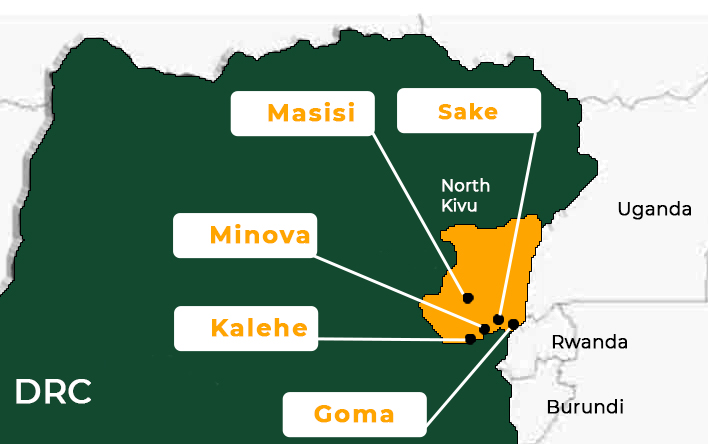
The fighting during the past few days, centred around the surroundings of Goma, was heavy. After encircling Goma and closing its airspace, on Sunday, the rebel group issued an ultimatum to the DRC Army (FARDC) demanding their surrender by 3:00 am, following which it ‘will proceed to occupy the city of Goma.’ On Monday morning, Goma fell into the hands of the M23. It is reported that some Congolese forces have continued to put up some resistance, while hundreds of FARDC soldiers surrendered to UN peacekeepers. Dozens of other Congolese soldiers also reportedly fled to Rwanda. MONUSCO staff and their families also crossed into Rubavu and have since arrived in Kigali by busses carrying them.
Since the fall of Goma, tensions have escalated on the border. Rwanda reported that bomb shells launched from the DRC led to the killing of 5 and injured 35 others on the outskirts of Rubavu town, prompting the closure of civilian activities, including schools and shops in Rubavu near the border. Reporters from Goma also indicated hearing drones and mortars/artillery coming from Rwanda. These are worrying signs of risk of the situation escalating into a direct confrontation between the two countries.
Ahead of the fall of Goma, heavy fighting took place as SAMIDRC and MONUSCO, along with FARDC, sought to halt the advance of the M23 toward Goma. It was as part of its Operation Springbok launched in November 2023 that MONUSCO engaged in attempting to forestall the M23’s march for seizing Goma. While the UN reported earlier that two MONUSCO peacekeepers have died, and nine others sustained injuries during the latest offensive, which started on 23 January, Urugua also reported the death of one of its soldiers. Three Malawian soldiers were also killed. SAMIDRC also sustained the loss of life of its personnel. The South African National Defence Force (SANDF) announced that it lost nine soldiers in the latest offensive, with seven of them serving under SAMIDRC and two others under MONUSCO. The statement from SANDF that ‘the South African contingent and its counterparts were able to halt the advancement of the rebel group towards Goma’ did not last long, as Goma fell into the hands of M23 two days later.
The current escalation that accelerated in the course of this month followed the collapse of the summit-level meeting of the Luanda Process under which the DRC and Rwanda have held a series of ministerial talks, whose outcomes include the signing of a ceasefire that came into effect in August 2024. The summit, involving a face-to-face meeting between Congolese President Félix Tshisekedi and Rwandan President Paul Kagame in Luanda under the facilitation of Angola’s President Jaoa Manuel Lorenço on 15 December 2024, was postponed ‘at the request of one of the parties at the last minute’, according to a statement by Angola’s Ministry of Foreign Affairs. While DRC’s President Tshisekedi travelled to Luanda in anticipation of the summit talks, his counterpart Rwanda’s Kagame canceled his travel at the last minute as he told journalists during his press briefing on 9 January. The postponement of the tripartite summit was attributed to the divergent views registered regarding the resolution of the M23 issue during the ministerial meeting held on 14 December ahead of the summit. In a letter it sent to the UN Security Council on 17 December accusing Rwanda of causing delay by insisting on direct negotiations with M23, DRC stated that it has no objections to the participation of the M23 in the Nairobi process, the EAC-led peace process headed by former Kenyan President Uhuru Kenyatta. Rwanda rejected the accusation in a counter letter it sent on 19 December, stating that the issue of the M23 has been included by the facilitator in the draft agreement presented to the two countries in August 2024.
It is to be recalled that the M23 was defeated after it seized Goma for a week in 2012 but resurfaced again three years ago. Since the resumption of its overt military activities in March 2022, M23 has been able to advance and capture key strategic towns in Kivu and Ituri provinces. Although M23’s activities became widely apparent in March 2022, reports indicate that the movement has been infiltrating key military positions and strategic areas in North Kivu since at least November 2021. In May 2022, during the 16th Extraordinary Summit of the AU, the AU Assembly designated Angola’s President Lorenço to be the facilitator for talks between Rwanda and DRC. While it has registered some gains, including avoiding the descent of the two countries into direct war and a ceasefire signed in July 2024, it ran into a deadlock in December 2024, as highlighted above.
Rwanda’s disaffection with the Luanda process was also implicitly revealed during a press conference that President Kagame held on 9 January. He told journalists that ‘we have processes and leaders leading these processes’ and ‘what becomes more important is the appearance, camera appearance, it is being seen there to be signing something and that becomes an end itself,’ underscoring that what matters is the substance and addressing the problems. At the same time, he stated that the process has to continue, but ‘it cannot be business as usual’ putting process above the results, despite the fact that Turkïye’s President Recep Tayyip Erdoğan reportedly offered to mediate between DRC and Rwanda after a meeting with his Rwandan counterpart who was on an official visit in Turkïye.
The panic and state of fear that the fall of Goma gave rise to prompted a flurry of diplomatic reactions and activities from various quarters. Angola’s President Lourenço issued a statement on 24 January, expressing deep concern over the deterioration of the security situation and strongly condemning the ‘irresponsible actions of the M23 and its supporters who endanger all efforts and progress achieved in the Luanda process’. The following day, AU Commission Chairperson, Moussa Faki Mahamat, issued a statement expressing deep concern and calling for ‘strict observance of the ceasefire agreed between the parties and the immediate cessation of all hostilities.’ DRC expressed its indignation at the description in Mahamat’s statement of the M23 as a ‘politico-military opposition’. On that same day 25 January, the SADC Secretariat issued a statement expressing concern and condemning the recent attack on SAMIDRC by the M23. The UN Secretary-Genera, in a 23 January statement, condemned the renewed offensive by the M23, including the capture of Sake and called on the group to stop its offensive, withdraw from all occupied areas and abide by the 31 July 2024 ceasefire agreement signed between DRC and Rwanda under Angola’s facilitation. He further stated, ‘he is troubled by the most recent report of the Group of Experts established pursuant to Security Council Resolution 1533, concerning the presence of Rwandan troops on Congolese soil and continued support to the M23.’
As the M23 advance toward Goma persisted despite attempts to halt it, the UN Security Council (UNSC) emergency session, which was initially scheduled for Monday 27 January, was moved to Sunday, 26 January. During her briefing to the UNSC, Bintou Keita, Special Representative of the Secretary-General for the Democratic Republic of the Congo and Head of MONUSCO ‘called on Rwanda to withdraw its forces from Congolese territory and end support for M23 and on the Democratic Republic of the Congo to ‘make significant efforts’ to neutralise the Democratic Liberation Forces of Rwanda, or FDLR.’ The three African members of the UNSC (A3 plus), in a joint statement delivered by Sierra Leone during the briefing, stated that the ‘resolution of the conflict in eastern DRC [Democratic Republic of the Congo] must be political, not military, while underscoring that the sovereignty and territorial integrity of the Democratic Republic of the Congo must be respected ‘by all States and non-State actors alike’. While the interventions from various UNSC members also asserted the imperative for respecting DRC’s sovereignty and territorial integrity and urged the withdrawal of support for M23, Rwanda’s representative told the UNSC that ‘the current crisis could have been averted had the DRC Government demonstrated a genuine commitment to peace.’ The UNSC subsequently issued a press statement, which, among others, condemned ‘the ongoing flagrant disregard for the sovereignty and territorial integrity of the DRC, including the presence in the Eastern DRC of external Forces’ and ‘demanded that these forces withdraw immediately and that the M23 put an end to the establishment of parallel administrations in the DRC territory .’
As the PSC convenes tomorrow, it faces the heavy and diverse ramifications of this dire situation. There are concerns that the current situation may push the DRC and Rwanda into full-blown direct conflict. Additionally, there are also understandable concerns about the heightened risk of the situation degenerating into a wider regional conflict, with the loss of lives involving peacekeepers from Southern Africa and the reported presence of forces from Burundi fighting on the side of DRC. These developments necessitate urgent de-escalation initiatives by the AU and regional bodies. Apart from interrupting the operation of the UN, including its peacekeeping mission, the fighting in Goma has curtailed humanitarian access and activities. Further to heightening inter-communal tension and violence, it is also forcing a large number of people into displacement.
The expected outcome of the session is a communiqué. The PSC is expected to condemn the violation of the ceasefire agreement signed under the Luanda Process and the recent escalation of fighting involving the M23. It may accordingly reiterate its call for unconditional cessation of hostilities and the withdrawal of the M23 from areas it has occupied. It may also urge for the follow up of the discussions under the Lunda Process for the neutralisation of the FDLR. The PSC may call for the establishment of a joint mechanism of the quadripartite framework for the monitoring of the ceasefire that came into effect in August 2024. It is also expected to call for respect of the sovereignty and territorial integrity of the DRC and restate its call for the withdrawal of all foreign forces operating in DRC. It may also welcome the statement of the UN Security Council and urge all actors to adhere to the demands of the statement. It PSC may urge Rwanda and DRC to refrain from actions that further aggravate the situation and accelerate risk of direct confrontation. Following the A3, the PSC may affirm that there is no military solution to the conflict and a political solution on the basis of the Luanda Process is the only viable option for its full resolution. The PSC may call for urgent dispatching of a high-level delegation of Heads of State and Government drawn from AU, EAC and SADC to Kinshasa and Kigali for urgent implementation of de-escalation measures and facilitating the return of the parties to the Luanda Process. The PSC may also urge restoration of calm, protection of people fleeing the affected areas and provision of humanitarian access.
Informal consultations with countries in political transition
Informal consultations with countries in political transition *
Date | 26 January 2025
Tomorrow (27 January), the African Union (AU) Peace and Security Council (PSC) will hold informal consultations with countries in political transition at the ambassadorial level.
Informal consultations with countries undergoing political transitions were incorporated into the PSC’s repertoire of working methods following its decision during the 14th Retreat on working methods, held in November 2022. The conclusions of the retreat introduced these consultations as a mechanism to facilitate direct engagement with representatives of countries suspended from participation in the AU due to unconstitutional changes of government, in line with Article 8(11) of the PSC Protocol. Since then, two such consultations have been held in April and December 2023.
The last time the PSC held informal consultations with countries in political transition was in December 2023. Since then, the PSC convened its 1212th session on 20 May 2024 as a formal meeting to receive updated briefings on the political transitions in Burkina Faso, Gabon, Guinea, Mali, and Niger. The PSC also conducted a field mission to Gabon in September 2024. Tomorrow’s session presents an opportunity for the PSC and countries in political transition to exchange views on the latest developments and provides a platform for candid discussions on concerning trends affecting the restoration of constitutional order in these countries.
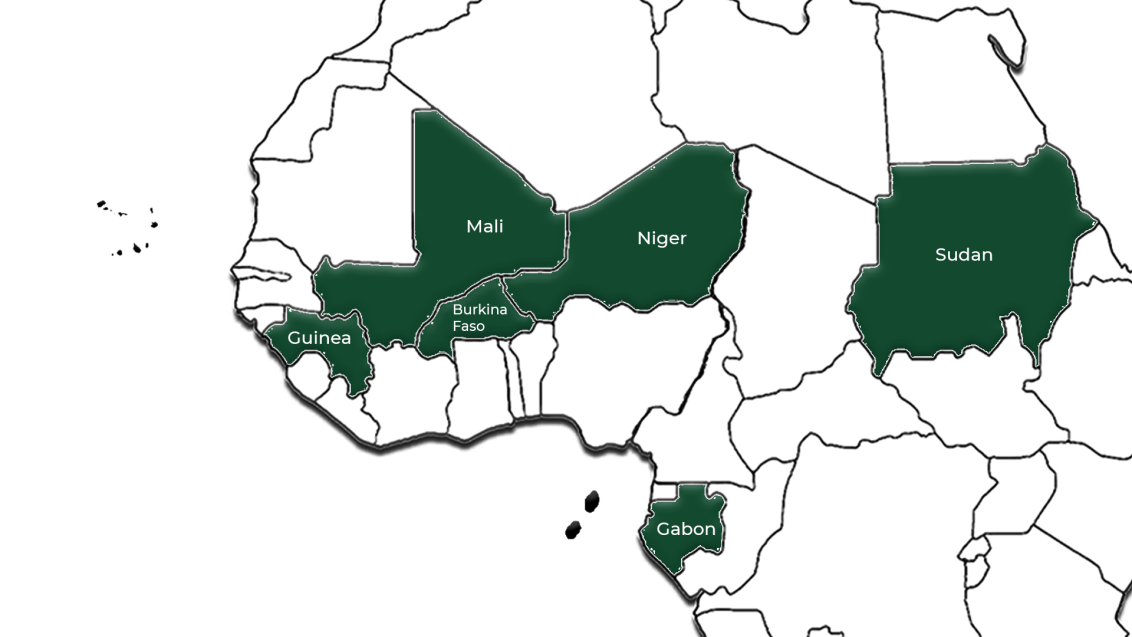
During tomorrow’s informal consultation it is expected that some of the representatives of the affected countries will raise concerns on how suspension from the AU continues to affect effective engagement of the AU. It is worth recalling that one of the reasons for the use of the informal consultation is to provide a platform for engagement between the PSC and the affected countries. Since the introduction of this format, the engagement between the PSC and these countries has shown improvements. In September 2024, the PSC undertook a mission to Gabon. The following month, the PSC spent a day in Port Sudan on a field visit as well.
Despite these improvements, it remains unclear how these engagements have changed the dynamics of the AU’s role in relation to these countries. For example, in the case of Sudan, it appears that the expectation from Port Sudan was for the lifting of Sudan’s suspension. Indeed, this issue was put on the agenda of the PSC during its session on 9 October. After debating the matter, a divided PSC adopted a principled position of upholding the suspension. This is not surprising, considering that there is no political process in Sudan to warrant the lifting of the country’s suspension from AU activities.
This outcome affirms that the effort to improve AU’s engagement in these countries cannot be reduced to the narrow issue of the lifting of suspension. Principally, the expectation, also from earlier experiences, is that the AU deploys and maintains robust diplomatic engagement focusing as relevant on two areas. First, this involves instituting a dedicated mechanism to work with the national actors on the transitional process on a sustained basis. When the AU suspends a state from its activities, its responsibility for sustained engagement becomes higher than usual. Second, the AU is rightly expected to initiate and deploy all the relevant policy measures to address the peace and security challenges facing these countries. For a long time, the focus on the unconstitutional change of government has overshadowed the imperative for the AU to elevate its policy action to address the threats facing, most notably, the Sahelian countries in transition. This has led to charges of AU being absent in having an active role in respect to the existential threat facing these countries. A case in point is the fact that the AU has not for a long time filled the position of the head of its mission in Mali and Sahel (MISAHL), which has been vacant since the departure of Mamane Sidikou in mid-2023.
Indeed, with respect to the countries in the Sahel, the PSC itself, at its 1212th session, rightly expressed concern about ‘the deteriorating security situation in the Sahel region due to the activities of terrorist and insurgent groups, and the attendant dire humanitarian situation.’ Despite this concern and the fact that the persistence of conflicts involving terrorist groups is at the core of the security and institutional crises facing Burkina Faso, Niger and Mali, the PSC, once again, failed to consider concrete steps for helping to address this principal challenge. Putting a spotlight on this lack of meaningful action, the AU Commission Chairperson, in his address to the AU Assembly on 17 February 2024, posed the following rhetorical questions: ‘How should we stop watching terrorism ravage some of our countries without doing anything? How can we accept just watching African countries destroyed and entire regions engulfed by tremors and tsunamis without doing anything significant?’
In terms of instituting a dedicated mechanism to work with national authorities for facilitating transitional processes, it can be discerned from the outcome of the 1212th session of the PSC that the AU neither deployed effective mechanisms nor ensured the effective functioning of existing ones. As a result, the PSC reiterated its request for the AU Commission ‘to appoint a High-Level Facilitator at the level of sitting or former Head of State to engage with the Transitional Authorities.’ Additionally, taking note of ‘the leadership vacuum within the African Union Mission for Mali and Sahel (MISAHEL)’ at a time when the AU needs active engagement in these countries, the PSC requested ‘the Chairperson of the AU Commission to ensure the nomination of a High Representative, which remains a crucial interface in ensuring collective oversight between the Commission, Council, and the Countries in transition.’
One notable and positive development that emerged since the 1212th PSC meeting is the decision of the AU to use the Crisis Reserve Facility of the Peace Fund to provide symbolic funding for supporting the efforts of Burkina Faso, Niger and Mali in the fight against terrorist groups with an allocation of $ 1 million to Burkina Faso and $ 500,000 each to Niger and Mali.
In terms of enhancing the AU’s role in the fight against terrorism in the Sahel, the AU may build on this recent support and adopt a Sahel stabilisation strategy supported by the activation of the decision to deploy 3000 troops to the Sahel made by the AU Assembly at its 33rd Ordinary Session [Assembly/AU/Dec.792(XXXIII)] in February 2020. It is a good time to have such a strategy and deployment, considering the decision of Burkina Faso, Niger and Mali as the Alliance of Sahel States (AES) to deploy a new regional 5000-strong force to fight against terrorism.
It is expected that some of the representatives of the countries concerned may put a spotlight on the lack of consistency of the AU in applying the rules on unconstitutional changes of government. This may become a key area of contestation, particularly as it relates to the eligibility of the coup makers for elections that may be held for restoring constitutional order. Despite the fact that the PSC affirmed the AU rule that the members of the Transitional Military Council in Chad are ineligible for election, the Chairman of the Council, Mahamat Idriss Déby, oversaw an orchestrated national dialogue and constitutional referendum that enabled him to run for elections, ultimately being declared the winner of the 6 May 2024 presidential election. The PSC’s failure to enforce its principles and decisions against the eligibility of military authorities in elections has put the AU in the difficult position of not being able to uphold this principle with respect to military leaders in other countries in transition, as highlighted by the 16 September 2024 edition of Amani Africa’s Ideas Indaba.
Another issue likely to receive attention in tomorrow’s engagement is the duration of the transition period. In Burkina Faso, the transitional timeline initially agreed to come to an end by 2 July 2024 has been extended by an additional five years. Similarly, Mali’s agreed timeline with ECOWAS for a February 2024 transition has been postponed indefinitely. In Niger, no clear transition timeline has been announced, though the junta proposed a three-year period. Guinea, which had committed to organising elections by the end of 2024 under a 24-month transition agreement with ECOWAS, also failed to meet this deadline. In Sudan, the prospect of a return to civilian rule has become a distant luxury as the ongoing conflict plunges the country into one of the world’s worst humanitarian crises. Meanwhile, Gabon’s transitional government has set 12 April 2025 as the date for the presidential election to end military rule, which has been in place since August 2023. The variations in the specific political, institutional and security context of these countries also underscore that a, generalised approach to AU’s role with respect to these countries would be inadequate and unfit and require a policy approach tailored to the specificities of each.
Tomorrow’s informal consultation is also expected to touch on the issue of the severing of ties by three central Sahel countries with ECOWAS, dealing a major blow to AU’s ideal of regional integration. On 15 December, during its 66th ordinary session, ECOWAS approved the withdrawal of Burkina Faso, Mali, and Niger (who formed their own Alliance of Sahel States (AES abbreviated in French) from the regional bloc, effective 29 January 2025. However, it also decided to institute a six-month transitional period (29 January–29 July 2025) for these countries, leaving the door open for them to reverse their decision. In a step that signals the determination of the countries to exit ECOWAS, the three states unveiled a new common passport of the Confederation of Sahel States, which is expected to come into circulation the same day the exit from ECOWAS takes effect. That the separation of AES states from ECOWAS may take effect is an indictment on the AU’s role of advancing regional integration, underscoring its inability, if not failure, to play the role of mediating between the two.
No outcome document is expected from tomorrow’s informal engagement.
*Post Script: The session was postponed indefinitely.
Consideration of the half-year Report of the Chairperson of the commission on elections in Africa: July to December 2024 and Outlook for 2025
Consideration of the half-year Report of the Chairperson of the commission on elections in Africa: July to December 2024 and Outlook for 2025
Date | 23 January 2025
Tomorrow (24 January), the African Union (AU) Peace and Security Council (PSC) will convene its 1255th session to consider the half-year report of the AU Commission on elections in Africa, covering the period between July and December 2024.
Following the opening statement of the Chairperson of the PSC for the month of January, Ennio Maes, Permanent Representative of Cote D’Ivoire, Bankole Adeoye, the Commissioner for Political Affairs, Peace and Security (PAPS), is expected to present the report. Statements are also expected from the representatives of Member States that organised elections during the reporting period and from the representatives of the Regional Economic Communities/Regional Mechanisms (RECs/RMs) that observed the elections.
The chairperson’s mid-year report on elections in Africa aligns with the PSC’s 424th session decision to receive quarterly briefings on national elections in Africa. Tomorrow’s session builds on the updates provided during the 1224th session on elections that were conducted during the first half of 2024. It will review the outcomes of elections held between July and December 2024, discuss broader trends in electoral governance across the continent and provide a snapshot of elections planned for the first half of 2025.
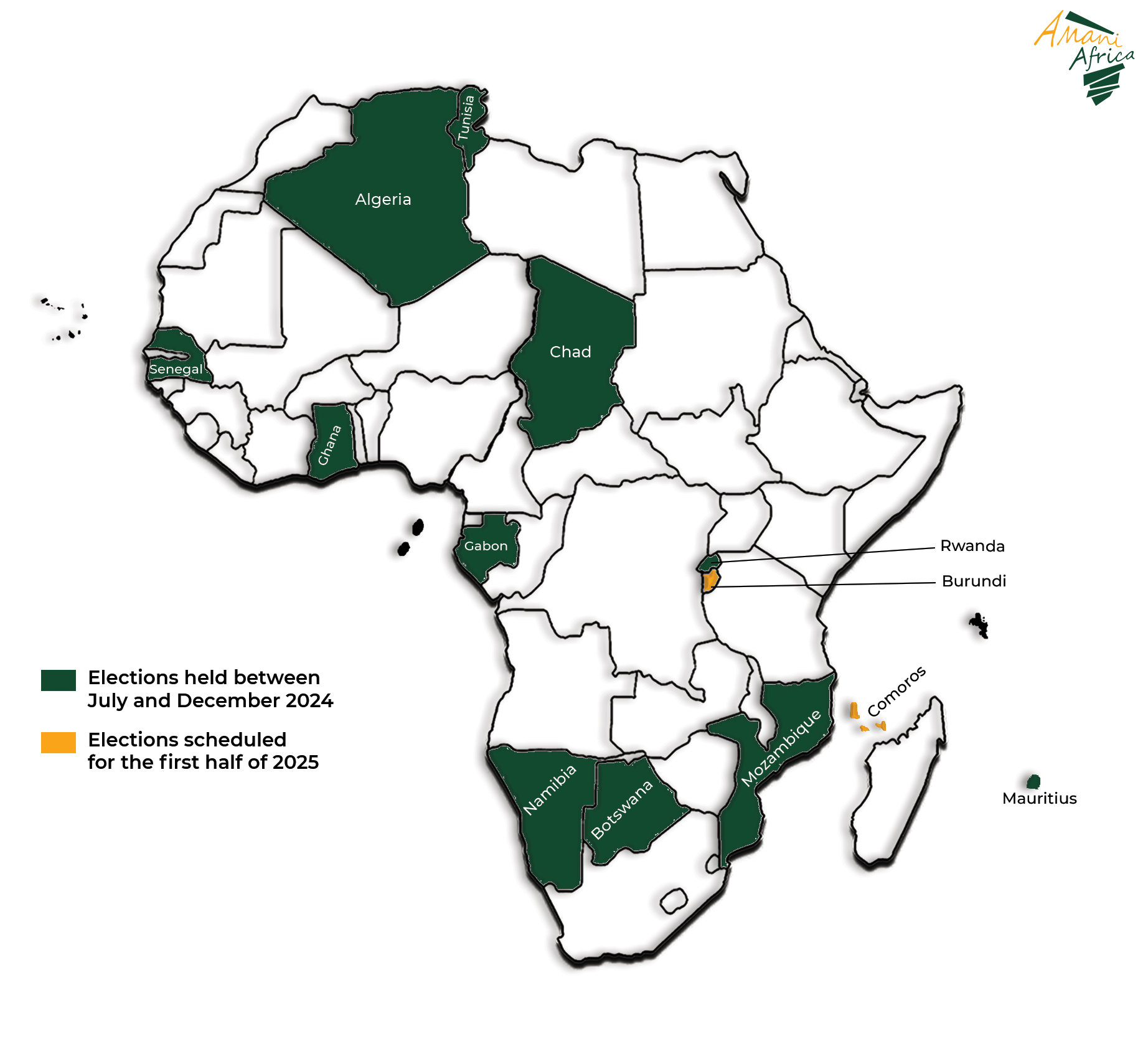
Dubbed an ‘election super year’, 2024 witnessed significant electoral activities in Africa, with at least 17 AU Member States conducting elections. In the second half of 2024, from July – December alone, 11 Member States organised presidential and parliamentary elections, namely: Algeria, Rwanda, Tunisia, Mozambique, Botswana, Mauritius, Gabon, Senegal, Namibia, Ghana and Chad. While the AU deployed Election Observation Missions (AUEOMs) that were notable for their inclusivity, with significant representation of women and youth among the observers to nine of these Member States, no missions were deployed to the Republics of Algeria and the parliamentary elections in Chad as the AU did not receive invitations from these Member States. The lack of such invitations risks setting a precedent that undermines AU missions and potentially weakening collective efforts to ensure transparent and credible elections on the continent.
The comprehensive electoral support extended by the AU to Member States includes deploying Election Observation Missions comprising diverse teams of short-term observers, technical experts, and representatives from civil society, youth and women’s organisations. The AU conducts pre-election and needs assessment missions to evaluate political environments stakeholder preparedness, and technical gaps. Capacity-building initiatives, such as training electoral experts and publishing reports on best practices, enhance institutional effectiveness. The AU also promotes stakeholder engagement, preventive diplomacy, and electoral reform advocacy to foster peaceful and inclusive elections. Financial and logistical support includes resources for Election Management Bodies (EMBs) and advocating state funding for equitable media coverage. Additionally, the AU emphasises post-election stability through legal dispute mechanisms and follow-ups to ensure adherence to democratic principles.
While the AUEOMs highlighted constructive roles played by political parties and EMBs in fostering inclusivity and transparency, challenges such as increased voter abstention in some member states and security concerns in areas like Mozambique were noted.
The Republic of Rwanda held its General Elections from 14 to 16 July 2024, electing a President and representatives for the Chamber of Deputies. The elections reaffirmed Paul Kagame’s hold on power with a landslide victory of 99.18% of the votes.
On 6 October, Tunisia held its first presidential election under the 2022 constitution, with Kaïs Saïed reelected in the first round with 90.69% of the votes. Despite this decisive victory, the election was marked by the lowest voter turnout since the 2011 revolution, 28.7%. The AUEOM highlighted the importance of broader voter engagement in future elections. The AU’s deployment of observers despite the deteriorating political environment, including the arrest of opposition figures and activists and a last-minute change to the electoral law that excluded judicial oversight of electoral violations, was criticised for legitimising Tunisia’s democratic backsliding.
Mozambique’s general elections, held on 9 October, underscored significant challenges in a country already grappling with security concerns in its northern provinces. Daniel Chapo of the incumbent FRELIMO secured 65.17% of the vote, extending the party’s decades-long dominance. However, the elections were marred by allegations of vote rigging, ballot box stuffing, and intimidation. The electoral environment was further marred by post-election violence, including politically motivated assassinations and a deadly crackdown on protests. The Constitutional Council’s decision to uphold the election results fueled further instability, and on 25 December, the AUC Chairperson issued a statement urging the ‘[g]overnment and all the national political and social actors to seek a peaceful solution to resolving the current crisis to avoid further loss of life’. A subsequent SADC summit, ‘mandated the SADC Panel of Elders supported by the Ministerial Committee of the Organ (MCO) Troika Member States, namely Malawi, Zambia and the United Republic of Tanzania, and the SADC Secretariat, to engage with the Government of Mozambique and key leaders of the opposition on the post-election environment in Mozambique, and report to the Chairperson of the SADC Organ by 15 January 2025.’ The summit also directed the Inter-state Defence and Security Committee to ‘propose measures to protect the regional trade routes, humanitarian corridors, and energy supplies while finding solutions to the political and security challenges in the Republic of Mozambique.’
The 30 October general elections in Botswana marked a historic victory for the Umbrella for Democratic Change (UDC), ending the Botswana Democratic Party’s (BDP) decades-long dominance. The AU commended Botswana for its peaceful political transition and high voter turnout of 81.42%. The concession of defeat by the BDP and the peaceful transfer of power were seen as positive developments.
Mauritius also held National Assembly elections on 10 November, that saw the incumbent conceding peacefully with the Alliance for Change securing a landslide victory. The elections, characterised by a voter turnout of 77.82%, were praised for their transparency and adherence to international standards.
Gabon conducted a constitutional referendum on 16 November, paving the way for a return to democratic order following the 2023 coup d’état. The referendum, which passed with 91.64% voting in favour, was a critical step towards the presidential and parliamentary elections scheduled for August 2025. While the Chairperson of the AU Commission has applauded it as an ‘important step on the restoration of democratic constitutional order’, the provisions in the newly approved constitution enable the junta leader’s potential candidacy in 2025, which is in contrast to Article 25 (4) of the African Charter on Democracy, Elections and Governance which prohibits perpetrators of unconstitutional change of government from running in elections that mark the formal end of governments installed by coups.
Senegal held early legislative elections on 17 November, resulting in a victory for the ruling PASTEF Party, which secured 130 seats. The peaceful and prompt acceptance of results by all parties displayed political maturity and minimised post-electoral tensions.
Namibia’s presidential and National Assembly election held on 27 November saw Netumbo Nandi-Ndaitwah of the ruling SWAPO elected as the country’s first female president. The elections were characterised by high voter turnout of 76.86% and peaceful conduct that further consolidated Namibia’s democratic credentials.
Ghana’s presidential and parliamentary elections on 7 December resulted in the return of John Dramani Mahama as president, with a 56.55% vote share. Ghana’s electoral process was widely regarded as exemplary, with strong institutional support and high voter confidence.
In addition to these reviews, tomorrow’s PSC session will likely examine trends in electoral governance and the importance of timely elections. The report also emphasises the need for sustained AU technical and financial support to EMBs and civil society organisations to strengthen Africa’s democratic processes.
Looking ahead, the session is expected to provide a snapshot of elections scheduled for the first half of 2025, including legislative elections in the Union of Comoros and Burundi. The AU’s readiness to deploy observation missions and technical support, contingent on Member State invitations, will be a focal point.
The expected outcome of tomorrow’s session is a communique. The PSC is expected to adopt the report of the chairperson of the Commission and may consider recommendations to address persistent challenges, including increasing voter engagement, ensuring timely elections, and bolstering AU mission resources to match the scale and scope of other international election observation efforts. The PSC may also congratulate the Member States that organised peaceful elections during the review period and express concern over the post-election violence in Mozambique and may also call on the Mozambican authorities, concerned opposition parties and members of the public to extend full cooperation to the efforts of the AU and SADC to find a peaceful resolution to the post-election crisis and violence.
Consideration of the Report of AUC Chairperson on the activities of MNJTF and mandate renewal of the Force
Consideration of the Report of AUC Chairperson on the activities of MNJTF and mandate renewal of the Force
Date | 12 January 2025
Tomorrow (13 January), the African Union (AU) Peace and Security Council (PSC), in its first session of the year, will consider the report of the AU Commission Chairperson on the activities of the Multinational Joint Task Force (MNJTF) and renew the force’s mandate.
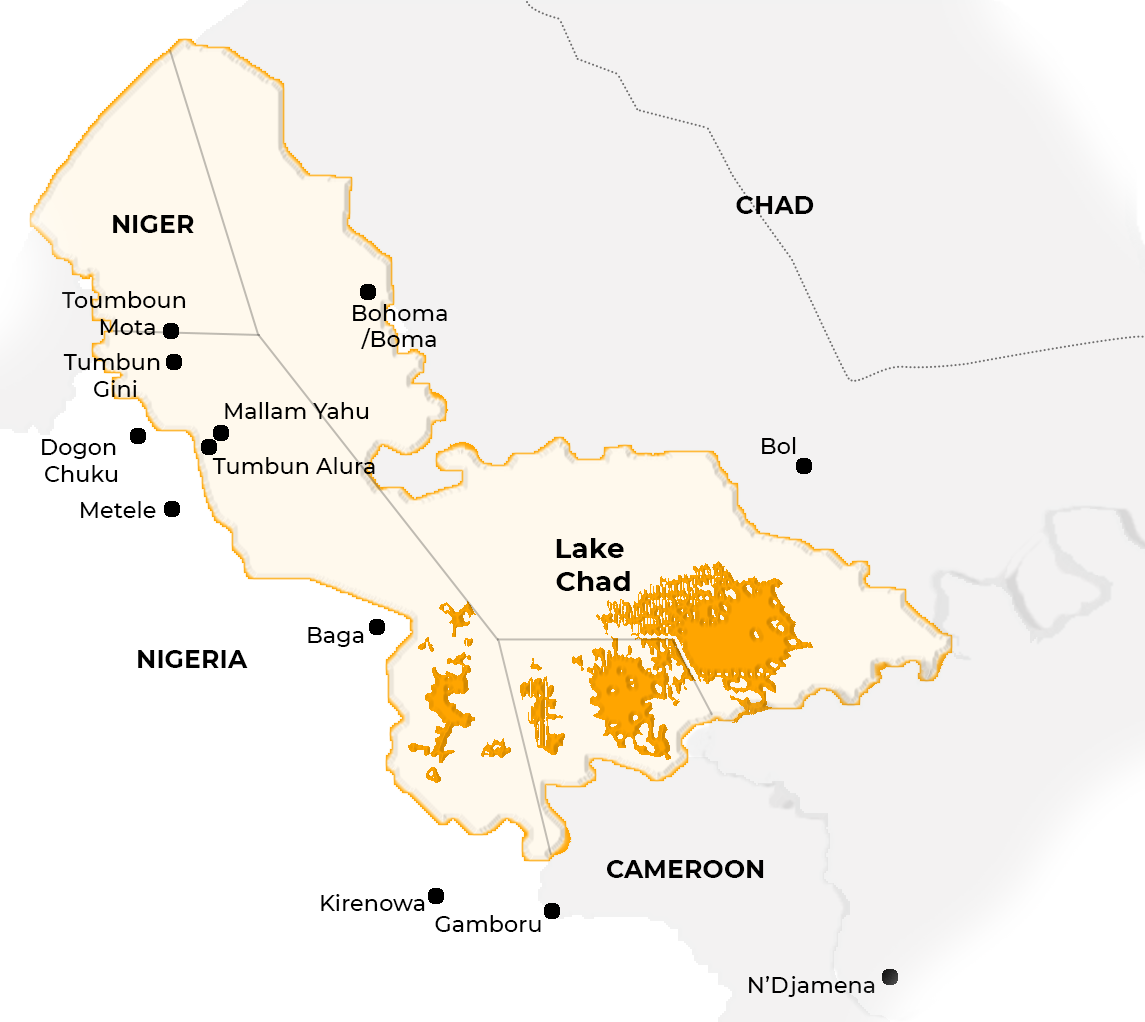
Following opening remarks by Ennio Maes, Permanent Representative of the Republic of Cote d’Ivoire to the AU and Chairperson of the PSC for January 2025, Bankole Adeoye, Commissioner for Political Affairs, Peace and Security (PAPS), is expected to make a statement introducing the Chairperson’s report. As usual, the Executive Secretary of the Lake Chad Basin Commission (LCBC), Mamman Nuhu, is also expected to brief the PSC.
It was during its 1197th session held on 30 January 2024 that the PSC last renewed the mandate of the MNJTF for another period of twelve months, which is set to expire on 1 February 2025. The PSC also requested the AU Commission and the Lake Chad Basin Commission (LCBC) to renew the Memorandum of Understanding (MoU) and Support Implementation Agreement (SIA) between AU, LCBC and MNJTF Troop Contributing Countries, which will guide the provision of AU additional support to the MNJTF, for a year. Tomorrow’s session could focus on the state of operation of the MNJTF, the security situation in the Lake Chad Basin and the implementation of the regional stabilisation strategy.
There have been some notable developments during the year in the operation of the MNJTF. Although it took the MNJTF two years since the conduct of Operation Lake Sanity in 2022, the Force managed to undertake Operation Lake Sanity II during April-July 2024, following its postponement from 2023. This focused on focused on the degradation of the capacity of terrorists within the fringes of the Lake Chad Islands while enhancing local support to isolate them and induce more surrender. It is reported that the operation and related activities led to the ‘neutralisation’ of 344 members of terrorist groups and the capturing of various weapons, including one RPG bomb, 2 Rocket Propelled Grenade (RPG) tubes and 4 Anti-Aircraft guns. Despite these successes, it was noted in the report of the 4th LCB Governors Forum that ‘the urgent need remains to clear remnants of Boko Haram fighters from their bases on the Tumbuns (islands on the fringes of the Lake Chad) from which they continue to launch attacks on the surrounding areas and beyond. The Tumbuns serve as their logistics hub, secure havens, and staging grounds. Their occupation of these islands also facilitates their generation of funds through illegal fishing and farming activities.’ To this end, it emphasised ‘[o]ne key area of need is enhancing its (MNJTF’s) amphibious and naval capabilities in and around Lake Chad.’
The MNJTF has also continued to implement non-kinetic activities in support of the regional stabilisation strategy, including civil-military coordination (that seeks to foster trust, community dialogue and close coordination with local communities and facilitate humanitarian activities), quick impact projects and counter-messaging radio and other communication programmes. The Chairperson’s report also recorded that by ‘November 2024, the MNJTF had facilitated the return of over 3,800 IDPs to Kukawa and other communities within the MNJTF Area of Operation and about 2,306 refugees to Banki town in Nigeria.’
During 2024, the MNJTF also faced operational challenges not just from lack of resources but also from divergence of national interests and variations in military strategies among participating countries, as well as geopolitical challenges. In October 2024, 40 Chadian soldiers were killed in a terrorist attack targeting a military base near Chad’s border with Nigeria. Boko Haram was allegedly responsible for the attack, prompting the Chadian security forces to launch a military operation, reportedly killing at least 61 terrorist elements. Following this incident, Chad’s President Mahamat Idriss Déby threatened to withdraw from the Multinational Joint Task Force (MNJTF), accusing the force of failing to address the security threats posed by terrorist groups. Additionally, the MNJTF was forced to operate for much of 2024 without the participation of Niger, which suspended its participation following the souring of relations owing to the sanctions imposed on Niger by the Economic Community of West African States (ECOWAS). As such, the Force operated its 13,799 troops in 3 MNJTF Sectors of Cameroon, Chad and Nigeria.
However, a major positive development took place during the third quarter of 2024 with respect to Niger’s participation in MNJTF. The December 2024 report of the UN Secretary-General on West Africa noted that on ‘28 August, the defence chiefs of Niger and Nigeria signed a memorandum of understanding in Niamey to boost cooperation against terrorism in the Lake Chad basin, with the Niger resuming its participation in the Multinational Joint Task Force.’
The security situation in the region indicates that the LCB region continues to maintain the significant degrees of stabilisation achieved in the affected areas, with military operations contributing to eroding the capabilities of terrorist groups operating in the areas of operation of the MNJTF and successfully restoring state presence in several borders and other areas in the region. Yet, the major terrorist groups operating in the region, namely Boko Haram and its splinter group Islamic State West Africa Province (ISWAP), continue to pose a significant threat.
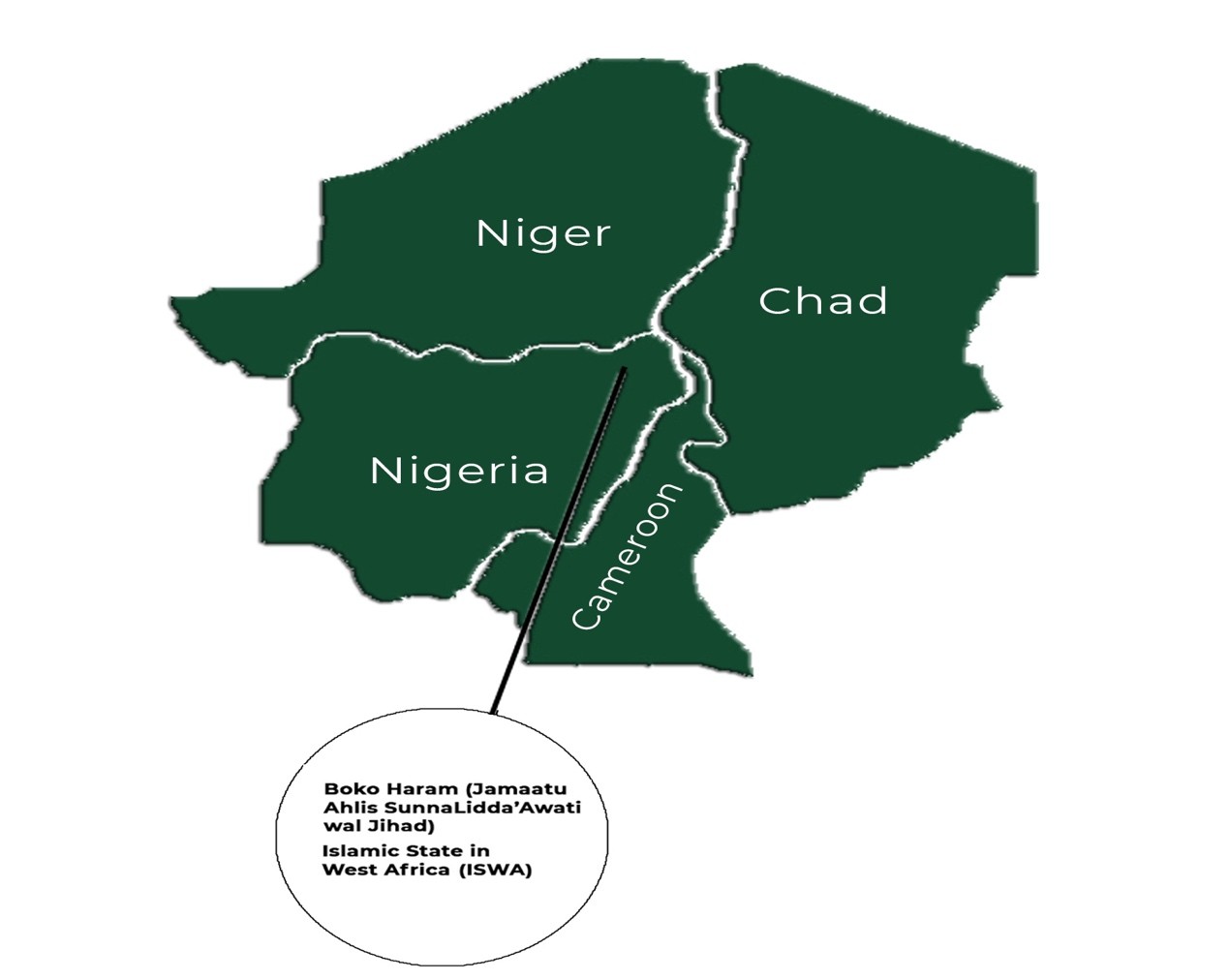
One major development that persisted during the reporting period is the worrying increase in the use of Improvised Explosive Devices (IEDs). Thus, despite the overall decline in the threat level of the region, there has been a spike in the use of IEDs, particularly in the Far North Province of Cameroon and corresponding areas on the Nigerian side of the border, targeting the MNJTF and national armed forces as well as civilians. According to the Chairperson’s report, ‘a total of 70 IED incidents were recorded compared to 50 similar incidents during the same period in 2023, with 37 soldiers and 13 civilians killed during these attacks against 34 soldiers and 57 civilians killed during similar attacks in 2023.’ Further threats to the security situation arise from suicide attacks, kidnappings and other militant and criminal activities, including predatory attacks by terrorist groups on civilian communities. In June and July 2024, suicide attacks were reported in Borno State, Nigeria, attributed to Boko Haram/Islamic State West Africa Province, resulting in several fatalities. Additionally, in September 2024, suspected Boko Haram members targeted communities in Yobe State.
The threats from the two major terrorist groups in the region, combined with the impact of climate change, have exacerbated the humanitarian crisis in the region. The report of the 4th Governance Forum of the LCB noted that during the 13 years of insurgency and conflicts, ‘Boko Haram and ISWAP continue to attack and unleash violence on communities, producing around 2.9 million internally displaced (IDPs), including 2 million in Nigeria alone.’ According to the latest UN figures from September, there are approximately 21,650 refugees, more than 220,600 internally displaced persons, and around 16,885 returnees in Chad. In Cameroon, the numbers are about 120,600 refugees and 453,660 internally displaced persons. The humanitarian situation is also affected by inadequate humanitarian and rehabilitation support, which undermines returnees. In this respect, the Chairperson’s report noted that ‘[w]hile the number of resettled populations have continued to rise, most of these communities received little or no form of humanitarian assistance, and there is a need for urgent actions to enhance the livelihoods of these resettled communities.’ Climate change further aggravates the difficult humanitarian situation in the region, as recent flooding events affecting all of LCB countries highlighted. The UN reported that as of ‘2 December, over 4.9 million people have been affected by floods, with 1.94 million in Chad, 1.52 million in Niger, 612,700 in Nigeria and over 448,000 in Cameroon.
The other issue expected to receive attention during tomorrow’s session is the implementation of the Regional Stabilisation, Recovery, and Resilience Strategy for Areas Affected by Boko Haram in the Lake Chad Basin. One of the major developments in this respect during the reporting period is the updating of the Strategy. On 20 September 2024, the 5th meeting of the Steering Committee for the implementation of this regional strategy took place virtually. The meeting approved the adjusted Regional Strategy and Community-based Reconciliation and Reintegration Policy for 2025-2030, which is expected to be endorsed by the LCBC Council of Ministers. The revised strategy seeks to shift focus from stabilisation efforts to sustained stability and put greater emphasis on socio-economic development on the basis of the security, humanitarian and development nexus approach.
The expected outcome of the session is a communiqué. The PSC may commend the MNJTF for the progress it registered in degrading the capabilities of the terrorist groups operating in its areas of operation in the LCB region and the resultant progress in the stabilisation of the affected regions. It may also welcome the productive conclusion of Operation Lake Sanity II undertaken by MNJTF. The PSC may commend the MNJTF participating countries and encourage them to sustain and enhance the close coordination between them. In this respect, the PSC may welcome the MOU signed between Nigeria and Niger and the resumption of Niger’s participation in the MNJTF. It may call on AU and LCBC to mobilise additional support to the MNJTF particularly in terms of enhancing its anti IED and amphibious and naval capabilities. It may request the renewal of the MoU between the AU and the LCBC for another year. In light of the threat that terrorist groups in the LCB region pose and the need for sustaining gains made, the PSC is expected to renew the mandate of the MNJTF for a further period of 12 months. The PSC may also commend the LCBC for its role in the stabilisation of the region through the implementation of the Regional Stabilisation Strategy and the progress made towards the revision and adjustment of the Strategy. The PSC may express concern about the humanitarian situation in the region, including the impact of climate change and the recent flooding. It may underscore the need for a climate change sensitive programming and provision of rehabilitation support for affected regions and communities.