
Sudan’s Crisis is Africa’s Crisis - And Its Responsibility
Sudan’s Crisis is Africa’s Crisis - And Its Responsibility
Date | 22 January 2026
INTRODUCTION
Sudan is now the epicenter of one of the world’s deadliest conflicts and most desperate humanitarian crises. The numbers speak for themselves: since 2023, more than 150,000 people are estimated to have died as a result of violence and other related causes, 7.3 million have been newly internally displaced—on top of 2.3 million already displaced, bringing the total 9.6 million, 4.3 million have fled as refugees to neighboring countries, and more than 30 million people—two-thirds of the population—require humanitarian assistance (here). The atrocities committed defy words, and the battle for El-Fasher—its fall to the Rapid Support Forces (RSF) and the unbearable reports that followed—has revived the darkest echoes of an earlier tragedy: the scorched-earth campaign waged in Darfur following the 2003 armed rebellion in that region. The fear now is stark: what happened there could happen again, elsewhere.

Briefing on the situation in South Sudan
Briefing on the situation in South Sudan
Date | 22 January 2026
Tomorrow (23 January), the African Union (AU) Peace and Security Council (PSC) will convene a session to receive an update on the situation in South Sudan.
Following opening remarks from Jean Leon Ngandu Ilunga, the Permanent Representative of the Democratic Republic of Congo (DRC) to the AU and chairperson of the PSC for the month of November, Bankole Adeoye, the AU Commissioner for Political Affairs, Peace and Security, is expected to make a statement. South Sudan, as a country concerned, is also expected to make a statement. Others expected to make statement include the Inter-Governmental Authority on Development (IGAD), as the concerned regional economic community/Mechanism (REC/M), South Africa (as Chairperson of the AU Ad Hoc High-Level Committee on South Sudan (C5), Chairperson of the Reconstituted Joint Monitoring and Evaluation Commission (R-JMEC); and the representative of the United Nations Secretary-General and Head of the United Nations Mission in South Sudan (UNMISS).
The political, security, and humanitarian situation in the country appears to have deteriorated further since the Council last discussed South Sudan on 28 October 2025. Political tension is mounting. Fighting and insecurity are spreading.
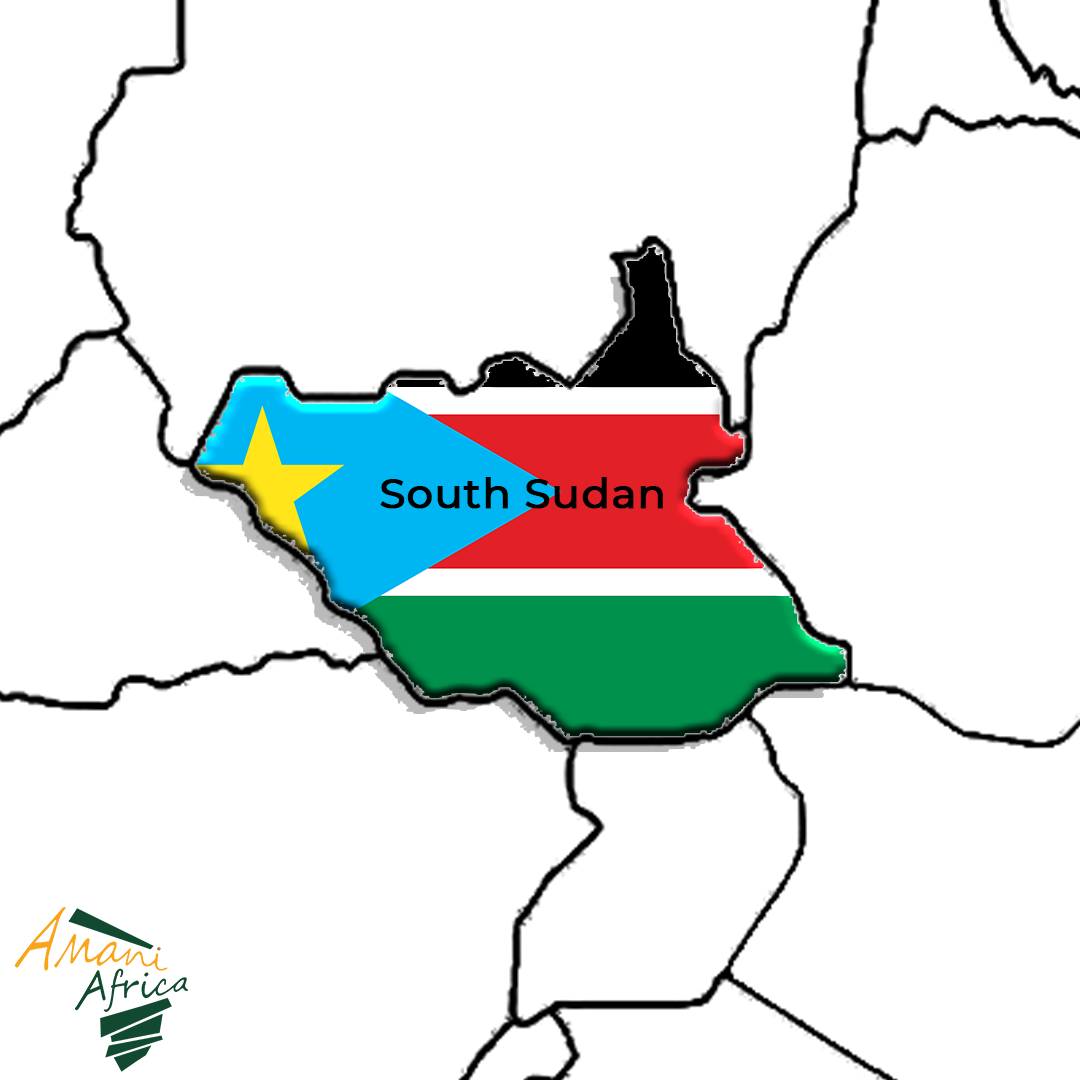
It is to be recalled that in its communiqué adopted at the last session of its 1308th meeting held on 28 October, the AU Peace and Security Council (AUPSC) underscored the need to avoid any actions that could jeopardise the full implementation of R-ARCSS, which it described as the only viable pathway towards a consensual and sustainable solution to the country’s challenges.
However, R-ARCSS is now on the verge of collapse. The Revitalised Joint Monitoring and Evaluation Commission (RJMEC), the body monitoring the R-ARCSS, observed in its report released in October that there is ‘systematic violation of the responsibility-sharing arrangements across all crucial bodies, including functionality of the executive and legislature.’ Progress on other provisions critical to South Sudan’s transition from conflict to peace, including those required for the holding of elections, remains stalled. In its report to the Reconstituted Transitional National Legislative Assembly in December 2025, RJMEC expressed ‘serious concerns that if urgent steps are not taken to expedite progress, then holding elections as scheduled in December 2026 may be extremely difficult.’
The SPLM-IO under Machar’s leadership has declared the R-ARCSS defunct following Machar’s arrest, while another faction continues to cooperate with the government. Following the detention of Riek Machar in March, the first vice president and signatory of the R-ARCSS as the leader of the SPLM-IO, the party has experienced internal divisions, with some of the members of the party coopted into and collaborating with the government.
Meanwhile, Machar and seven of his allies are standing trial before a Special Court in Juba. During its most recent session on 12 January, the court barred the public and the media from attending the proceedings, citing the need to protect prosecution witnesses. Machar and his allies have been charged with murder, treason, and crimes against humanity. Machar has rejected the charges and claimed immunity as a sitting vice president. His defence team has also challenged the court’s jurisdiction, arguing that such crimes fall within the mandate of an AU hybrid court, as stipulated under the R-ARCSS. Nevertheless, the Special Court dismissed these objections, including challenges to the constitutionality of the proceedings. It is to be recalled that the AUPSC called for the immediate and unconditional release of Machar and his wife, but the South Sudanese government rejected the appeal.
The SPLM has also experienced internal fragmentation, with veteran politician Nhial Deng Nhial suspending his membership in the party and launching a new political movement, the South Sudan Salvation Movement, which operates under the opposition United People’s Alliance led by Pagan Amum. In a surprise move in November, President Salva Kiir dismissed one of his vice presidents and the SPLM’s First Deputy Chairperson, Benjamin Bol Mel, who had been widely regarded as being prepared to be a possible successor. Although Bol Mel was promoted to the rank of general within the National Security Service’s Internal Bureau, he was subsequently stripped of his military rank and dismissed from the national security service. Kiir then reinstated James Wani Igga as vice president; Igga had been replaced by Bol Mel earlier in 2025.
President Kiir has also frequently reshuffled the cabinet through presidential decrees amid the unfolding political crisis. These reshuffles have been criticised for violating the 2018 R-ARCSS, as the President appoints and dismisses officials without consulting the other signatories, thereby undermining the power-sharing arrangements stipulated in the agreement.
In a step that is feared to cause further erosion of the collapsing R-ARCSS and in another surprise move in December, the government announced a series of amendments to the R-ARCSS following a meeting convened by President Kiir to discuss the final phase of the transition and preparations for general elections scheduled for December 2026. According to the government, the Sudan People’s Liberation Movement (SPLM), a faction of the SPLM-IO not aligned with Machar, the South Sudan Opposition Alliance (SSOA), the Former Detainees (FD), and Other Political Parties (OPP) attended the meeting.
The amendments agreed at the December meeting reportedly removed provisions linking the holding of general elections to the completion of a permanent constitution, a process that has dragged on for the past eight years. In the absence of a permanent constitution, general elections would be conducted under the Transitional Constitution adopted in 2011. The amendments also stipulate that a national population and housing census—deemed necessary for elections under the R-ARCSS—would be conducted after the elections.
The government indicated that the amendments would undergo a review process before being ratified by the national legislature. However, the SPLM-IO reportedly characterised the move as illegal, arguing that it excluded other signatories to the peace agreement and rejected the amendments in their entirety. Civil society representatives also expressed concern over the unexpected decision, calling for respect for the R-ARCSS and greater inclusion of civil society in the process.
The political crisis has contributed to a significant deterioration in South Sudan’s security situation. Reports indicate intensified fighting in various parts of the country between government and opposition forces. As political tension and fighting escalate, recent weeks have witnessed intensified hostilities in Jonglei State involving ‘repeated aerial bombardments by the South Sudan People’s Defence Forces (SSPDF), clashes with SPLM/A-IO and the reported mobilisation of armed civilian militias’, noted the UN Commission on Human Rights in its press release of 18 January 2026. This escalating fighting is compounded by local and intercommunal violence.
The spreading and intensifying violence is precipitating significant civilian casualties and destruction of critical infrastructure, including health facilities, schools, and public buildings, as well as severe limitations of humanitarian access.
These developments are aggravating an already dire humanitarian situation. According to OCHA, two-thirds of the population will require humanitarian assistance in 2026. It is reported that more than 100,000 people, predominantly women, girls, older persons and persons with disabilities, have been forcibly displaced across the state since late December 2025. The alarming humanitarian and civilian protection situation is compounded by worsening economic conditions, corruption and disease outbreaks. The ongoing conflict in neighbouring Sudan has further strained South Sudan’s already dire humanitarian situation.
As Amani Africa indicated in its briefing to the UN Security Council in November, South Sudanese civilians are the ones bearing the brunt of the deteriorating political and security situation in the country, underscoring a heightening need for reinforcing measures for the protection of civilians and humanitarian support.
At a time when the Horn of Africa is facing multiple challenges, the heightening risk of South Sudan’s relapse back to full-scale war has become a major concern, thus requiring a more robust conflict prevention effort from all quarters, not least of all the AU. In a joint statement issued on 18 December, the Troika (the United States, the United Kingdom, and Norway) expressed alarm over the widespread conflict across the country, describing it as a major setback. The Troika urged South Sudanese leaders to reverse course, halt armed attacks, immediately return to the nationwide ceasefire, and engage in sustained, leader-level dialogue. These calls were reinforced by a subsequent joint statement supported by the embassies of Canada, France, Germany, Japan, Norway, the Netherlands, Sudan, Uganda, the United Kingdom, and the United States, as well as the European Union delegation in Juba, which stressed the need for inclusive dialogue to address the country’s political and security crisis.
It is to be recalled that the AUPSC encouraged the continued engagement of the AU High-Level Ad Hoc Committee for South Sudan (C5) in supporting the constitution-making process and preparations for the December 2026 elections. A C5 delegation comprising representatives from South Africa, Algeria, Chad, Nigeria, and Rwanda visited Juba on 14 January. It held high-level meetings with South Sudanese authorities to discuss the political situation, implementation of the R-ARCSS, and preparations for general elections, among other issues. The AUPSC is expected to receive an update on the outcome of the visit.
The expected outcome of the session is a communiqué. The PSC is expected to express grave concern over the deteriorating political and security situation, the systematic violations of the R-ARCSS and the rising danger of the country’s relapse to full-scale civil war. It may condemn and call for an unconditional end to the indiscriminate use of violence and violence against civilians. The PSC may also reaffirm that the R-ARCSS remains the most viable framework for sustainable peace and stability in South Sudan and may urge both parties to recommit to the permanent ceasefire and transitional roadmap. It could also call for the release of all political detainees and restoration of political dialogue. As a critical step towards restoration of stability and implementation of R-ARCSS, it may call for an independent investigation of incidents of violations of the revitalised peace agreement, including the March 2025 incident in Nasir, through a mechanism that is put in place by the UN-AU-IGAD. It could also call for full reactivation of the Ceasefire and Transitional Security Arrangements Monitoring and Verification Mechanism (CTSAMVM) to ensure compliance with the ceasefire. To ensure high-level and sustained engagement for preventing South Sudan’s relapse back to full scale civil war, the PSC may reiterate its request for the AU Commission to maintain sustained engagement, including possibly appointing a High-Level Envoy to work jointly with IGAD, the C5, and the Trilateral Mechanism to facilitate direct dialogue between President Kiir and the SPLM-IO leader and signatory to the R-ARCSS Machar.
……………………………………………
For additional reference, check the briefing Amani Africa delivered to the UN Security Council from the link here http://amaniafrica-et.org/amani-africa-tells-the-unsc-to-deploy-preventive-measures-with-urgency-and-decisiveness-to-pull-south-sudan-from-the-brink/
The press statement by the UN Commission for Human Rights in South Sudan, dated 18 January 2026, can also be found at the following link:
https://x.com/uninvhrc/status/2012798544801906798.
Consideration of the situation in Guinea
Consideration of the situation in Guinea
Date | 21 January 2026
Tomorrow (22 January), the African Union (AU) Peace and Security Council (PSC) will convene a session to consider the situation in Guinea.
The session will commence with an opening statement by the Chairperson of the PSC for the month, Jean-Léon Ngandu Ilunga, Permanent Representative of the Democratic Republic of the Congo to the AU, followed by a statement from Bankole Adeoye, Commissioner for Political Affairs, Peace and Security (PAPS). Guinea’s representative may also deliver a statement following the closed session.
The session takes place against the backdrop of recent developments marking the formal conclusion of Guinea’s transition following the September 2021 military coup. These developments culminated in the presidential election held on 28 December 2025. The coup leader, General Mamadi Doumbouya, was declared the winner with 86.72 per cent of the vote following the proclamation of the final results by the Supreme Court on 4 January 2026, and was subsequently sworn in as President on 17 January.
In a communiqué released on 4 January, the Chairperson of the AU Commission, Mahamoud Ali Youssouf, extended his ‘warmest congratulations’ to the President-elect of Guinea. He commended the Guinean people for demonstrating political maturity through peaceful participation in the electoral process, and called on the AU and the international community to assess the situation in the country with a view to lifting the sanctions imposed on Guinea. He stated that such a step would reflect the progress achieved and help create favourable conditions for the implementation of the roadmap aimed at rebuilding and modernising the state for the well-being of the Guinean people.
A similar position was reflected in the Preliminary Statement of the AU Election Observation Mission, led by former President of Burundi and member of the AU Panel of the Wise, Domitien Ndayizeye. The Mission concluded that the election was conducted in a ‘peaceful, orderly and credible environment, consistent with relevant international standards and the national legal framework.’ On this basis, it recommended that the AU consider lifting the sanctions imposed on Guinea as a gesture of increased solidarity, to encourage the acceleration and successful completion of structural reforms, support national reconciliation, and create a conducive environment for forthcoming elections as drivers of social stabilisation and democratic consolidation.
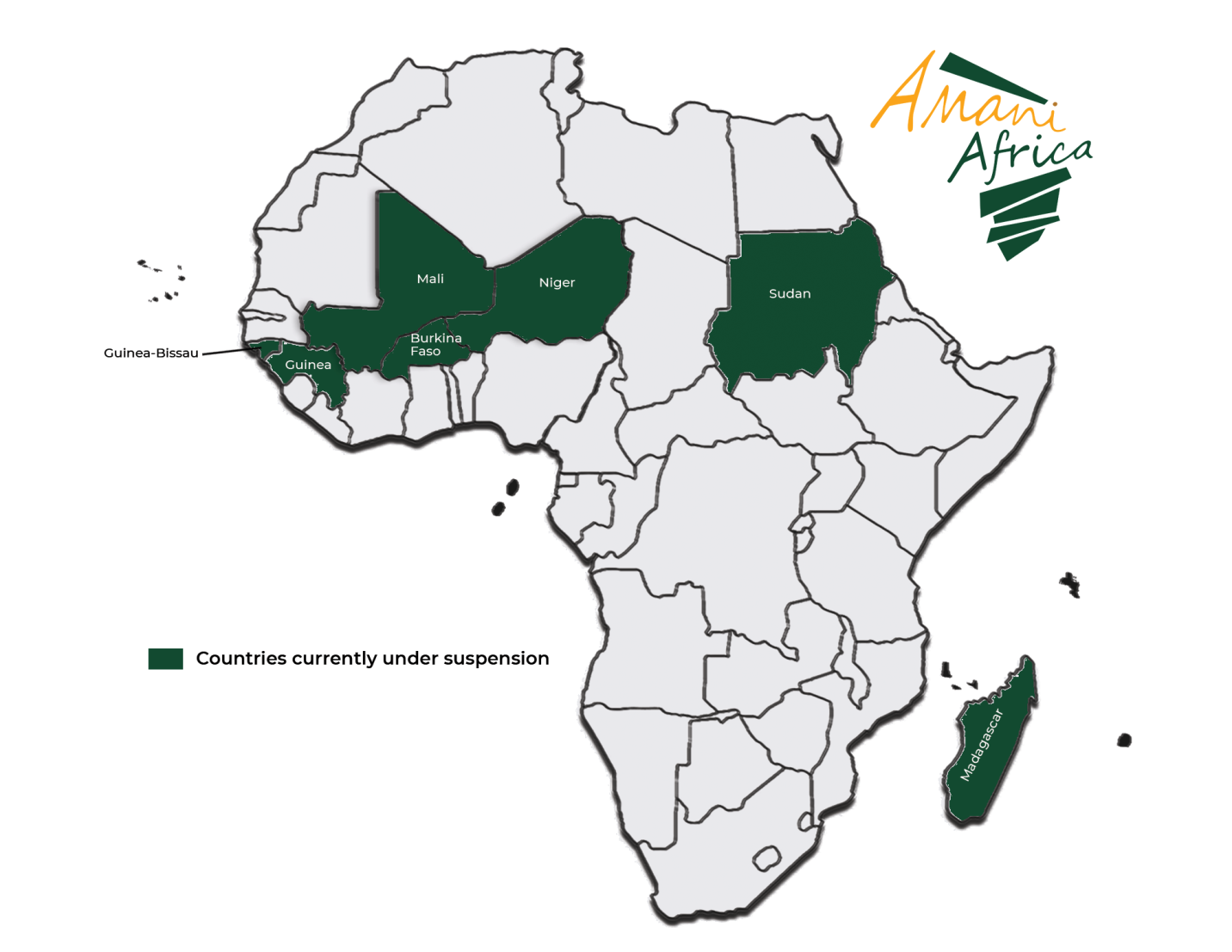
Tomorrow’s session thus unfolds in the context of these calls by the Chairperson of the Commission and the AU Election Observation Mission for the lifting of the sanctions imposed by the PSC at its 1030th session of 10 September 2021, following the unconstitutional change of government in the country. Mirroring the approach taken in the case of Gabon—where suspension was lifted after a presidential election despite its inconsistency with the AU’s anti-coup norm barring coup perpetrators from contesting elections—the PSC is expected to lift the sanctions and bring Guinea back into the AU fold.
Guinea was suspended by the PSC on 10 September 2021 from participation in all AU activities following the military coup of 5 September 2021 led by the current President, General Mamadi Doumbouya. Since then, the political transition in the country experienced delays, notwithstanding the two-year transition period agreed between Guinea and the regional bloc, ECOWAS, in October 2022. However, in 2025, Guinea took steps to complete the political transition.
A constitutional referendum was held on 21 September 2025, laying the foundation for the entry into force of a new Constitution adopted by the people and promulgated on 26 September. The Constitution amended the legal framework to allow members of the ruling military authorities to stand as candidates and extended the presidential term to seven years, renewable once. A new Electoral Code was also adopted and promulgated on 27 September 2025. On 28 December, Guinea organised the presidential election, a key milestone in the political transition and a major step toward the restoration of constitutional order in the country.
The PSC conducted a field mission to Guinea on 30 and 31 May 2025, during the chairship of Sierra Leone, to encourage the authorities to complete the transition. During the mission, it is recalled that the Guinean authorities requested that the AU consider lifting sanctions following the constitutional referendum in September, in order to facilitate re-engagement with the international community and access to vital partnerships for socioeconomic development. However, both the report of the field mission and the communiqué adopting it alluded that the conduct of the presidential election in December—rather than the constitutional referendum—would mark the formal end of the transition and trigger the lifting of sanctions.
In the communiqué adopted at its 1284th session, the PSC requested the AU Commission to engage with the Guinean transition authorities to identify areas of support and provide the necessary technical and financial assistance, particularly for the constitutional referendum and the preparation of the general elections scheduled for December. In follow-up to this request, the Commission deployed a short-term Election Observation Mission to Guinea from 20 December 2025 to 1 January 2026, composed of 62 observers and led by Mr Domitien Ndayizeye.
As PSC members prepare to consider the lifting of Guinea’s suspension, they will be confronted with the question of how to reconcile such a decision with Article 25(4) of the African Charter on Democracy, Elections and Governance (ACDEG), which explicitly prohibits perpetrators of unconstitutional changes of government from participating in elections held to restore democratic order or from holding positions of responsibility in political institutions. This, however, is not the first time the PSC has faced this dilemma. At its 442nd session in June 2014, when lifting Egypt’s suspension, the PSC explicitly stated that the decision was taken with the ‘understanding that this does not constitute a precedent’ regarding compliance with Article 25(4) of the Charter.
More recently, in the case of Gabon, the PSC at its 1277th session held on 30 April 2025 lifted the country’s suspension following the 12 April presidential election, which resulted in the election of Brice Oligui Nguema—the leader of the August 2023 military seizure of power—without reiterating the non-precedential caveat or reaffirming the relevance of Article 25(4). This signalled a notable shift in the PSC’s approach, with growing emphasis on reintegrating countries suspended following military coups into the AU fold, even at the expense of weakening the Union’s own anti-coup norms. The prevailing sentiment within the PSC appears increasingly pragmatic and flexible, marking a departure from the AU’s declared policy of zero tolerance for unconstitutional changes of government.
Lifting Guinea’s suspension without addressing its compatibility with Article 25(4) of ACDEG would have serious implications—not only for the AU’s normative stance on unconstitutional changes of government, but also for the precedent it sets for other sanctioned contexts. It would raise fundamental questions about the applicability of Article 25(4) and the message conveyed to militaries across the continent. If those who seize power through military coups can ultimately secure legitimacy through elections endorsed by the AU, it risks incentivising unconstitutional seizures of power by altering the perceived balance between the risks and rewards of military intervention in politics.
In this context, the critical questions raised in our previous analyses of the PSC’s approach in the case of Gabon remain equally relevant to Guinea. When considering the lifting of Guinea’s suspension, the issue should not be limited to whether the completion of the electoral process constitutes the restoration of constitutional order. It should also address how the PSC intends to manage the implications of this decision in relation to Article 25(4). At a minimum, the PSC could reiterate the formulation adopted at its 442nd session, emphasising the continued relevance of Article 25(4) and clarifying that the lifting of Guinea’s suspension does not constitute a precedent for future cases.
The expected outcome of the session is a communiqué. The PSC is likely to commend the conduct of the presidential election held on 28 December 2025 and may congratulate Mamadi Doumbouya on his election as President. In line with the calls by the Chairperson of the AU Commission and the AU Election Observation Mission, the PSC is also expected to lift Guinea’s suspension and invite the country to immediately resume participation in AU activities. However, it remains unclear whether the PSC will explicitly reaffirm the relevance of Article 25(4) of ACDEG and clarify the non-precedential nature of its decision—as it did in 2014—or whether it will follow the approach adopted in its 1277th session on Gabon, thereby tacitly tolerating a breach of this provision.
The gathering storm facing Africa in 2026: Entrenching conflicts, Fractured Order, and eroding agency
The gathering storm facing Africa in 2026: Entrenching conflicts, Fractured Order, and eroding agency
Date | 14 January 2026

Abdul Mohammed, Former Senior UN Official and Chief of Staff of AU High-level Panel on Sudan
Solomon Ayele Dersso, PhD, Founding Director, Amani Africa
Africa is entering 2026 not at a moment of transition, but at a moment of reckoning. Across the continent, armed conflict, state fragmentation, humanitarian collapse, economic distress, climate shocks, democratic erosion, and geopolitical entanglement are converging with a simultaneity and intensity unseen in recent decades. What distinguishes this moment is not the presence of crisis per se, but the growing risk that instability is becoming structural rather than episodic—normalized rather than exceptional.
This reckoning is unfolding against the backdrop of a deepening global disorder. The international system itself is unraveling at alarming speed. Established norms, institutions, and rules are eroding, replaced by ad hoc power politics, coercive economic statecraft, and fierce geopolitical competition. This disorder is not stabilizing. It is accelerating—and its consequences are ominous, particularly for Africa and others in the global South as events on Christmas day in Nigeria and on 6 January in Venezuela illustrate.
Parts of the Global South are struggling, unevenly and imperfectly, to reposition themselves in response to this turbulence. The question for Africa is, as SRSG and Head of UN Office to the AU Parfait Onanga-Anyanga recently put it, will it position itself to negotiate collective interests amidst this prolific and plural competition, or will African countries get picked off one by one?
Africa, however, enters 2026 with no clear evidence of serious, collective, continent-wide strategic reflection on how to navigate the emerging global order. As captured in a recent Amani Africa policy brief, Africa’s engagement is characterized by fragmentation, operating on the basis of ‘a patchwork of’ individual, often competing foreign policies of African states. While individual states and sub-regions may be engaging externally, they are largely doing so through transactional, bilateral, and short-term calculations, rather than through a shared Pan-African vision or common strategic posture.
The result is deeply concerning. Fierce competition among middle powers and major powers in Africa is deliberately fragmenting the continent, integrating African states, sub-regions, and institutions—by default or by design—into rival spheres of influence, one by one. This process steadily undermines Africa’s capacity to articulate and defend common positions, erodes continental solidarity, and dismantles the very foundations of collective action. These conditions are compounded due to the absence of a collective policy for governing its relations with global actors.
As Nkrumah prophesied on the dire consequences of disunity, without collectivity, Africa will not be a shaper of the emerging global order. It will be relegated to a footnote—reacting, adapting, and absorbing the consequences of decisions made elsewhere. In such a scenario, Pan-Africanism itself becomes hollow, reduced to rhetoric rather than strategy, symbolism rather than power.
The Geography of Africa’s Polycrisis
From the Horn of Africa to the Sahel and the Great Lakes region, conflict has ceased to be contained within national borders or finite political disputes, as extensively documented in Amani Africa signature publications (here and here). Instead, it has become regionalized, protracted, and embedded within broader political and economic systems. These regions now function as interconnected theaters of instability—zones where internal fragmentation intersects with external intervention, and where war increasingly sustains itself.
Arms flows, armed groups, war economies, displaced populations, and political narratives move fluidly across borders. Violence migrates, mutates, and reproduces itself. Local wars acquire continental and global consequences, disrupting trade corridors, fueling forced migration, and drawing in ever more external actors.

From Contested Wars to Permanent War Systems
In its signature publication accompanying the African Union summit, a report by Amani Africa poignantly pointed out that Africa has entered a new era of insecurity and instability. The nature of war in Africa has fundamentally changed. Contemporary conflicts are no longer primarily about seizing state power or achieving decisive military victory. They increasingly resemble wars of permanence—open-ended struggles sustained by political fragmentation, economic incentives, and geopolitical rivalry.
Armed actors have proliferated and diversified. States confront militias, paramilitaries, mercenary formations, and hybrid security forces, often while relying on similar actors themselves. Authority is diffused, accountability diluted, and violence outsourced.
Conflict has become economically rational. Smuggling, trafficking, illicit taxation, aid diversion, and control of trade routes sustain armed groups and political elites alike. Entire war economies have taken root, making peace politically difficult and economically threatening for those who profit from disorder.
External entanglement has intensified. Middle powers and global rivals increasingly treat African conflict zones as arenas of strategic competition. Access to resources, ports, markets, and military facilities frequently outweigh commitments to peace.
Civilians are no longer incidental victims, as exemplified by events in Sudan which are documented in Amani Africa’s report on prioritizing the protection of civilians. Displacement, starvation, and terror are increasingly deployed as strategies of control. Norms have eroded. Ceasefires rarely hold. Agreements no longer bind. Mediation is widely mistrusted.
Elections Without Peace: Democracy as a Risk Multiplier
As Africa approaches 2026, a dense calendar of elections looms across fragile and polarized contexts. Elections conducted without political settlement, security guarantees, institutional trust, and political inclusion do not endure. They redistribute conflict rather than resolve it.
Consistent with the African Charter on Democracy, Elections and Governance, the African Union must urgently revisit its election observation, validation, and certification practices. Recent controversial elections and rulings have eroded public trust in electoral politics, particularly in the context of upcoming elections in 2026.
The Collapse of Multilateral Authority
At precisely the moment Africa needs collective action, its multilateral institutions are at their weakest. Political capture, failure to articulate clear vision and mobilize consensus of member states, inconsistency, underfunding, and external bypassing have eroded credibility and enforcement capacity.
Peace initiatives are increasingly brokered outside African multilateral frameworks. They tend to be driven by transactional mindsets that prioritize short-term deals over norms and durable political settlements. This trend poses a mortal danger to Africa’s peace and security architecture, as the loss of leadership of the African Union (AU)on many files clearly attests.
Toward a Reform Agenda: Reclaiming Politics, Collectivity, and Pan-African Agency
This trajectory is not inevitable. But reversing it requires decisive collective action.
Africa must urgently undertake a serious, collective strategic reflection on its position in the emerging global order. The AU institutional reform offers an opportunity but only if it is done in a manner that breaks from the failed business as usual approach of the past years. The AU, together with regional economic communities, must craft and articulate a common Pan-African strategy to resist fragmentation and reclaim agency.
The primacy of politics must guide multilateral action. Conflict prevention and resolution need to be revitalized, anchored on robust diplomacy for peace. Peacemaking, mediation, and peacebuilding—not transactional dealmaking—must remain the core mandate of Africa’s multilateral institutions. Ceasefires are necessary but insufficient; they are steps toward political settlement, not substitutes for it.
Conflicts that are regional in nature require integrated regional strategies. Enforcement must matter. Decisions without consequences erode credibility.
War economies must be dismantled. Conflict financing networks, trafficking routes, and external sponsorship must be disrupted through coordinated regional and international action.
Peace initiatives must be principled and based on courageous leadership and impartial but solidly supported diplomatic strategy.
Civilians must be re-centered. Peace processes that exclude social forces, youth, women, and displaced populations lack legitimacy and durability.
Finally, elections must be subordinated to peace, not the reverse. No more elections without security guarantees, political inclusion, and consensus on the rules of the game.
2026: A Line in the Sand
Africa is approaching a decisive threshold. If current trends persist, 2026 may be remembered as the moment when permanent war became structurally entrenched and Africa’s collective voice fatally weakened.
The future remains salvageable—but only if serious reform based on recommitment to and robust defense of AU norms replaces ritual, collective strategy replaces fragmentation, and peace and Pan-Africanism are reclaimed as deliberate political choices rather than rhetorical aspirations bereft of resolve.
The content of this article does not represent the views of Amani Africa and reflect only the personal views of the authors who contribute to ‘Ideas Indaba’
The gathering storm facing Africa in 2026: Entrenching conflicts, Fractured Order, and eroding agency
The gathering storm facing Africa in 2026: Entrenching conflicts, Fractured Order, and eroding agency
Date | 14 January 2026
Abdul Mohammed, Former Senior UN Official and Chief of Staff of AU High-level Panel on Sudan
Solomon Ayele Dersso, PhD, Founding Director, Amani Africa
Africa is entering 2026 not at a moment of transition, but at a moment of reckoning. Across the continent, armed conflict, state fragmentation, humanitarian collapse, economic distress, climate shocks, democratic erosion, and geopolitical entanglement are converging with a simultaneity and intensity unseen in recent decades. What distinguishes this moment is not the presence of crisis per se, but the growing risk that instability is becoming structural rather than episodic—normalized rather than exceptional.
This reckoning is unfolding against the backdrop of a deepening global disorder. The international system itself is unraveling at alarming speed. Established norms, institutions, and rules are eroding, replaced by ad hoc power politics, coercive economic statecraft, and fierce geopolitical competition. This disorder is not stabilizing. It is accelerating—and its consequences are ominous, particularly for Africa and others in the global South as events on Christmas day in Nigeria and on 6 January in Venezuela illustrate.
Parts of the Global South are struggling, unevenly and imperfectly, to reposition themselves in response to this turbulence. The question for Africa is, as SRSG and Head of UN Office to the AU Parfait Onanga-Anyanga recently put it, will it position itself to negotiate collective interests amidst this prolific and plural competition, or will African countries get picked off one by one?
Africa, however, enters 2026 with no clear evidence of serious, collective, continent-wide strategic reflection on how to navigate the emerging global order. As captured in a recent Amani Africa policy brief, Africa’s engagement is characterized by fragmentation, operating on the basis of ‘a patchwork of’ individual, often competing foreign policies of African states. While individual states and sub-regions may be engaging externally, they are largely doing so through transactional, bilateral, and short-term calculations, rather than through a shared Pan-African vision or common strategic posture.
The result is deeply concerning. Fierce competition among middle powers and major powers in Africa is deliberately fragmenting the continent, integrating African states, sub-regions, and institutions—by default or by design—into rival spheres of influence, one by one. This process steadily undermines Africa’s capacity to articulate and defend common positions, erodes continental solidarity, and dismantles the very foundations of collective action. These conditions are compounded due to the absence of a collective policy for governing its relations with global actors.
As Nkrumah prophesied on the dire consequences of disunity, without collectivity, Africa will not be a shaper of the emerging global order. It will be relegated to a footnote—reacting, adapting, and absorbing the consequences of decisions made elsewhere. In such a scenario, Pan-Africanism itself becomes hollow, reduced to rhetoric rather than strategy, symbolism rather than power.
The Geography of Africa’s Polycrisis
From the Horn of Africa to the Sahel and the Great Lakes region, conflict has ceased to be contained within national borders or finite political disputes, as extensively documented in Amani Africa signature publications (here and here). Instead, it has become regionalized, protracted, and embedded within broader political and economic systems. These regions now function as interconnected theaters of instability—zones where internal fragmentation intersects with external intervention, and where war increasingly sustains itself.
Arms flows, armed groups, war economies, displaced populations, and political narratives move fluidly across borders. Violence migrates, mutates, and reproduces itself. Local wars acquire continental and global consequences, disrupting trade corridors, fueling forced migration, and drawing in ever more external actors.
From Contested Wars to Permanent War Systems
In its signature publication accompanying the African Union summit, a report by Amani Africa poignantly pointed out that Africa has entered a new era of insecurity and instability. The nature of war in Africa has fundamentally changed. Contemporary conflicts are no longer primarily about seizing state power or achieving decisive military victory. They increasingly resemble wars of permanence—open-ended struggles sustained by political fragmentation, economic incentives, and geopolitical rivalry.
Armed actors have proliferated and diversified. States confront militias, paramilitaries, mercenary formations, and hybrid security forces, often while relying on similar actors themselves. Authority is diffused, accountability diluted, and violence outsourced.
Conflict has become economically rational. Smuggling, trafficking, illicit taxation, aid diversion, and control of trade routes sustain armed groups and political elites alike. Entire war economies have taken root, making peace politically difficult and economically threatening for those who profit from disorder.
External entanglement has intensified. Middle powers and global rivals increasingly treat African conflict zones as arenas of strategic competition. Access to resources, ports, markets, and military facilities frequently outweigh commitments to peace.
Civilians are no longer incidental victims, as exemplified by events in Sudan which are documented in Amani Africa’s report on prioritizing the protection of civilians. Displacement, starvation, and terror are increasingly deployed as strategies of control. Norms have eroded. Ceasefires rarely hold. Agreements no longer bind. Mediation is widely mistrusted.
Elections Without Peace: Democracy as a Risk Multiplier
As Africa approaches 2026, a dense calendar of elections looms across fragile and polarized contexts. Elections conducted without political settlement, security guarantees, institutional trust, and political inclusion do not endure. They redistribute conflict rather than resolve it.
Consistent with the African Charter on Democracy, Elections and Governance, the African Union must urgently revisit its election observation, validation, and certification practices. Recent controversial elections and rulings have eroded public trust in electoral politics, particularly in the context of upcoming elections in 2026.
The Collapse of Multilateral Authority
At precisely the moment Africa needs collective action, its multilateral institutions are at their weakest. Political capture, failure to articulate clear vision and mobilize consensus of member states, inconsistency, underfunding, and external bypassing have eroded credibility and enforcement capacity.
Peace initiatives are increasingly brokered outside African multilateral frameworks. They tend to be driven by transactional mindsets that prioritize short-term deals over norms and durable political settlements. This trend poses a mortal danger to Africa’s peace and security architecture, as the loss of leadership of the African Union (AU)on many files clearly attests.
Toward a Reform Agenda: Reclaiming Politics, Collectivity, and Pan-African Agency
This trajectory is not inevitable. But reversing it requires decisive collective action.
Africa must urgently undertake a serious, collective strategic reflection on its position in the emerging global order. The AU institutional reform offers an opportunity but only if it is done in a manner that breaks from the failed business as usual approach of the past years. The AU, together with regional economic communities, must craft and articulate a common Pan-African strategy to resist fragmentation and reclaim agency.
The primacy of politics must guide multilateral action. Conflict prevention and resolution need to be revitalized, anchored on robust diplomacy for peace. Peacemaking, mediation, and peacebuilding—not transactional dealmaking—must remain the core mandate of Africa’s multilateral institutions. Ceasefires are necessary but insufficient; they are steps toward political settlement, not substitutes for it.
Conflicts that are regional in nature require integrated regional strategies. Enforcement must matter. Decisions without consequences erode credibility.
War economies must be dismantled. Conflict financing networks, trafficking routes, and external sponsorship must be disrupted through coordinated regional and international action.
Peace initiatives must be principled and based on courageous leadership and impartial but solidly supported diplomatic strategy.
Civilians must be re-centered. Peace processes that exclude social forces, youth, women, and displaced populations lack legitimacy and durability.
Finally, elections must be subordinated to peace, not the reverse. No more elections without security guarantees, political inclusion, and consensus on the rules of the game.
2026: A Line in the Sand
Africa is approaching a decisive threshold. If current trends persist, 2026 may be remembered as the moment when permanent war became structurally entrenched and Africa’s collective voice fatally weakened.
The future remains salvageable—but only if serious reform based on recommitment to and robust defense of AU norms replaces ritual, collective strategy replaces fragmentation, and peace and Pan-Africanism are reclaimed as deliberate political choices rather than rhetorical aspirations bereft of resolve.
The content of this article does not represent the views of Amani Africa and reflect only the personal views of the authors who contribute to ‘Ideas Indaba’
A highlight from Amani Africa 2025 Impact profile: Promoting a coherent African policy approach on climate change
A highlight from Amani Africa 2025 Impact profile
Promoting a coherent African policy approach on climate change
Date | 14 January 2026
During 2025, in one of its most impactful engagements, Amani Africa’s work on climate change was critical to advancing a coherent African voice across different policy spaces. Informed by its recognition of the strategic significance of climate change policy-making globally for Africa, as a part of the world that least contributed to climate change but is most affected by the impacts of climate change, Amani Africa’s work focused both on overcoming fragmentation in the African Union’s engagement and charting a coherent African voice.
Amani Africa’s work in this respect involved the production of analysis, taking an active part in policy convenings, delivering presentations to AU policy organs and working closely with policy makers. Our analytical work was carried out through the specific editions of Amani Africa’s flagship publication, Insights on the Peace and Security Council (here and here) and more comprehensively in the presentation Amani Africa delivered to the Peace and Security Council of the AU (here).
There were key policy events in which we profiled our work and thinking towards advancing a coherent African voice in climate change policy-making through participation and presentations. The first was the UN Climate and Security Mechanism regional meeting held in Addis Ababa, Ethiopia, on 23 June 3035 at the UNECA.
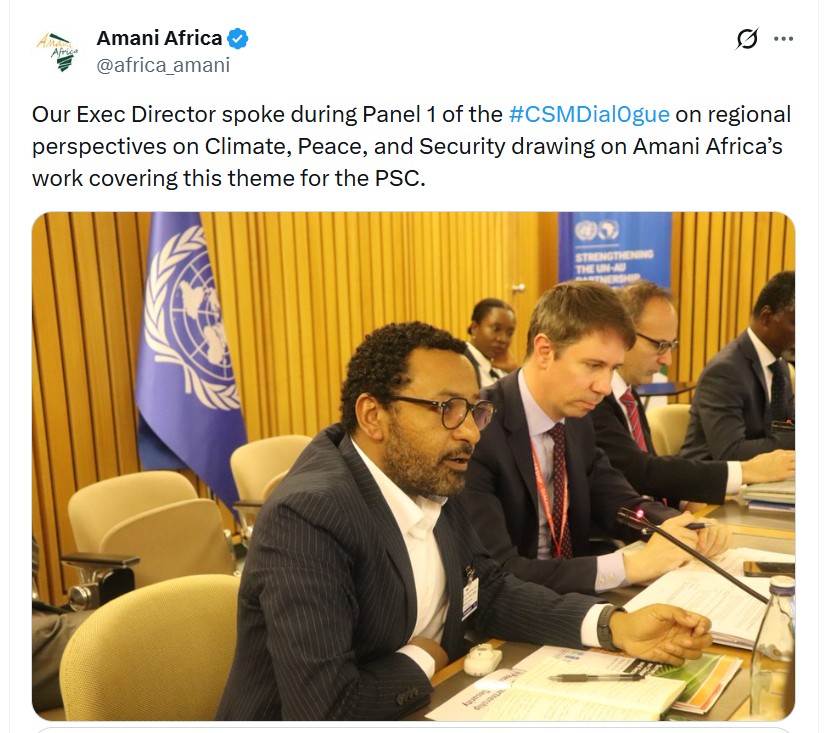
Our work also featured in three high-level side events held during the Africa Climate Summit held on 8-10 September 2025 in Addis Ababa, Ethiopia.
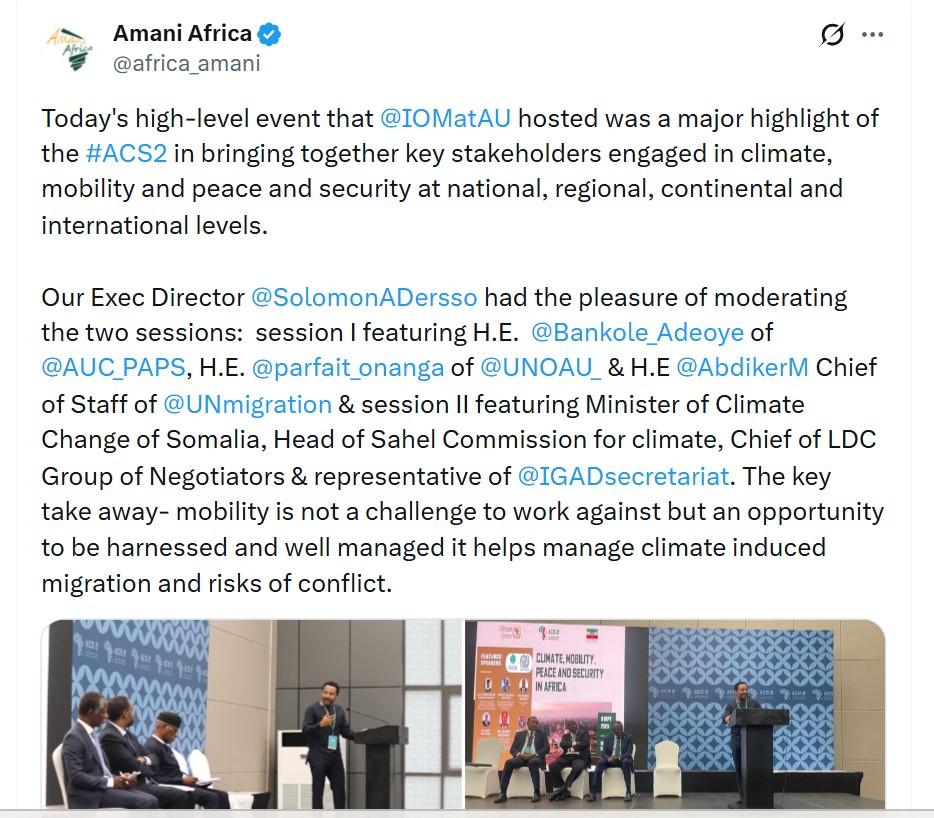
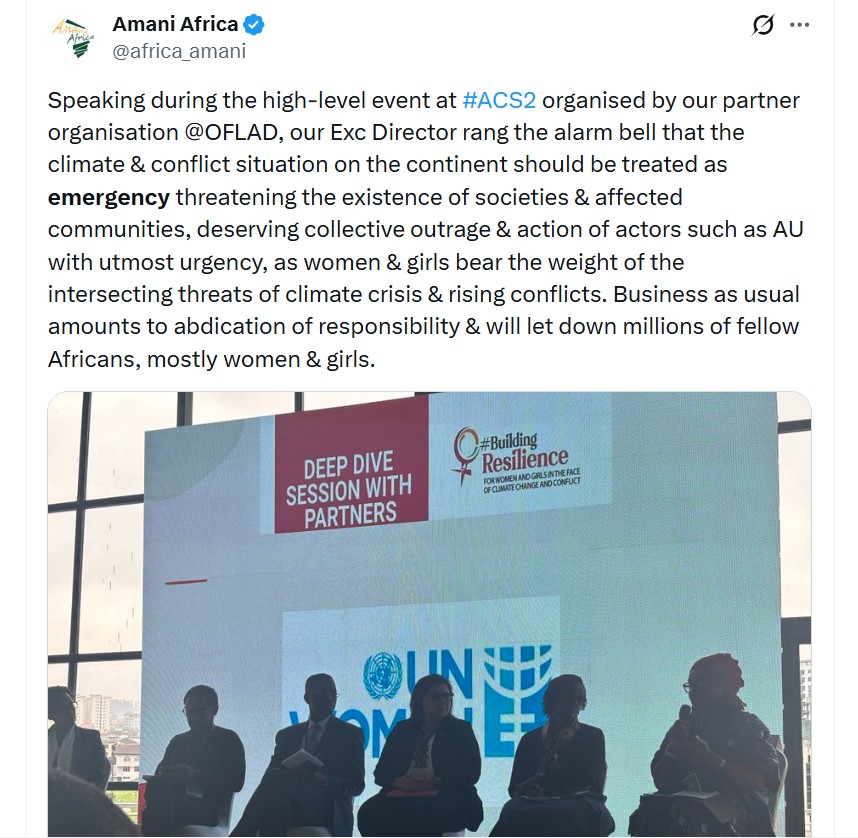
The key occasion for presenting a policy briefing to the AU policy organ was the session of the Peace and Security Council held on 17 September 2025, dedicated to climate change, peace and security.
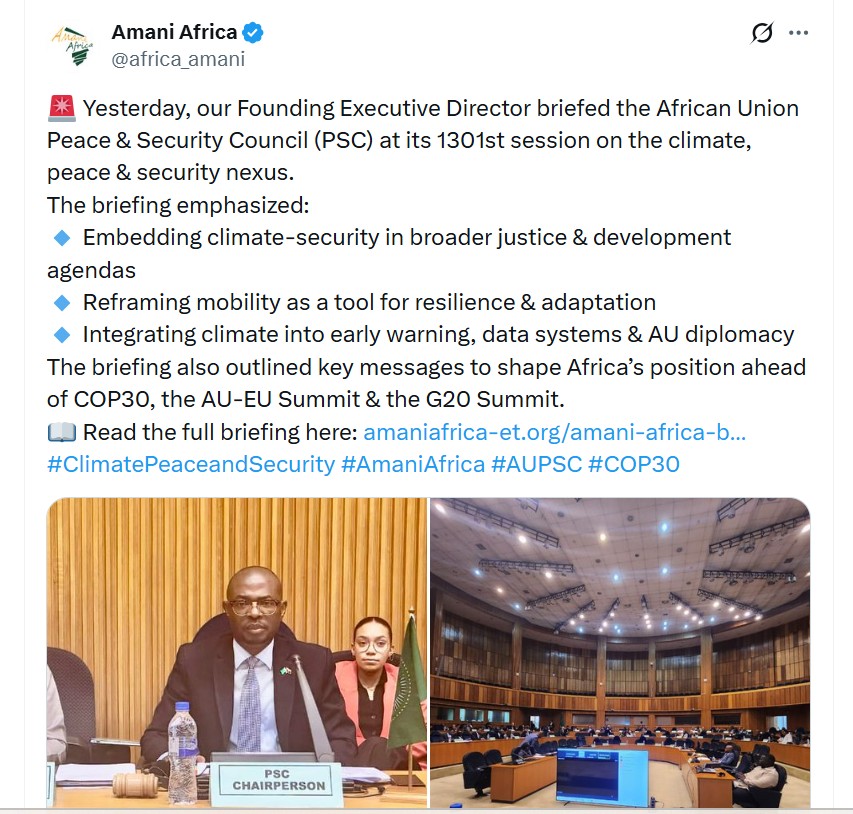
Of particular significance was also our engagement and work with policymakers. This was critical to embed the key policy messages of our work in policy outcomes. Underscoring the need for not separating the peace and security implications of climate change from the climate change policy process with its focus on justice and development, the policy issues raised in our work including the principle of common but differentiated responsibility, the trade impacts of unilateral climate action such as the common border adjustment mechanism, climate finance and just energy transition found their way in the policy outcomes of the PSC’s 1301st session and the AU-EU summit declaration. Our approach to addressing the peace and security implications of climate change as part of and not in isolation from the wider climate change policy process, with its focus on development and justice, has proved useful to building common ground between states with divergent positions on the climate peace and security nexus.
Our technical engagement with policy makers on the negotiation on the AU-EU summit declaration contributed to both leaving out the reference to the selective language of ‘rules based international order’ in the AU draft. When it was brought back after the EU rewrote the AU draft, our engagement was critical to its removal and its replacement with the use of the inclusive formulation of ‘based on international law and the principles and purposes of the UN Charter.’
Emergency session on Israel’s recognition of Somaliland
Emergency session on Israel’s recognition of Somaliland
Date | 06 January 2026
Today (6 January), the African Union (AU) Peace and Security Council will hold a ministerial session on Israel’s recognition of Somaliland as an independent state. The session, not initially envisaged in the Provisional Program of Work of the PSC for January 2026, is convened following a request.
Following opening remarks by Thérèse Kayikwamba Wagner, Minister of Foreign Affairs of the Democratic Republic of the Congo (DRC) and Chairperson of the PSC for January 2026, Mahmoud Ali Youssouf, Chairperson of the AU Commission, is expected to make a statement. Abdisalam Abdi Ali, Minister of Foreign Affairs of the Federal Republic of Somalia, is also expected to deliver a statement as the concerned country. In addition, Abdoulkader Houssein Omar, Minister of Foreign Affairs and International Cooperation of the Republic of Djibouti, is scheduled to make a statement in his capacity as Chair of the Intergovernmental Authority on Development (IGAD), the concerned regional economic community/regional mechanism (REC/RM).
Since its proclamation of independence from Somalia in May 1991, Somaliland, the territory of the northern region of Somalia, has remained without any de jure recognition from any state in the world. This changed at the very end of 2025 with Israel becoming the first state to officially recognise the independence of Somaliland. On 26 December 2026, Israel’s Prime Minister Benjamin Netanyahu announced that Israel and Somaliland had signed a joint declaration establishing full diplomatic relations, describing it as being ‘in the spirit of the Abraham Accords.’ Despite the willingness that Somaliland authorities expressed for joining the Abraham Accords, Israel’s recognition garnered no backing from any other country, even outside of the region.
Despite the enthusiastic reception in Somaliland of Israel’s official recognition as a historic development, Somalia, as the state with de jure authority over Somaliland, released a strong statement rejecting Israel’s decision, calling it an ‘attack on its sovereignty’ and an ‘unlawful action and asserting that the territory remains ‘an integral, inseparable and inalienable’ part of Somalia. Mogadishu was not alone in the rejection of Somaliland’s recognition. Countries in the region and beyond joined Somalia in their rejection of Somaliland’s recognition by Israel. Djibouti expressed its steadfast support for Somalia’s territorial integrity. Other countries, including Egypt, Turkey, and Saudi Arabia, as well as the Arab League and the Organisation of Islamic Cooperation, also expressed strong opposition. Similarly, the European Union reaffirmed, through its spokesperson, ‘the importance of respecting the unity, the sovereignty and the territorial integrity of the Federal Republic of Somalia.’ Meanwhile, the United States did not immediately follow Israel in recognising Somaliland; however, President Donald Trump reportedly stated, ‘Everything is under study… We will study it.’
For Africa and the AU, the issue of Somaliland is not completely new. Following its declaration of ‘republic’ in 2002 and invitation by Somaliland to the AU for undertaking a fact-finding mission, the AU dispatched such a fact-finding mission to Somaliland between 30 April and 4 May 2005, led by former AU Commission Deputy Chairperson, Patrick Mazimhaka. In December 2005, Somaliland submitted its application for membership in the AU. Somaliland’s President Dahir Rayale Kahin met on 16 May 2006 with the then AU Commission Chairperson Alpha Oumar Konare to discuss the matter.
Despite the legal issues that it raises, ordinarily it is not understandably approached as being exclusively a legal matter. Indeed, the legal dimension of Somaliland’s status has at best been approached in general terms through the lens of the AU’s and its predecessor Organisation of African Unity (OAU) principles of respect for the territorial integrity, unity and sovereignty of states, while it has neither been adjudicated in a proper judicial setting nor a legal opinion been given on it. The prevailing wisdom in the OAU/AU at the time and since then has been that this is a matter best considered as essentially being a strategic issue that needs to be handled, having regard to sensitivities around territorial integrity of states, stability and regional peace and security, hence without totally dismissing Somaliland’s quest. During tomorrow’s session, another legal issue, namely the legality of Israel’s decision, may attract attention. However, given that recognition of states under international law is a sovereign matter, much of the focus for member states could be on the strategic implications of Israel’s actions.
This recognition came at a time of major geopolitical rivalry and rising tension along the coast of the Red Sea and Gulf of Eden, involving various regional powers, including, among others, Turkey, Israel, the United Arab Emirates, and Saudi Arabia. Geographically, Somaliland occupies a critical position on the Bab-el-Mandeb Strait at the southern end of the Red Sea. This chokepoint is a vital artery for global commerce and energy shipments – including oil and gas – moving between Asia and Europe via the Suez Canal. In recent years, the attacks by Yemeni Houthis on ships heading to Israel have significantly affected traffic. In exchange for its recognition, Israel is expected to gain a foothold across Yemen’s coast, potentially availing it access to bases or ports for maritime intelligence and security operations on the Red Sea and Gulf of Aden. This may also enable Israel to check on the growing interest of Turkey in Somalia. There are also fears that Somaliland may be used for the resettlement of Palestinians from Gaza.
More generally, Israel’s recognition also broke a longstanding diplomatic understanding internationally that any recognition of Somaliland would follow the lead of Africa and the AU. Additionally, beyond traditional concerns of opening Pandora’s box, there are also concerns, as made apparent by the statement of Somalia, that it may have adverse peace and security implications. It also lacked any regional or international support.
Some of these issues emerged in the statements from the regional grouping IGAD and the AU Commission itself. The IGAD statement, which reaffirmed its commitment to the unity, territorial integrity and sovereignty of Somalia, held that ‘any unilateral recognition runs contrary to the Charter of the United Nations, the Constitutive Act and the Agreement establishing IGAD’ and expressed its commitment to ‘inclusive political processes and regional cooperation in support of lasting peace, stability and prosperity for Somalia and the wider IGAD region.’ In an approach that appears to completely shut any pathway for Somaliland’s recognition, the AU Commission Chairperson, in his statement, rejected ‘firmly’ ‘any initiative or action aimed at recognising Somaliland as an independent entity.’ He warned that such action runs ‘risks setting a dangerous precedent with far-reaching implications for peace and stability across the continent.’
On 29 December, the UN Security Council (UNSC) held an emergency session on Israel’s recognition of Somaliland. During the session, various members of the UNSC and others who, on request, intervened rejected Israel’s action and emphasised the need for respecting the territorial integrity, unity and sovereignty of Somalia. Similarly, the African 3plus members of the UNSC, including Somalia, echoed the statement of the AU Commission. Highlighting the need for addressing the determination of the final status of Somaliland through diplomatic means, in his briefing during the UNSC session, UN Assistant Secretary for the Middle East, Mohamed Khiari, called on ‘Somali stakeholders in peaceful and constructive dialogue, in particular recalling the 2023 Djibouti Communiqué on talks between the Federal Government of Somalia and Somaliland.’
It is generally expected that members of the PSC would echo support for the principle of territorial integrity, unity and sovereignty of states. They may also affirm the need for respecting the position of the AU and regional bodies such as IGAD. It may not also come as a surprise if reference is made to the 2005 AU fact-finding mission and the 2023 Djibouti Communiqué, to which the UN Assistant Secretary for the Middle East made reference during the UNSC session, to underscore the need for addressing the status of Somaliland through diplomatic means, with sensitivity and regard to stability, enhancement of peace and democratic system governance. Given the geopolitical context of the Horn of Africa and the dynamics in the AU, some may also caution that the situation is not instrumentalised by extra-regional actors to settle political scores and fuel division in the region.
At the time of going to press, it remained unclear what form the outcome of the session may take. It is, however, expected that the PSC, drawing on the statement of the AU Commission Chairperson, would reject Israel’s unilateral recognition of Somaliland. It may also welcome the statement of IGAD. The PSC, echoing the AU Commission Chairperson statement, is also expected to reaffirm the territorial integrity, unity and sovereignty of Somalia. It may also urge that all states respect the AU’s constitutive act and the longstanding principle of the territorial integrity of AU member states. The PSC may also state that no situation should be used as a theatre for advancing geopolitical interests of actors outside of the region, and instigate tension and division in Somalia and the region. It may call for constructive dialogue between Somalia and Somaliland, following the December 2023 Djibouti Communiqué.
Sudan At The Zero Point: Why Seventy Years Of Independence Demand New Political Thinking
Sudan At The Zero Point: Why Seventy Years Of Independence Demand New Political Thinking
Date | 02 January 2026
Abdulgadir (Abdul) Mohammed, Former Senior Political Advisor and Head of Office, Sudan Mediation, United Nations
Today marks 70 years since Sudan emerged from colonial rule in 1956 with immense hope: hope for dignity, justice, and a state that would serve its people rather than dominate them.
Seventy years later, Sudan is at war with itself. But it is essential to say this clearly, especially on such a symbolic date: this war does not reflect the character of the Sudanese people.
Anyone who has spent time among Sudanese communities knows this. Sudanese society is marked by generosity, civic solidarity, humor in hardship, and an instinctive care for others. Even during this devastating war, ordinary people have shared what little they have, sheltered strangers, organized neighborhood aid, and protected one another across ethnic, religious, and regional lines. The humanitarian work of the emergency response rooms speaks volumes about the character and spirit of the Sudanese people.
This civic spirit deeply impressed President Thabo Mbeki during his years leading the African Union mediation on Sudan. After travelling widely across the country and engaging communities far beyond negotiating halls, he once remarked: “I hope and pray that one day Sudanese will have a government that is as good as them.”
That hope still matters. It matters because Sudan’s tragedy is not a failure of its people. It is a failure of politics.
Why Zero Point matters for Sudan
I recently read a book called Zero Point by Slavoj Žižek. I did not read it looking for answers about Sudan, and I am not an academic. I am an African political activist and mediator. I read widely because reading sometimes helps me find language for realities that are difficult to name.
Žižek writes about moments when societies reach a point where the old order has already collapsed, yet everyone continues to behave as if it still exists. Governments are recognized, institutions function in name, negotiations continue, and official language remains confident—but none of this connects with lived reality anymore.
He calls this moment a “zero point.”
It is not the end of politics. It is more dangerous than that. It is the moment when the ground under politics gives way, but we keep using the same words, tools, and assumptions as if nothing fundamental has changed. The state exists, but no longer governs.
Sudan officially has a government led by the Sudanese Armed Forces. It is recognized internationally. Ministries exist. Flags fly.
But recognition is not the same as responsibility.
The state does not protect civilians at scale. It barely provides services. It does not organize social life beyond survival and coercion. It offers no shared national vision capable of commanding consent.
On the other side, the Rapid Support Forces (RSF) control large parts of the country. Their leaders claim to be dismantling the unjust “1956 state,” a message that resonates with Sudanese at the peripheries who were excluded for decades. But what exists under RSF control is not reform or governance. It is rule by extreme uncertainty, displacement, and atrocity.
This is not a setback. It is disaster.
Much international engagement with Sudan treats the war as a setback: a failed transition, a power struggle between two generals, a crisis that can be managed with enough pressure and patience.
This is a profound misreading of the destructive nature of the war dynamic and its hostility to political settlement.
Defeat implies recovery. Disaster destroys the conditions of recovery.
In Sudan today, violence is not a breakdown of order—it is the order. Atrocity is not accidental—it is how control is exercised. Fear, hunger, and displacement are tools of power.
Polarization as an instrument of defeat
One of the most destructive features of Sudan’s war is polarization—not as a social by-product, but as a political strategy.
Polarization narrows political space until only existential camps remain. Compromise becomes betrayal. Politics becomes war by other means. Even if guns fall silent, politics cannot resume because trust and shared language have been destroyed.
What Zero Point teaches
The key lesson from Zero Point is this: when societies reach a zero point, repeating old formulas becomes part of the problem. Reformist language, procedural optimism, and technical fixes no longer illuminate reality; they obscure it.
At the zero point, the choice is not between good and bad options. It is between thinking honestly or surrendering to catastrophe.
Mamdani and the slow poison of collapse
This warning resonates deeply with African political thought, especially the work of Mahmood Mamdani and his recent book, Slow Poison.
Mamdani argues that many postcolonial crises are not sudden failures but the result of long-term, incremental damage—the slow hollowing out of political institutions, civic life, and popular sovereignty.
His critique of neoliberal governance is especially relevant. Neoliberalism weakens the state’s social foundations while strengthening its coercive arm. Over time, politics is emptied of meaning, leaving force to fill the vacuum.
Sudan’s collapse fits this pattern.
Beyond Islamism and neoliberalism
Sudan cannot be rebuilt within old ideological binaries. Islamism failed to build inclusive politics. Neoliberalism failed to build a socially rooted state.
New thinking must move beyond both. This does not negate negotiation or the urgency of stopping the war immediately. Ending the war is a moral imperative.
But without new thinking, a ceasefire risks freezing disaster in place.
Seventy years to nowhere—and a chance to begin again.
Seventy years after independence, Sudan stands at a painful crossroads. One could describe this history as seventy years to nowhere—a cycle of militarization, exclusion, and aborted democratic promise.
But Sudan’s people have not failed. They have resisted, organized, and cared for one another. The failure lies in political systems that never rose to their level.
The Sudanese people deserve a government as good as they are.
Politics is still possible—but only if we are willing to think differently and rebuild from the truth.
The content of this article does not represent the views of Amani Africa and reflect only the personal views of the authors who contribute to ‘Ideas Indaba’
Guinea-Bissau, not Benin, the real test of the efficacy of ECOWAS’s response to coups
Guinea-Bissau, not Benin, the real test of the efficacy of ECOWAS’s response to coups
Date | 31 December 2025
Solomon Ayele Dersso, PhD
Founding Director, Amani Africa
As in the previous years, West Africa remains on the lead when it comes to being ground zero for the new era of coups in Africa. During the closing months of 2025, the region experienced a coup orchestrated by an incumbent election losing president in Guinea-Bissau and another attempted coup in Benin.
It was in the early hours of 7 December that a group of soldiers initiated a coup in Cotonou. After seizing the national broadcaster, they announced the dissolution of state institutions, the suspension of the constitution and the creation of the Comité Militaire pour la Refondation, led by Lt-Col Pascal Tigri. Despite this announcement, the putschists did not succeed in either seizing Benin’s president or gaining the full support of the army. Acting on the request of Benin’s President Patrice Talon, a series of regional actions, under the auspices of the Economic Community of West Africa (ECOWAS), culminated in forestalling the consummation of the coup. Nigeria played a lead role, with Nigeria’s President Bola Tinubu dispatching the country’s air force to strike positions held by coup makers. Within the framework of the ECOWAS Standby Force, Nigeria, Cote d’Ivoire, Ghana and Sierra Leone also sent ground troops.
By the end of the day, these swift coercive measures, undertaken in close coordination with and logistical support from French forces, succeeded in foiling the coup attempt. The ECOWAS was hailed (here and here) for the role it played in foiling the attempted coup in Benin. Given the trends in recent years, the regional body’s response to the attempted coup against President Talon is rightly commended, potentially seen as marking a dawn for turning the tide against coups in the region.
Yet, given the timing of the coup in Guinea-Bissau and the attempted coup in Benin, the real test of whether the response of ECOWAS marks a turning point against coups came from Guinea-Bissau rather than Benin. What made the intervention in ECOWAS successful was a unique combination of factors, including the lack of full support from Benin’s army for the putschists, the economic and security interests of Nigeria that were at stake, as well as French logistical and intelligence support.
In Guinea-Bissau, despite the fact that the initial response of ECOWAS echoed its most successful and firm response to the post-electoral crisis in The Gambia in 2017, it was unable to follow through. Ten days before the coup attempt in Benin, after convening the national elections belatedly on 23 November and in a context meant to guarantee his re-election as President, Guinea-Bissau’s incumbent president, Umaro Sissoco Embalo, announced his own overthrow from power through a military coup. As the head of the ECOWAS election observation mission, former Nigerian President Goodluck Jonathan told reporters that what happened in Guinea-Bissau was a ‘ceremonial coup’, suggesting that it was orchestrated by Embalo himself to prevent his electoral loss. Following Embalo’s announcement, on 26 November, a group of army officers announced their seizure of power and suspension of all political institutions. Declaring the establishment of the High Military Command for the Restoration of National Security and Public Order (HMC) as the governing body, it imposed an overnight curfew and halted the electoral process. Highlighting the close coordination of the coup between Embalo and the army, Embalo was allowed to fly out of Guinea-Bissau despite a declaration by the military of the closure of international borders and Embalo’s earlier announcement of being put under house arrest.
The Chairperson of ECOWAS, President Julius Maada Bio of Sierra Leone, convened an extraordinary summit on 27 November. The communiqué that the summit adopted condemned the ‘coup d’etat perpetrated on 26 November.’ Most importantly (and echoing ECOWAS’s earlier actions in Cote d’Ivoire (2010/11) and The Gambia (2016/17), the ECOWAS summit rejected ‘any arrangements that perpetuate an illegal abortion of the democratic process and the subversion of the will of the people of Guinea-Bissau.’ While deciding to suspend Guinea Bissau, ECOWAS demanded that the coup makers ‘respect the will of the people and allow the National Electoral Commission to proceed without delay with the declaration of the results of the elections of 23 November 2025.’ Cognisant of the imperative for swift and high-level engagement, it also mandated ‘the Chair of the (ECOWAS) Authority to lead a high-level Mediation Mission to Guinea Bissau to engage the leaders of the coup’.
Similarly, in an emergency session held on 28 November, the African Union (AU) Peace and Security Council (PSC) decided to suspend Guinea-Bissau. Similar to ECOWAS, the PSC, beyond expressing its strong condemnation and total rejection of the coup, demanded that the military leaders ‘allow the National Electoral Commission to finalise the tabulation and proclamation of the results of the elections as well as accompany the electoral process to the end with the inauguration and assumption of the winner.’
Acting on the decision of the ECOWAS summit, President Bio of Sierra Leone led a delegation to Guinea-Bissau to push for ‘complete restoration of constitutional order.’ As part of the effort to safeguard the electoral process, Nigeria announced that it granted asylum and protection at its Embassy to Fernando Dias da Costa, the presumed winner of the 23 November presidential elections.
The ECOWAS and, by extension, the AU did not follow through on their earlier decisions. Despite the firm and appropriate initial response from both ECOWAS and the PSC, neither was able to follow through on their initial demand nor on the warning from ECOWAS that it reserved the right to use all options ‘including sanctions on all entities deemed culpable of disrupting the electoral and democratic process.’ Thus, when the ECOWAS Authority of Heads of State and Government met in mid-December, ECOWAS changed its approach from seeking the conclusion of the electoral process and safeguarding the will of the people of Guinea-Bissau to a short transition that will culminate in another election. Thus, despite reiterating its earlier decision and noting that the elections held on 23 November were free and fair, ECOWAS called for ‘institution of a short transition to be led by an inclusive government that reflects the political spectrum and society in Guinea Bissau, with a mandate to undertake constitutional, legal, and political reforms and the organization of credible, transparent and inclusive elections.’
What stands out in this decision is not simply that ECOWAS opted for abandoning its earlier demand for ‘respect for the will of the people’ of Guinea-Bissau, but also the regional body’s total silence about the complicity of the former president of Guinea-Bissau in the coup. This also signifies the persistent charge against ECOWAS and the AU that they tend to turn a blind eye to unconstitutional acts of incumbents.
Indeed, ECOWAS, drawing on its experience in securing the outcome of the December 2010 elections in Cote d’Ivoire, including through the use of sanctions, could have resorted to the option of adopting steps towards imposing sanctions, including by leveraging the West African Monetary Union (as it did in Cote d’Ivoire), as part of increasing the cost on the coup makers. Additionally, both ECOWAS and the AU could have initiated a process towards giving recognition of the outcome of the election results, as they did both in respect to Cote d’Ivoire and The Gambia in 2011 and 2017, respectively. Such steps would have slammed shut any route for the military leaders in Guinea-Bissau to entrench their illegal usurpation of power. Indeed, as a show of their seriousness about their zero tolerance for coups, ECOWAS and the AU, as El-Ghassim Wane proposed, could also have launched an investigation into the circumstances leading to the interruption of the electoral process and the attempt to frustrate the will of the people of Guinea-Bissau. The lack of such measures means that Embalo could continue to exploit the situation and the military junta could continue to defy ECOWAS in pursuit of its plans.
Despite the success in foiling the coup, the ECOWAS response in Benin is emblematic of the deeply flawed policy approach that has become characteristic of both the AU and regional bodies like ECOWAS: react to the symptom (coup) while remaining silent to the democratic regressions that underly the coup. Even more poignantly, the coup in Guinea-Bissau reveals that the turn of events in Cotonou does not in any way signify a new dawn in the approach of ECOWAS for turning the tide against coups in the region.