

Update on the political transition and security situation in Guinea-Bissau
Update on the political transition and security situation in Guinea-Bissau
Date | 17 May 2026
Tomorrow (18 May), the African Union (AU) Peace and Security Council (PSC) will convene its 1347th session to receive an update on the political transition and security situation in Guinea-Bissau.
The session will proceed in two segments. In the opening segment, an opening statement will be delivered by Nasir Aminu, Permanent Representative of Nigeria to the AU and Chair of the PSC for May, followed by introductory remarks by Bankole Adeoye, AU Commissioner for Political Affairs, Peace and Security (PAPS). Patrice Émery Trovoada, AU Special Envoy for Guinea-Bissau, is also scheduled to brief the Council, while the representative of the Economic Community of West African States (ECOWAS) is expected to make a statement. Ovídio Manuel Barbosa Pequeno, Special Representative of the Chairperson of the AU Commission to Guinea-Bissau will make presentation during the closed segment.
This will be the second time the PSC meeting on the situation in Guinea-Bissau in less than three months, with the previous meeting having been convened on 5 March during its 1333rd session. At that session, the PSC took note of the adoption of a Transitional Roadmap for the restoration of constitutional order, which provides for a one-year transitional period culminating in elections scheduled for 6 December 2026. In this context, the PSC urged the full, timely, inclusive, and transparent implementation of the roadmap in accordance with the agreed timelines, in order to create the necessary conditions for the successful organisation of credible elections. The PSC also called on the interim authorities in Guinea-Bissau to immediately and unconditionally release Mr Domingos Simões Pereira and all other political detainees, and to respect the fundamental rights and freedoms of all citizens of Guinea-Bissau. In addition, the Council directed the AU Commission to sustain engagement with the transitional authorities, including through the provision of technical support to the National Election Commission, while stressing the importance of an inclusive national dialogue involving all political movements, civil society, women, and youth. Furthermore, the Council also expressed its anticipation for the AU-ECOWAS joint assessment mission and decided to undertake a field mission to the country during the course of 2026.
As noted in our Monthly Digest for March 2026, the PSC’s focus appears to have shifted from the position it adopted at its 1315th session — where the Council specifically urged the military leaders to allow the completion of the electoral process disrupted by the military coup of 26 November 2025 — towards supporting the country’s progression towards the envisaged elections in December 2026. Against this background, tomorrow’s engagement is expected to focus on ways of steering the country towards a timely, inclusive, transparent, and credible electoral process, while also assessing recent political and security developments that have taken place since the Council’s last session in March.
Political repression appears to have worsened following the November 2025 military coup, with conditions for media freedom and civil liberties also deteriorating. Office of the High Commissioner for Human Rights characterises the political environment in the country since the coup as reflecting a ‘progressive reduction in civic and democratic space.’ It has been noted that members of the opposition and human rights defenders have been arbitrarily detained, assaulted, harassed and intimidated, that demonstrations have been dispersed, and that radio stations have been suspended.
Two recent developments in particular underscore this characterisation of worsening political repression and the shrinking of political space, with serious implications for the creation of an enabling environment for the upcoming elections.
The first is the killing of Vigário Luís Balanta, a civil society activist and critic of Guinea-Bissau’s military authorities. His body was found on 31 March 2026 on the outskirts of Bissau, reportedly bearing signs of torture. The killing triggered protests in the capital following his funeral, which were subsequently dispersed by police. Office of the High Commissioner for Human Rights expressed shock at the killing and called for an urgent, thorough, and impartial investigation and for those responsible to be brought to justice through fair trial proceedings. It further reiterated concerns that members of the opposition and human rights defenders have been arbitrarily detained, assaulted, harassed and intimidated, and that demonstrations have been dispersed.
The second concerning development is the reported crackdown on media outlets, particularly radio stations, allegedly linked to issues of licensing fees. The PSC may also wish to follow up on the status of Domingos Simões Pereira, leader of the opposition PAIGC, who was detained following the coup and, although reportedly released in late January, is still said to remain under house arrest.
As the elections are now less than seven months away, robust high-level diplomatic engagement by the AU Commission is imperative to keep the transition on course and ensure the successful completion of the transitional process through the holding of timely elections in a politically conducive environment. While the appointment of a Special Envoy for Guinea-Bissau by the Chairperson of the AU Commission is an encouraging step towards sustaining diplomatic engagement with the country and accompanying it throughout the transition period, this should also be complemented by high-level political engagement, including a mission to the country at the level of the Chairperson of the Commission or the Commissioner for Political Affairs, Peace and Security, aimed at creating conditions conducive to competitive elections. Such engagement would be particularly effective if undertaken jointly with ECOWAS, in order to maximise leverage on the transitional authorities and ensure coherent messaging by both organisations.
Moreover, as highlighted during the PSC’s 1333rd session, there is a need for the AU to provide technical support to strengthen the capacity of institutions relevant to the conduct of credible elections, including the National Electoral Commission and the independence of the Supreme Court, which serves as the ultimate judicial authority overseeing the electoral process in the country. To translate this into concrete action, the PSC may consider requesting the AU Commission to dispatch a technical assessment mission to Guinea-Bissau to evaluate the electoral environment and identify priority support needs.
Another issue of interest to the Council could be ensuring that the upcoming elections are conducted in line with the AU’s anti-coup norms, particularly article 25(4) of the African Charter on Democracy, Elections and Governance (ACDEG), which prohibits perpetrators of unconstitutional changes of government from participating in elections organised to restore constitutional order. This issue is particularly significant in light of the recent trend within the Council of retreating from strict adherence to article 25(4), as reflected in the lifting of sanctions on Gabon and Guinea in 2025 and 2026, respectively, despite elections in both countries conducted in apparent contravention of this provision. The PSC also omitted reference to the provision during its recent sessions on Guinea-Bissau and Madagascar held in March 2025. It is recalled that the AU Chairperson for 2025, Angola’s President João Manuel Gonçalves Lourenço, emphasised during the 39th Ordinary Session of the AU Assembly in February 2026 that the restoration of constitutional order cannot be deemed complete where those who seize power unconstitutionally subsequently organise elections and legitimise their rule through electoral victory. In this regard, it remains important for the Council to stress the continued relevance of this provision and to clearly remind the transitional authorities of their ineligibility to participate in the upcoming elections.
The expected outcome of tomorrow’s session is a communiqué. The PSC may emphasise the importance of creating political conditions conducive to credible elections in Guinea-Bissau, as a prerequisite for the successful completion of the transition process. It may further underline the need to respect fundamental human rights and the rule of law in the country. In this regard, and echoing the Office of the United Nations High Commissioner for Human Rights, the Council may express concern over the deteriorating civic and democratic space following the November 2025 military coup. It may also condemn the brutal killing of civil society activist Vigário Luís Balanta and call for an urgent, thorough, and impartial investigation into the killing, as well as the prosecution of those responsible. The PSC may further reiterate the importance of strengthening electoral institutions and ensuring the independence of the Supreme Court in order to safeguard the integrity of the upcoming December elections. In this context, the Council may request the AU Commission to dispatch a technical assessment mission to evaluate electoral conditions and identify the necessary support needs. While emphasising the imperative of sustained and coordinated diplomatic engagement with the transitional authorities to ensure a successful transition, the PSC may request the Commission to undertake a high-level political mission led by the Chairperson of the Commission or the Commissioner for Political Affairs, Peace and Security, in coordination with ECOWAS. It may also follow up on its previous decision to undertake a field mission by specifying a clear timeline, as well as by establishing an AU monitoring mechanism to effectively track developments in the country.
Operationalisation of the Combined Maritime Task Force (CMTF) in addressing Piracy and other maritime crimes in the Gulf of Guinea (GoG)
Operationalisation of the Combined Maritime Task Force (CMTF) in addressing Piracy and other maritime crimes in the Gulf of Guinea (GoG)
Date | 14 May 2026
Tomorrow (15 May), the African Union (AU) Peace and Security Council (PSC) is scheduled to discuss the Operationalisation of the Combined Maritime Task Force (CMTF) in addressing Piracy and other maritime crimes in the Gulf of Guinea (GoG).
Following opening remarks by Nasir Aminu, Permanent Representative of Nigeria to the AU and Chair of the PSC for May, AU Commissioner for Political Affairs, Peace and Security (PAPS), Bankole Adeoye, is expected to deliver a statement. It is also expected that presentations will be delivered by Moses Vilakati, Commissioner for Agriculture, Rural Development, Blue Economy and Sustainable Environment (ARBE), representative of the Gulf of Guinea Commission (GGC), the Coordinating Commander of the Combined Maritime Task Force (CMTF), and the Representative of the Indian Ocean Commission (IOC). Additionally, representatives of the Economic Community of Central African States (ECCAS) and the Economic Community of West African States (ECOWAS) are expected to deliver statements.
The Gulf of Guinea remains one of Africa’s most strategically significant maritime spaces due to its role in international trade, energy exports, and access to strategic natural resources. Stretching approximately 6,000 kilometres from Senegal to Angola and encompassing 19 coastal states, the region facilitates nearly 90% of the international trade of West and Central African coastal countries. The Gulf also contains substantial oil, gas, and mineral reserves, including cobalt, manganese, bauxite, uranium, tin, and diamonds, which continue to reinforce its economic and geopolitical importance. The increasing strategic value of the region has also intensified both regional and international interest in securing maritime routes and protecting offshore infrastructure.
The PSC’s discussion is expected to take place against the backdrop of important progress in reducing piracy. Since the peak of piracy incidents in the 2010s, the region has recorded a significant decline in attacks. Reported incidents declined from 115 in 2020 to 22 in 2023, 18 in 2024, and 21 in 2025. According to the ICC International Maritime Bureau Piracy Reporting Centre, only one reported theft-at-sea incident was recorded in the first quarter of 2026. This decline reflects the cumulative impact of improved regional coordination, increased naval patrols, international maritime cooperation, and strengthened maritime surveillance mechanisms. Regional frameworks such as the Yaoundé Architecture, combined with national initiatives including Nigeria’s Deep Blue Project, have contributed significantly to enhancing maritime domain awareness and response capabilities.
However, despite these improvements, the PSC is expected to note that the reduction in piracy has not necessarily translated into a fully secure maritime environment. Rather, maritime threats in the Gulf of Guinea have evolved and diversified. Criminal actors are increasingly shifting toward less visible but more sophisticated forms of maritime criminality, including illegal, unreported, and unregulated (IUU) fishing, trafficking of narcotics and arms, fuel smuggling, oil theft, and maritime-linked organised crime networks.
Among these threats, IUU fishing has emerged as one of the most serious and persistent challenges confronting the region. Estimates indicate that between 40% and 65% of fish catches in parts of the Gulf of Guinea may result from illegal fishing activities, with annual regional losses estimated at approximately $2.3 billion. Beyond economic losses, IUU fishing has become an important security concern due to its impact on food security, livelihoods, and social stability within coastal communities. The depletion of fish stocks and declining livelihoods for artisanal fishers contribute to economic desperation and increase vulnerability to criminal recruitment and participation in illicit maritime economies.
The PSC is also likely to consider the growing interconnection between maritime insecurity and wider regional instability. Maritime trafficking routes are increasingly linked to inland conflict economies and armed groups operating across the Sahel. The Gulf of Guinea has become an important corridor for the movement of narcotics, arms, fuel, and other illicit goods connecting Latin America, West Africa, Europe, and the Sahel. In 2022 alone, authorities reportedly seized more than 16,000 kilograms of cocaine in West Africa. The increasing use of ‘dark vessels’ that disable tracking systems further illustrates the growing sophistication of criminal networks operating in the region.
At the same time, the southward spread of violent extremism from the Sahel into northern areas of coastal states such as Benin, Togo, Ghana, and Côte d’Ivoire is increasingly blurring the distinction between inland and maritime security threats. This evolving security environment has contributed to a growing recognition that maritime insecurity in the Gulf of Guinea must be addressed through integrated approaches that combine maritime operations with governance reform, development interventions, and regional security cooperation.
It is within this context that the PSC is considering the implementation of the CMTF in tackling maritime insecurity in the region. The PSC first introduced the need for a maritime task force during its 1012th session held on 23 July 2021, where it called for enhanced cooperation among African littoral states through the establishment of a Maritime Task Force. This political commitment gradually evolved into concrete operational planning through subsequent PSC sessions.
In this regard, during its 1275th session held on 23 April 2025, the PSC formally endorsed the CMTF as a standing and ready-to-deploy maritime force for the Gulf of Guinea, reaffirming its vision of promoting a secure and resilient maritime environment free from transnational organised crime and maritime insecurity. This endorsement marked an important step in transitioning the CMTF from a conceptual initiative into an institutionalised regional maritime security mechanism within the AU peace and security architecture. To this end, the CONOPS explicitly requires formal PSC authorisation to secure broader political, technical, and financial support from the AU, the United Nations, and international partners. Such authorisation is critical not only for providing continental political legitimacy to the Task Force, but also for anchoring it within broader continental frameworks, including the 2050 Africa’s Integrated Maritime Strategy (2050 AIMS), the Lomé Charter, and the ‘Silencing the Guns’ initiative.
Beyond the Gulf of Guinea, the operationalisation of the CMTF is also likely to contribute to broader continental maritime security efforts, particularly the implementation of the Regional Maritime Command Post Exercise within the framework of the African Standby Force (ASF), proposed by the PSC during its 1128th session in December 2022. In this respect, the PSC is expected to follow up on progress toward strengthening the maritime dimension of the ASF through enhanced interoperability, joint operational planning, and coordinated maritime responses. The CMTF could therefore serve not only as a regional security mechanism for the Gulf of Guinea, but also as a pilot framework for strengthening the ASF’s maritime component and advancing AU-led maritime operational readiness more broadly.
While the CMTF is designed as an operational maritime security mechanism, the CONOPS makes clear that its effectiveness will depend fundamentally on sustained political, institutional, and strategic support from the PSC. In this regard, the PSC’s role extends beyond political endorsement to encompass strategic legitimacy, coordination, oversight, and resource mobilisation. It is therefore expected that the PSC’s role in mobilising political will among Member States will be discussed during tomorrow’s session. The CONOPS identifies weak political commitment and inadequate resources as some of the principal limitations undermining the effectiveness of the Yaoundé Architecture. Given the sensitivities surrounding sovereignty and cross-border maritime operations, the PSC remains uniquely positioned to foster trust, sustain collective ownership, and encourage Member States to fulfil operational commitments and force pledges. The Council’s engagement is also expected to be essential in strengthening coordination between the AU, ECOWAS, ECCAS, the Gulf of Guinea Commission, the Interregional Coordination Centre (ICC), CRESMAC, CRESMAO, and national maritime structures to reduce institutional fragmentation and improve interoperability and information-sharing across the region. Regarding this, the PSC may also follow up on its previous decision for the establishment of a Maritime Security Coordination Unit within the AU Commission.
Beyond political coordination, the PSC is also expected to play a decisive role in addressing the structural and operational constraints affecting the implementation of the CMTF. One of the most significant challenges identified in the CONOPS relates to sustainable financing and operational readiness. The successful deployment of the Task Force requires substantial maritime assets, surveillance systems, trained personnel, and logistical infrastructure, all of which necessitate predictable and long-term financing arrangements. In this respect, the PSC’s engagement will be critical in mobilising AU support, encouraging burden-sharing among Member States, and facilitating strategic partnerships with international actors and maritime industry stakeholders. The implementation of the CMTF currently relies heavily on Nigeria’s leadership and logistical support. While this demonstrates important regional leadership, excessive dependence on one state may create sustainability and ownership challenges over the longer term, particularly for smaller coastal states with limited naval and financial capacities.
The Council is also expected to deliberate on creating mechanisms to exercise oversight over legal and normative harmonisation efforts, particularly regarding the implementation of international maritime law, the criminalisation of piracy, judicial cooperation, extradition arrangements, and adherence to human rights standards during operations. This role is particularly important given the persistent legal inconsistencies and weak prosecution mechanisms that continue to undermine maritime security responses in the region. Different states continue to prioritise maritime threats differently depending on their economic interests and national vulnerabilities. While oil theft and attacks on offshore infrastructure remain major concerns for some countries, smaller coastal states may prioritise IUU fishing and coastal criminality. Additionally, the PSC is likely to discuss how it can play a broader strategic oversight role through regular monitoring, reporting, and evaluation of the CMTF’s implementation progress and operational effectiveness.
Another important element in the CONOPS that is expected to be featured in the discussions is the importance of integrating maritime security into continental peace and security priorities by addressing longstanding ‘sea blindness’ within African security frameworks. In this regard, the PSC’s engagement will be important in elevating maritime security within the AU agenda and linking it to broader continental priorities such as the African Continental Free Trade Area (AfCFTA) and Africa’s blue economy strategy.
Tomorrow’s session is also expected to assess recent developments toward operationalising the CMTF. During the 6th Meeting of the ECOWAS Sub-Committee of Chiefs of Naval Staff held in February 2026, Nigeria announced practical measures to support the launch of the Task Force, including the provision of three ships, one helicopter, eight vehicles, and temporary office facilities for the headquarters in Lagos. Earlier, during its 67th Ordinary Session held in June 2025, the ECOWAS Authority of Heads of State and Government formally endorsed Nigeria’s offer to host the headquarters of the CMTF. Additionally, six countries, Côte d’Ivoire, The Gambia, Ghana, Liberia, Nigeria, and Sierra Leone, confirmed readiness to participate in the ceremonial flag-off of the CMTF scheduled for 31 May to 1 June 2026 in Lagos. The PSC is likely to consider these developments as important steps toward transitioning the CMTF from a conceptual framework into an operational regional maritime security mechanism.
Beyond the discussion on the CMTF, the PSC may also emphasise in its discussion that sustainable maritime security cannot rely exclusively on military deterrence and naval deployments. Maritime criminality in the Gulf of Guinea remains deeply linked to broader socio-economic and governance conditions, including poverty, unemployment, environmental degradation, weak institutions, and limited economic opportunities within coastal communities. Consequently, long-term maritime stability will require integrated approaches that combine security operations with governance reform, economic development, institutional strengthening, and community resilience initiatives.
The outcome of the session is expected to be a communiqué. The PSC may reiterate the need to strengthen coordination between the CMTF and existing regional maritime mechanisms, particularly the Yaoundé Architecture and maritime coordination centres, to improve intelligence-sharing and operational responsiveness. The Council may also encourage continued political and financial support from the Gulf of Guinea states for the operationalisation of the Task Force and request the AU Commission to expedite the establishment of the Maritime Security Coordination Unit. Additionally, the PSC may call for the development of sustainable financing arrangements, harmonised legal frameworks, and enhanced burden-sharing mechanisms to ensure the long-term effectiveness and collective ownership of the CMTF. Finally, the Council may emphasise that durable maritime security in the Gulf of Guinea requires balancing operational responses with investments in governance, development, environmental sustainability, and coastal community resilience.
Update on the Operationalisation of the African Standby Force (ASF)
Update on the Operationalisation of the African Standby Force (ASF)
Date | 14 May 2026
Tomorrow (15 May), the African Union (AU) Peace and Security Council (PSC) will convene its 1346th meeting to receive an ‘Update on the Status of the Operationalisation of the African Standby Force (ASF).’
Following the opening remarks from Nasir Aminu, Permanent Representative of Nigeria to the AU and Chairperson of the PSC for May, Bankole Adeoye, Commissioner for Political Affairs, Peace and Security (PAPS), is expected to present the progress made in the operationalisation of the Force.
The last time the PSC discussed this theme was during its 1257th session held on 30 January 2025, in which, it provided an opportunity for the PSC to assess the status of ASF’s readiness, key challenges to ASF’s operationalisation, and the ongoing strategic review process aimed at enhancing its effectiveness as Africa’s primary mechanism for peace support operations (PSOs), and the integration of International Humanitarian and Human Rights Law (IHL and IHRL) into the ASF doctrine.
In tomorrow’s session, two recent developments are expected to feature. The first is the adoption of the Memorandum of Understanding between the AU and the Regional Economic Communities and the Regional Mechanisms (RECs/RMs) on the Use of the ASF, during the 39th Ordinary Session of the Assembly of the Union, held in February 2026. The Assembly directed the AU Commission to expedite its signing and its operationalisation, which is scheduled to take place in June 2026 on the margins of the AU Mid-Year Coordination meeting to be held in Egypt. The second development is the endorsement of completion of the ASF Strategic Review by the same Assembly session, which further tasked the AU Commission to ‘expedite the implementation of its recommendations, with emphasis on readiness, interoperability, and sustainable financing mechanisms.’ It is to be recalled that during Council’s 1159th meeting held at the ministerial level on 22 June 2023, it requested the AU Commission, among other things, to expedite ‘the strategic review of the ASF in order to align it with contemporary security challenges facing the continent’ drawing on Conclusions of the Inaugural Lessons Learned Forum on AU Peace Support Operations and the ASF that was held in November 2022, in Abuja, Nigeria. Despite the Assembly decision indicating the completion of the review, the outcomes of the process were expected to be tabled before the PSC and the Specialized Technical Committee on Defence, Safety and Security (STCDSS) in early 2026, as agreed during the second Lessons Learned Forum on AU PSOs and the ASF held in November 2025, unless the review process was concluded without prior presentation to the PSC and the STCDSS.
Meanwhile, a recent PSC meeting, 1341st meeting, held on 27 April 2026 on ‘Peace Support Operations in Africa,’ saw the Council, among other things, calling for the need for ‘regular strategic reviews of AU PSOs, drawing on lessons learned to inform necessary adjustments to the PSO framework, in line with the outcomes of the Abuja Lessons Learned Forum on PSOs and the ASF,’ and called for systematic follow-up and integration of the outcomes of the Abuja Forum into ongoing AGA-APSA and PSO reform processes. The same meeting also saw the PSC calling for the need to ‘improve rapid deployment capacity, force readiness (training and equipment for ASF battalions), and key enablers (aviation, Intelligence, Surveillance and Reconnaissance – ISR, engineering, medical, and mobility).’
It is also anticipated that, during tomorrow’s session, the Commission will provide updates on its consultations with key stakeholders as part of the ASF strategic review process, amid its full operationalisation. A major impediment to the operationalisation of the Force has been the lack of political consensus and institutional alignment between the AU and RECs/RMs. The adoption of the MoU during the 15th STCDSS in May 2023 clarified roles and responsibilities in planning, deployment, and post-deployment stages, as well as political sensitivities. However, competing regional interests continue to hinder coordination. Differences over authority, particularly between the AU and RECs, have complicated decision-making and affected the ASF’s readiness across regions. While ECOWAS, SADC and EASF have made notable progress, other regions continue to face challenges related to resources, coordination, and harmonisation. The PSC during its 1341st session called for the need to ensure ‘multidimensional strategic management at the AU and within the Planning Elements (PLANELMs) of the RECs/RMs.’ This arises from previous consultations between the AU Commission and the five ASF PLANELMs, including the first phase, held from 2 to 4 December 2024 in Algiers, Algeria, involving a Technical Consultative Meeting and dedicated consultations between the ASF RECs/RMs PLANELMs and TCEs/Tis, to strengthen coordination and harmonise decision-making in line with the principles of subsidiarity, complementarity, and comparative advantage.
Logistical and operational readiness also remain significant obstacles to the ASF’s effectiveness. Although the establishment of the Continental Logistics Base in Douala, Cameroon, in 2018 marked important progress, the incomplete development of Regional Logistics Depots and inadequate strategic airlift capabilities continue to constrain rapid deployment. The PSC’s 1159th session, therefore, called on the AU Commission to expedite assessments and agreements related to pledged strategic lift assets to support troop deployment, reinforcement, casualty evacuation, and logistics supply. Maritime readiness also requires further investment despite ongoing preparations for the ASF’s first maritime exercise. Tomorrow’s sessions will also provide the opportunity to advance discussions on the council’s previous decision at its 1159th meeting on the ‘need for a maritime component within the ASF, among others, to facilitate maritime trade and ultimately the implementation of the African Continental Free Trade Area.’ At the same time, the ASF’s potential role in counter-terrorism has gained strategic importance amid growing insecurity in the Sahel, the Horn of Africa, and other regions. The proposed establishment of a counter-terrorism unit within the ASF, first endorsed during the PSC’s 960th session in October 2020, remains a key priority for enhancing the ASF’s response to asymmetric threats.
Despite these challenges, the ASF framework continues to offer significant opportunities for strengthening Africa’s peace and security architecture through standardised training, improved interoperability, and enhanced institutional resilience. ASF-led training programmes have contributed to a shared understanding of operational procedures, while integrating regional and ad hoc peace support initiatives into the ASF framework could optimise collective security efforts. In this vein, from 1 to 5 December 2025, the 17th African Standby Force Training Implementation Workshop (TIW) took place in Harare, Zimbabwe, under the theme, ‘Enhancing Efficiency in Mandate Implementation: Reassessing Capacity Needs Assessments.’ The workshop brought together stakeholders to review progress and challenges in implementing the ASF Training Directives (2024–2026) and the recommendations from the 16th TIW, while emphasising the importance of Training Needs Assessment (TNA) as a key instrument for aligning training with PSOs’ mandate requirements and strengthening operational effectiveness. Among others, the discussions also focused on enhancing strategic analysis, promoting collaboration, and harmonising training efforts among the AU, RECs/RMs, PSOs, training centres, and partners through the exchange of best practices and lessons learned.
Conversely, the ASF strategic review process has been slowed by funding gaps, with recent consultations focusing on legal and policy frameworks, operational challenges, financing, and capacity enhancement. Finally, the ASF’s effectiveness in addressing terrorism, violent extremism, and other complex threats depends on sustained political commitment, strategic investment, and the resolution of institutional ambiguities between the AU and RECs. The PSC’s directive to integrate ASF principles into all AU PSOs and align the ASF concept with the AU doctrine on PSOs represents an important step toward institutionalising the framework and ensuring that the ASF remains a practical mechanism for advancing African-led peace and security.
The expected outcome of tomorrow’s session could be a communique or a summary record. Council may call for enhanced collaboration and coordination between the Planning Elements (PLANELMs) of the RECs/RMs and the Continental PLANEL, to facilitate harmonisation of decision-making on the deployment of the ASF based on the principles of subsidiarity, complementarity and comparative advantages. Council may further underscore the need for a maritime component within the ASF, among others, to facilitate maritime trade and ultimately the implementation of the African Continental Free Trade Area. Regarding funding, Council may highlight the importance of intensifying efforts to address the perennial challenge of unpredictable, inadequate and unsustainable funding for AU peace and security efforts, including the commitment by Member States to make contributions to the AU Peace Fund according to the approved scales of assessment.
Impact profile: Amani Africa worked with Kenya on the Africa-France Summit
Impact profile: Amani Africa worked with Kenya on the Africa-France Summit
Date | 13 May 2026
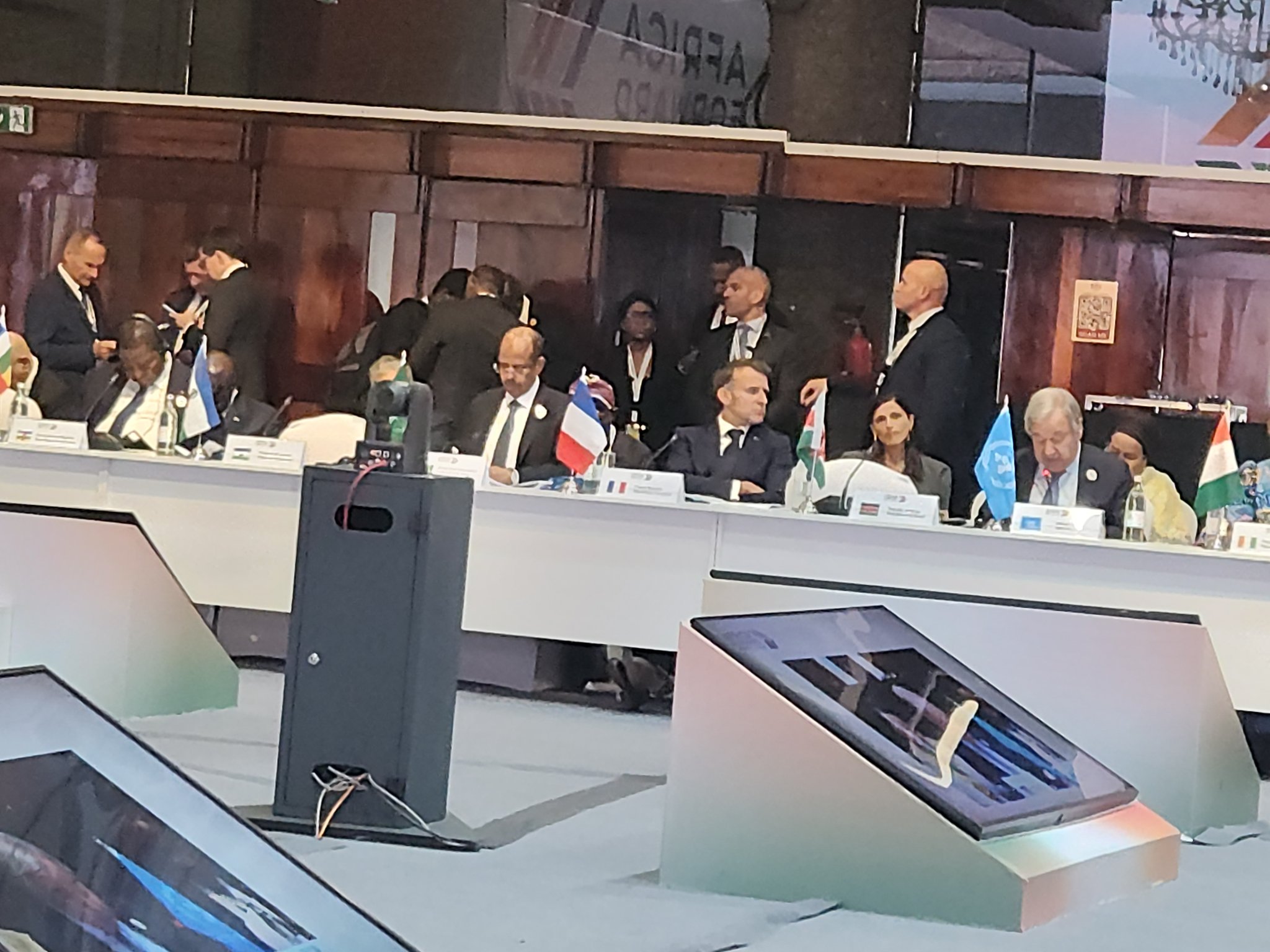
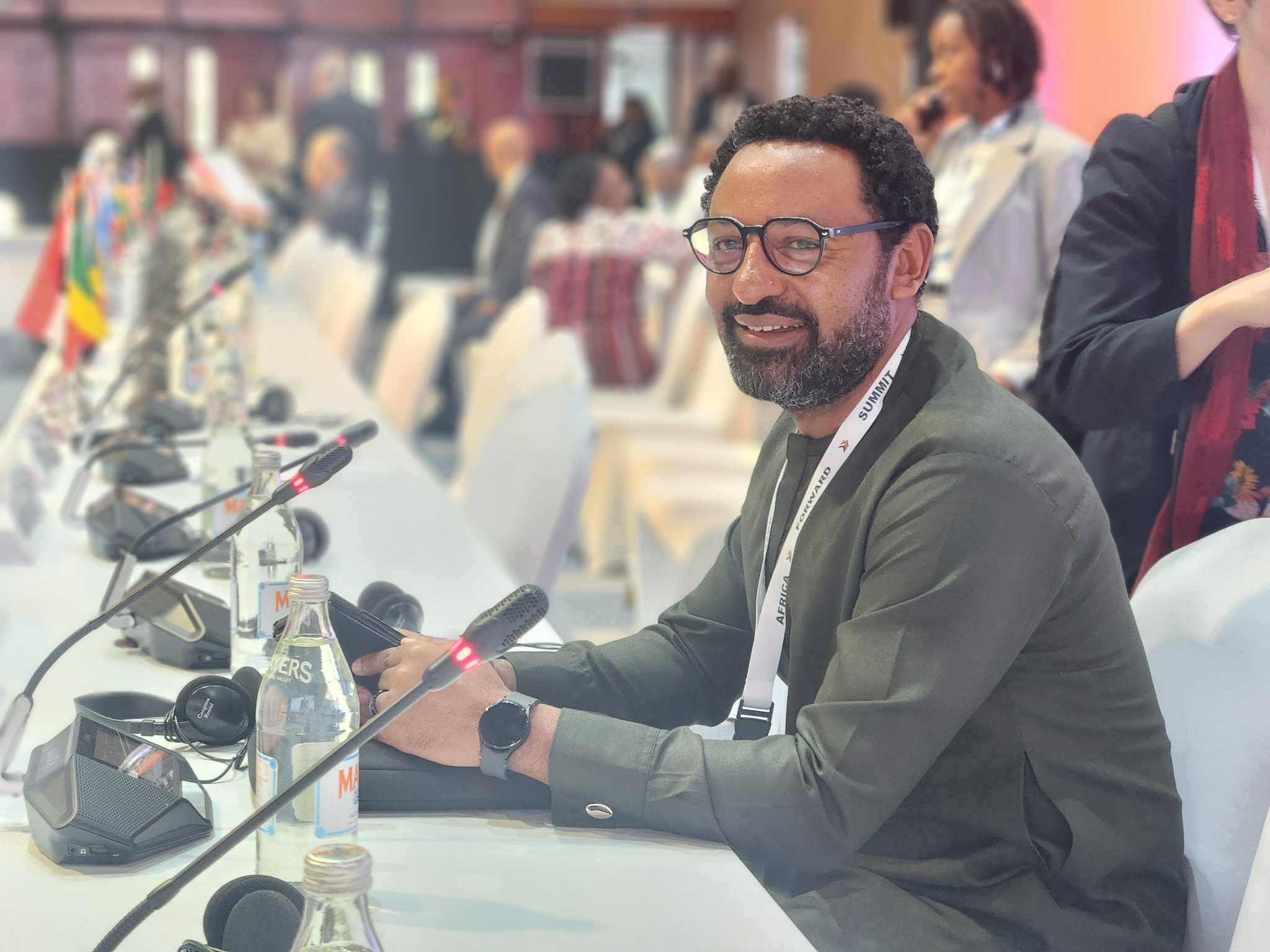
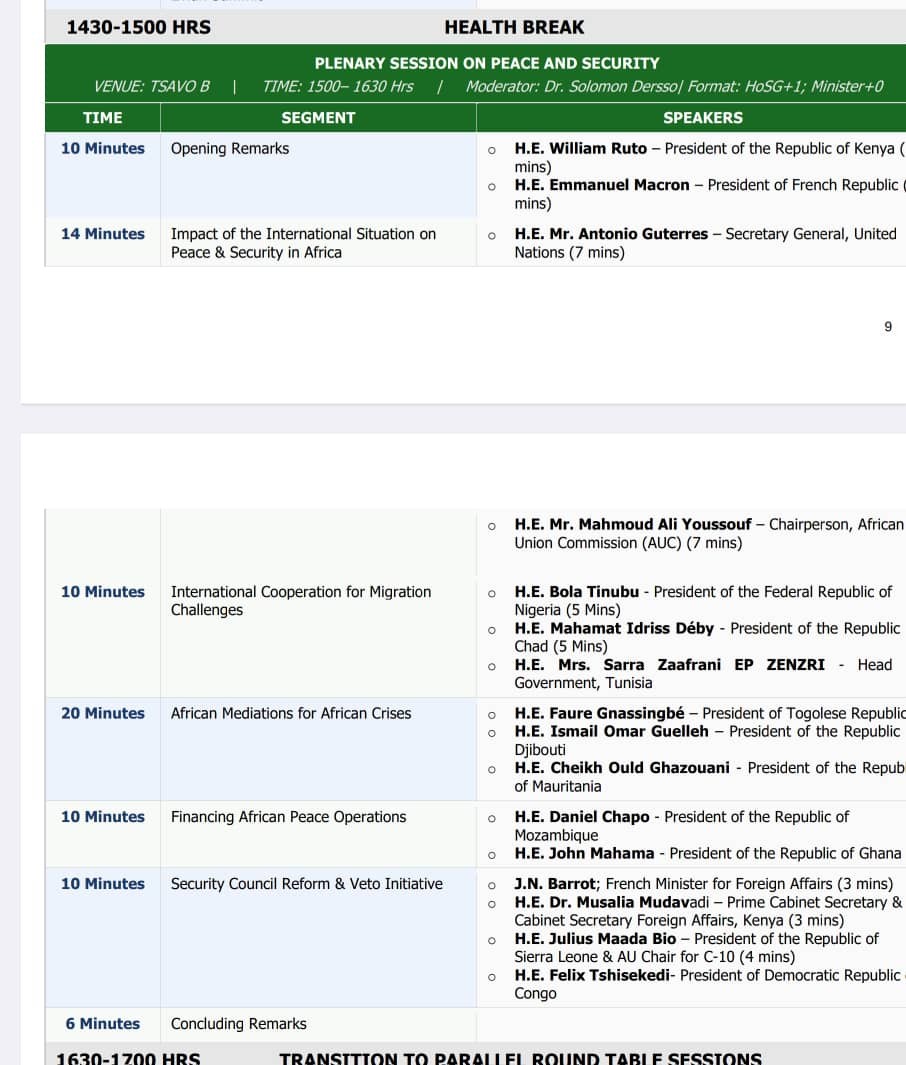
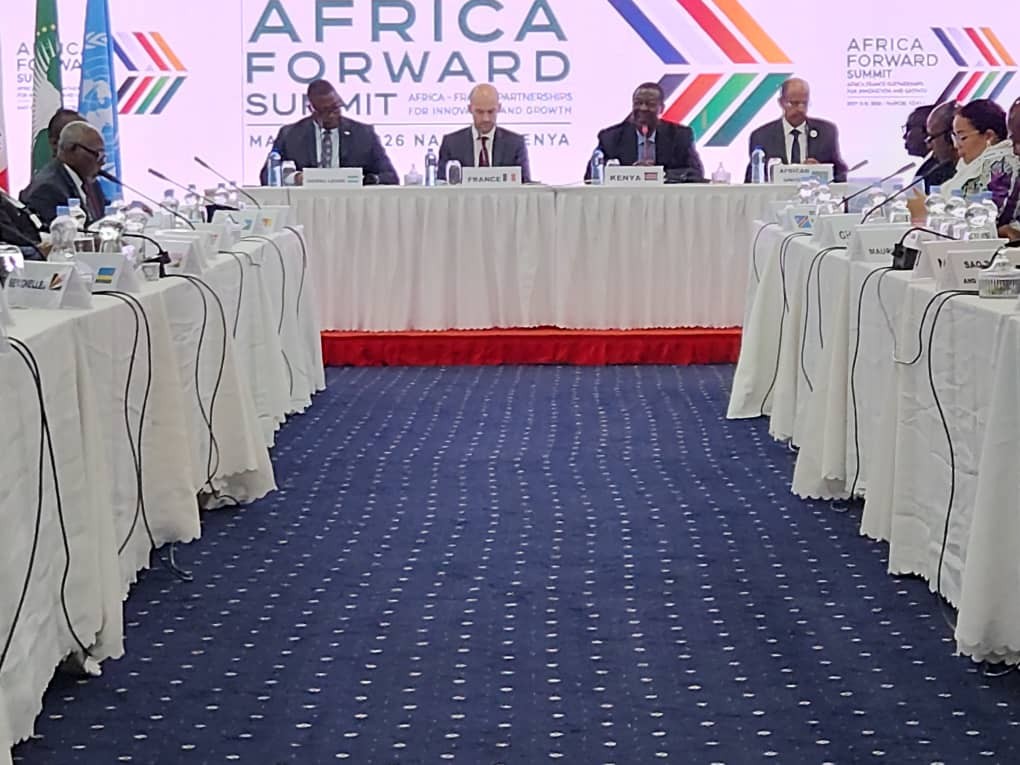
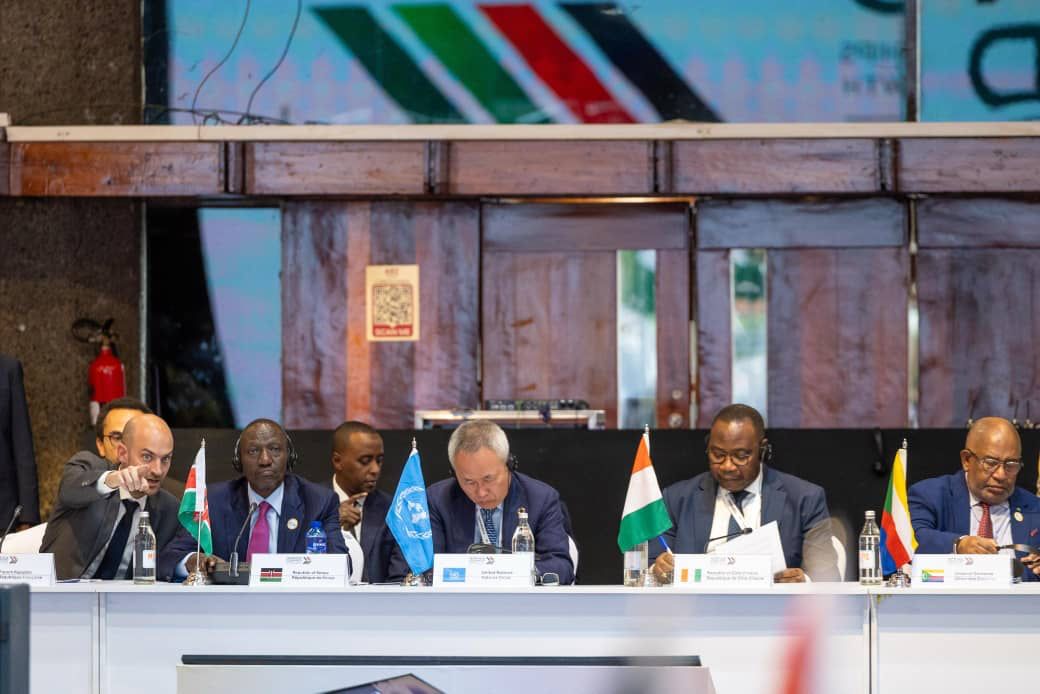
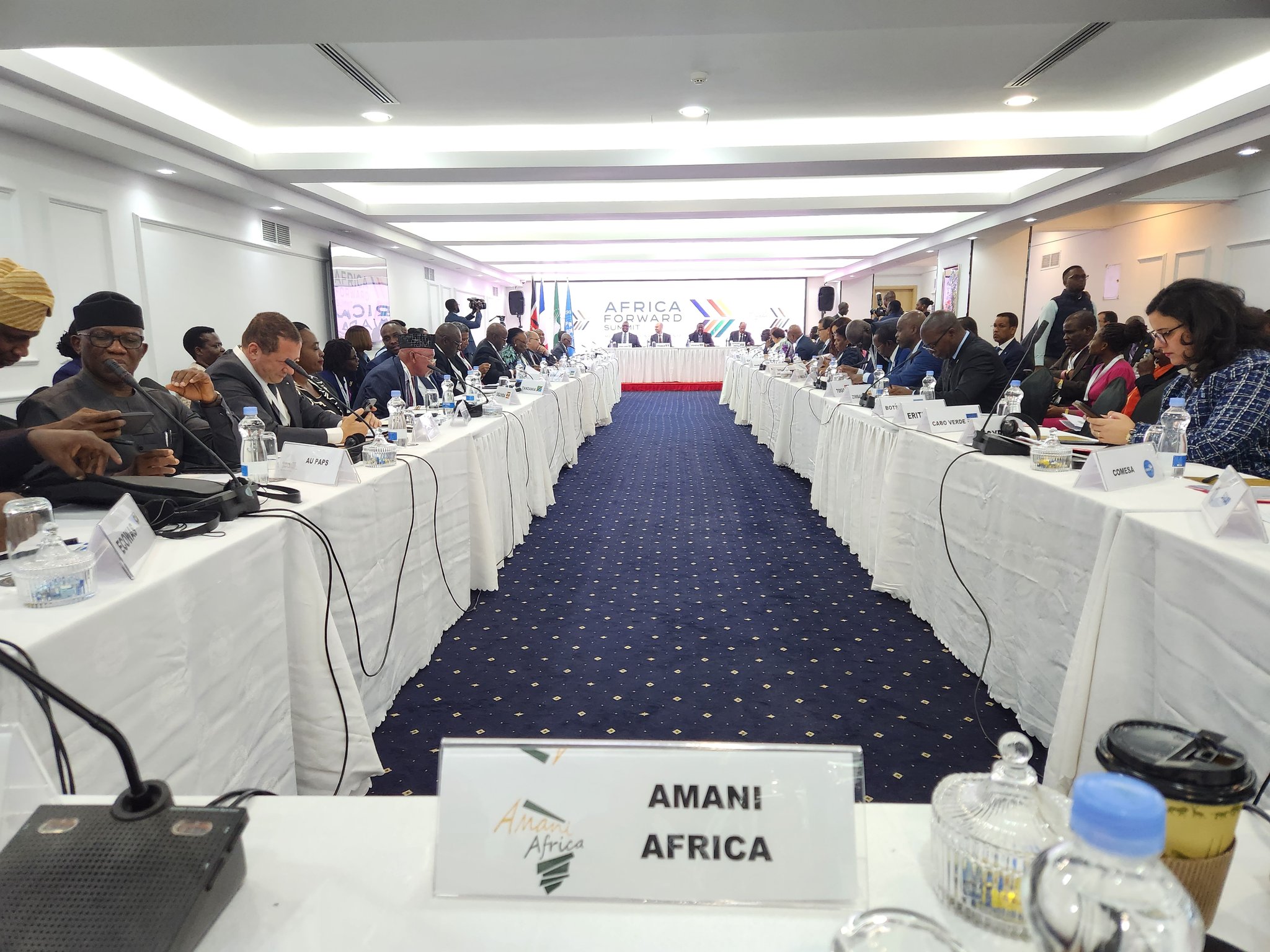
Peace and security were a central theme of the Africa-France summit, which concluded in Nairobi, Kenya, on May 12, 2026, with the adoption of the summit declaration. Amani Africa Media and Research Services worked with the Republic of Kenya, the summit host, providing technical support. Amani Africa’s engagement with Kenya took two forms: first, content contributions towards the framing of the concept note of the Ministerial Session and second, serving as a moderator of the Heads of State and Government plenary session of the summit on peace and security.
Ahead of the Heads of States and Government session, a ministerial meeting on UN Security Council Reform and the use of veto was held on May 11, 2026. Drawing on our work on UN Security Council Reform, we provided substantive input that helped shape the ministerial session’s concept note; this input included:
- Foregrounding the imperative for comprehensive reform of the UNSC as demanded by the African Common Position in the Ezulwini consensus;
- Highlighting how the renewed push of Africa in recent years for progress in the UNSC reform process, including the presentation of the African Model on UNSC reform in April 2026, catalysed heightened levels of engagement by a large number of UN member states in the reform process;
- Identifying how as part of the comprehensive reform restraint on and accountability for the use of veto coheres with the Ezulwini Consensus as expounded by the Report of the Joint Namibia-Amani Africa High-level Panel of Experts on Africa and the Reform of the Multilateral System
Amani Africa also participated directly in the Heads of State and Government plenary on peace and security on May 12, 2026, with our founding Executive Director serving as the session moderator. The outcome of both the ministerial meeting and the Heads of State and Government plenary session on peace and security formed part of the final declaration of the summit.
Amani Africa expresses its sincere appreciation to the Government of Kenya for involving us in shaping and supporting the summit session and its outcome.
Africa’s irreducible minimums for a renewed ‘partnership’ with France founded on a Sovereign Future
Africa’s irreducible minimums for a renewed ‘partnership’ with France founded on a Sovereign Future
Date | 12 May 2026
By Fadhel Kaboub and Joab Okanda
In a manoeuvre dripping with historical irony and geopolitical desperation, French President Emmanuel Macron is set to land in Nairobi on May 11. He will be in Kenya to co-host the “Africa Forward Summit: Africa-France Partnership for Innovation and Growth.” To the uninitiated, the title suggests a progressive leap into a shared future.
However, to those who have watched the sun set on Françafrique in the West, the subtext is clear: having been unceremoniously evicted from its traditional ‘stomping grounds’ in the Sahel, Paris is pitching its tent in East Africa, hunting for new deals to cover the haemorrhaging fortunes of a dying empire. Ahead of his arrival — incidentally on the Ides of March — three French warships docked at the port of Mombasa, carrying with them over 800 military personnel. They were riding on the wave of newfound defence cooperation between the governments of Kenya and France. Through this pact, France now has a new hunting ground in East Africa, complete with boots on the ground, sea and air. Kenya’s 142,400 Square Kilometres of Exclusive Economic Zone in the Indian Ocean, reputed for riches in fish, oil and gas, is in for a rude shock.
The irony is almost pathological. For over a century, France treated West Africa as a private warehouse. It did not merely colonize; it plundered, looted, and systematically attempted to dismantle the resilient African civilizations that predated its arrival. Its ‘assimilation’ policy remains the most abhorrent, ignoble of colonial concepts; a cultural and political mis-philosophy designed to supplant African languages, customs, and identities with French surrogates.
When other colonial powers were loosening—however reluctantly— their grip, France was tightening its hold through a web of lopsided financial and military pacts.
With the rising tide of political ‘wokeness’ across the continent, however, France now finds itself sorely ostracized, and endangered. Yet, rather than offering atonement, the French leadership has chosen to grandstand. The mask slipped definitively earlier this year when Macron, frustrated by the anti-French revolts sweeping through former colonies, dropped the pretence of diplomacy. ‘I think someone forgot to say thank you,’ he remarked, with the chilling entitlement of a landlord demanding gratitude for a house he broke into.
Fast forward five months, and this same ‘savior’ is now knocking on East Africa’s door, hat in hand, seeking a ‘new partnership built on equal ground.’
The sudden pivot is driven by a cold reality: France’s ‘green’ future is powered by African minerals. While the lights of Paris stayed bright on the back of Niger’s uranium, Africa remained in the dark.
But as the Nairobi summit approaches, Africa must move beyond being a passive host. If Macron and his European contemporaries truly seek a partnership of equals, they must meet a set of non-negotiable demands that protect African interests, specifically within the environment and energy sectors.
First, a mandate for local beneficiation and value addition. Africa will no longer be a mere pit stop for raw material extraction. The Nairobi summit must establish a framework where no critical mineral—lithium, cobalt, or uranium—leaves the continent in its raw state.
Africans must demand that French and European companies invest in local processing plants and refineries. If the ‘Green Transition’ requires African minerals, then the ‘Green Industrialization’ must happen on African soil, creating African jobs and keeping the value chain within our borders.
Second, total transformation of the financial architecture and the CFA Franc. For a nation that has enforced financial slavery through the CFA Franc since 1945, Macron’s talk of “financial reform” must be met with scepticism. Africa must demand the total dismantling of the colonial financial umbilical cord. Africa requires a global financial system that does not penalize African nations with ‘sovereign risk’ premiums that make green energy projects three times more expensive here than in Europe. It must demand the unconditional return of foreign currency reserves held in Paris and a shift toward independent, African-led monetary policies.
Third, energy sovereignty over ‘green exportation’. France proposes to ‘decarbonize’ Africa, yet many of our nations have barely “carbonized” to begin with. African ‘partners’ must demand energy justice. This means the right to achieve universal electrification. Africa must reject a ‘Green Deal’ that forces Africa to export its renewable energy (like green hydrogen) to Europe while her own hospitals and schools remain off the grid.
African energy needs must be met first; exports to Europe come second.
Fourth, technology transfer, not just licensing. True innovation is not found in buying French software; it is found in owning the source code. The Nairobi summit must secure commitments for the unconditional transfer of green technologies. Africa should not be a ‘market’ for European patents; it must be a co-owner of the intellectual property that will define the 21st century.
Fifth, climate reparations and debt cancellation. Already, France is active in ‘debt-for-development’ swaps. Africa must demand that these are not treated as ‘gifts’ but as partial down-payments on a century of ecological and economic debt. Africa should also insist on total cancellation of debts that were accrued through colonial-era structures. Climate finance must be provided as grants, not loans that further burden Africa’s children for a climate crisis they did not create.
Sixth, accountability for multinational conglomerates. Total Energies, Orano, and Eramet – over 60 CEO’s from French corporations at the summit – must answer tough questions at the summit. They ought to answer for their extractive interests that have historically disadvantaged the continent. Across Africa, communities have borne the environmental, social, and economic costs of such operations, with countries like Mozambique offering stark reminders of the consequences.
The companies must agree to be held to African environmental standards, not just French ones, and a legal framework that allows communities to sue French corporations in both African and French courts for environmental degradation and human rights abuses.
There can be no ‘partnership’ where companies operate with impunity in the Global South while preaching ‘ESG’ values in the North.
Seventh, an end to paternalistic ‘security’ pacts. Finally, Africa demands an end to the ‘policing’ of the continent. True peace and security come from economic dignity, not from the 60+ military interventions France has conducted since 1960 to protect its interests. Africa must demand the closure of foreign military bases that serve extractive interests and a shift toward supporting African-led, autonomous security architectures. If partnership means equality, then reciprocity is simple – every French soldier granted access and immunity in Africa should be matched by an African soldier with the same rights in France, and every square metre of African soil used by French armed forces in Africa should be matched by an equal measure of French territory granted to African armed forces.
The ‘New Scramble’ is couched in the language of ‘climate resilience’ and ‘debt-for-development swaps.’ But beneath these green platitudes lie a hidden quest: to re-establish unfettered access to Africa’s critical minerals.
Africa must stay circumspect. The convergence of military signalling and corporate presence must worry all countries participating in Nairobi. They must watch out for unequal relationships under new language.
The ‘disinherited’ continent has found its voice. Africa is no longer interested in being a marginal chapter in a European story, not even with a thousand summits. If President Macron wants a ‘thank you,’ he should start by returning what was stolen from Africa and respecting the sovereignty he so arrogantly claimed to have authored. The era of the ‘political orchestra’ directed from Paris is over. The music has changed, and Africa is finally playing its own tune.
Fadhel Kaboub is Associate Professor of Economics at Denison University, President of the Global Institute for Sustainable Prosperity, a member of the United Nations High-Level Advisory Board on Economic and Social Affairs at UN-DESA, and author of Global South Perspectives on Substack.
Joab Okanda is a Kenyan author and climate, energy, and development expert with extensive experience in research, policy, and advocacy at regional, continental and global levels. He is a Pan-African voice on just transition, climate and economic Justice, with a strong commitment to advancing just and equitable systems across Africa.
Fifteen Years of the Women, Peace and Security Agenda at the AU Peace and Security Council
Fifteen Years of the Women, Peace and Security Agenda at the AU Peace and Security Council
Date | 8 May 2026
INTRODUCTION
Against the background of the persistence and escalation of threats to physical & social security of women and girls amid escalating and persisting conflicts, shrinking civic space, and the marginalisation of women from peace processes in various settings on the continent, this special research report examines the Peace and Security Council’s (PSC) fifteen-year engagement with the WPS agenda, assessing both progress achieved and enduring gaps. It situates PSC deliberations within Africa’s evolving conflict dynamics and evaluates the extent to which normative advances have translated into operational impact across conflict prevention, mediation, peace support operations, and accountability mechanisms. The report argues that renewed political will, institutional coherence, and sustained resourcing are essential to ensure that the WPS agenda functions not only as a set of principles, but as a strategic tool for addressing Africa’s contemporary peace and security challenges.